An Intentional Walk Is a Trade, Not a Surrender
The intentional walk is one of baseball’s most debated strategic choices because it looks simple and feels dramatic. The defense gives a batter first base on purpose, usually to avoid a dangerous matchup, set up a force play, or reach a hitter the manager prefers. But the decision is never free. It adds a runner, increases pressure on the pitcher, changes the inning’s shape, and can make one mistake far more expensive. A smart intentional walk is not fear. It is a calculated trade between the batter in front of you and the situation that follows. The danger comes when the trade is made from panic, reputation, or habit instead of game context.
The Open Base Changes the Conversation
An open base makes the intentional walk possible without immediately forcing in a run. That does not make the move correct, but it gives the manager room to consider a trade. The defense can decide whether the current hitter is more dangerous than the extra runner.
The value of the open base depends on where it is. First base open with a runner on second is different from first base open with runners on second and third. The walk can set up a force, create a double-play chance, or load the bases with almost no margin left.
Managers should treat the open base as permission to think, not permission to walk. The next hitter, pitcher, outs, and score still have to support the decision.
Matchup Quality Is the Main Argument
The most common reason to intentionally walk a hitter is matchup quality. Maybe the batter is the opponent’s best power threat. Maybe he crushes the pitcher’s best pitch. Maybe the next hitter has a weaker platoon angle or struggles with the pitcher’s movement.
The comparison should be honest. Managers sometimes walk the famous hitter without respecting the hitter behind him. If the next batter is also dangerous, or if he fits the pitcher poorly, the walk may only move the danger into a worse base state.
Pitcher skill matters as much as batter weakness. A left-on-left matchup helps only if the pitcher can throw quality pitches to that left-handed hitter. Strategy drawn on paper still has to pass through the pitcher’s hand.
The best intentional walk decisions make the next plate appearance feel more controllable. They do not require the next hitter to become harmless; they simply improve the defense’s route through the inning enough to justify the added traffic.
Force Plays Can Make the Walk Logical
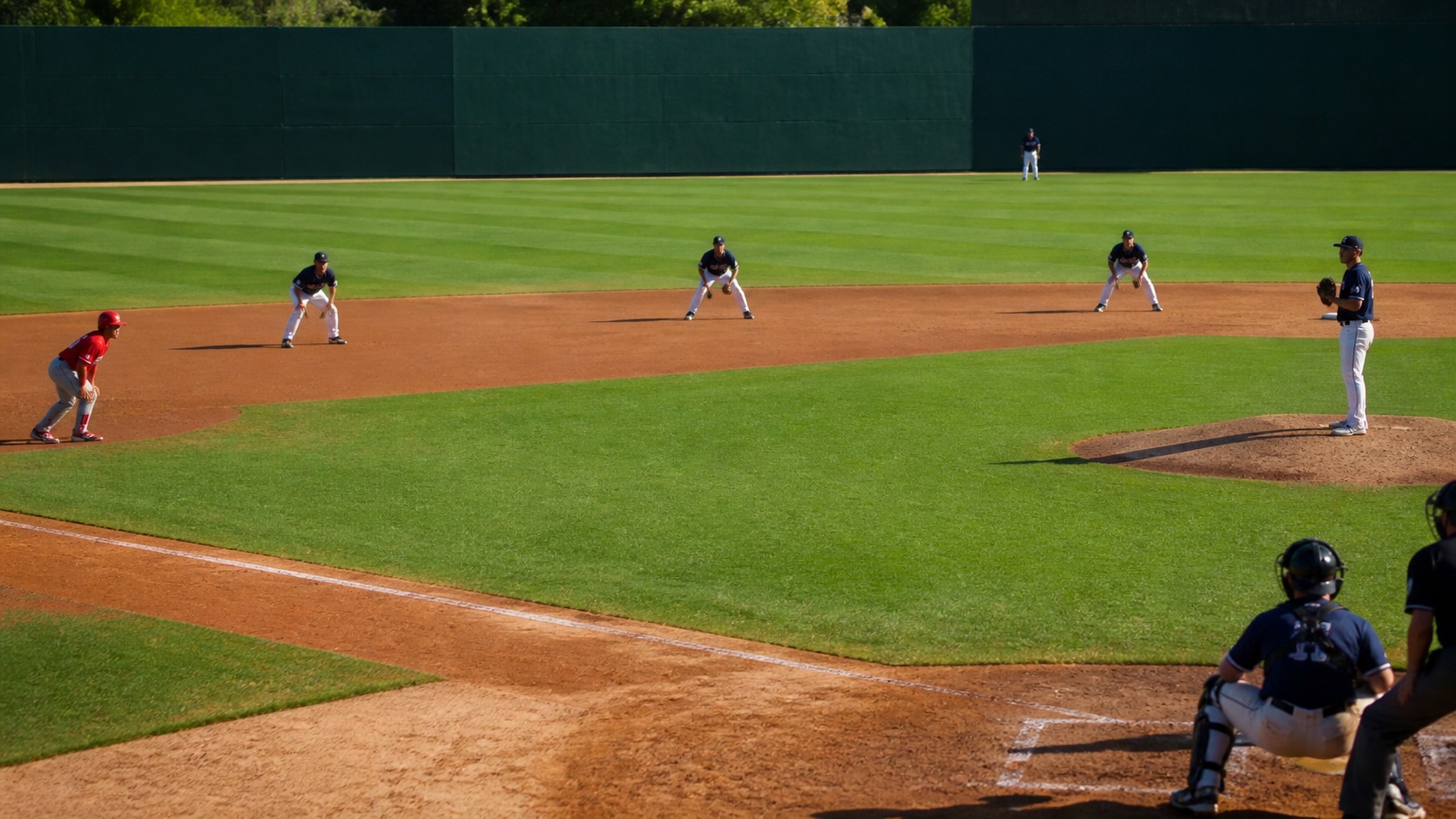
Setting up a force play is another legitimate reason. With a runner on second and one out, walking the batter can put runners on first and second, allowing a ground ball to produce an out at third, second, or first. That can widen the defense’s options.
The force-play argument works best when the pitcher can induce ground balls and the defense is positioned cleanly. If the pitcher lives in the air or misses barrels poorly, the new force may not matter much. A fly ball, walk, or extra-base hit can make the tactic look foolish.
Managers must also consider speed. A slow runner added at first may create a better double-play chance. A fast runner may pressure the middle infield and reduce the value of the force.
The Score Decides How Much Traffic Hurts
The same intentional walk can be brilliant in one score and reckless in another. If the tying run is already on second in the ninth inning, the defense may care less about adding a runner to first than about avoiding a game-winning extra-base hit. If the walk puts the winning run in scoring position, the math changes sharply.
Managers have to know which runner matters most. Adding the go-ahead run can be dangerous, but adding the winning run can be unacceptable unless the matchup improvement is enormous. In blowout situations, the walk may be unnecessary because one hitter’s damage matters less.
Late innings magnify decisions because there are fewer chances to recover. A walk that extends a first-inning rally may be survivable. A walk that loads the bases in the eighth can decide the game.
This is why fans should look at the scoreboard before reacting. The intentional walk is not only about the hitter. It is about which run the defense is willing to risk.
The Pitcher Must Still Pitch
An intentional walk can protect a pitcher from one dangerous swing, but it cannot remove pressure from the inning. In many cases, it increases pressure because the pitcher now has less room to miss. The next hitter may come up with runners everywhere and the crowd fully awake.
Some pitchers handle that well. They like the clearer target and trust the new matchup. Others become careful, fall behind, and turn the intentional walk into the beginning of a bigger inning. The manager has to know the pitcher’s emotional and command profile.
The catcher plays a role here. After the walk, the catcher needs to reset the battery. The next pitch cannot feel like the fifth pitch of the walk. It has to feel like the first pitch of a new plan.
Bench Options Can Undermine the Plan
The intentional walk does not happen in a vacuum. If the opposing manager has a strong pinch-hitter available, the planned matchup may disappear. Walking one batter to face another only works if the offense cannot easily replace the next hitter with a better option.
This matters especially late in games. Benches are built for leverage, and managers anticipate these situations. A walk that looks smart against the listed hitter can become questionable once the pinch-hitter steps out of the dugout.
Defensive substitutions, pitcher availability, and bullpen matchups all belong in the decision. The intentional walk is part of a larger chessboard, not a single isolated move.
Good managers think one move ahead. Better managers think through the counter-move too.
Reputation Can Distort Judgment
Some hitters change a manager’s pulse. A superstar at the plate in a big moment can make the intentional walk feel automatic. Sometimes that respect is deserved. Other times, reputation overwhelms the actual situation.
A famous hitter may be injured, slumping, facing an unfavorable pitcher, or up in a base state where a walk creates too much danger. Meanwhile, the next hitter may be seeing the ball well or matching up beautifully. The name on the scoreboard is only part of the evaluation.
Managers need courage in both directions. Sometimes courage means walking the star and accepting criticism. Sometimes courage means pitching to him because the inning says the walk is worse.
Backfires Usually Begin Before the Hit
When an intentional walk backfires, the obvious moment is the next batter’s big swing. But the problem often began earlier. The walk may have brought the winning run closer, given the pitcher no margin, ignored a pinch-hitter, or overvalued a force play that the pitcher was unlikely to create.
That is why outcome-only criticism can be lazy. A well-reasoned walk can fail because baseball is noisy. A poor walk can survive because the next hitter chases a bad pitch. The process matters.
Still, process should be specific. Saying “we liked the matchup” is not enough. The matchup has to be strong enough to justify every new risk the free runner brings.
The best way to judge a backfire is to ask what had to go right after the walk. If the plan required perfect command, no pinch-hitter, a slow runner, and a ground ball from a fly-ball pitcher, the warning signs were already flashing.
Backfires also teach future decisions. If the walk failed because the next hitter was underestimated, the scouting process needs review. If it failed because the pitcher could not command with traffic, the manager has learned something about that pitcher’s leverage profile.
Intentional Walks Affect the Clubhouse Mood
Strategy has a human side. Pitching around a hitter can signal respect for the opponent, but it can also tell the pitcher what the manager believes about the matchup. Some pitchers appreciate the help. Others may feel the staff does not trust them to solve the biggest moment.
That does not mean managers should avoid the walk to protect feelings. Winning decisions matter. But good communication helps pitchers understand the choice as a team tactic rather than a personal insult.
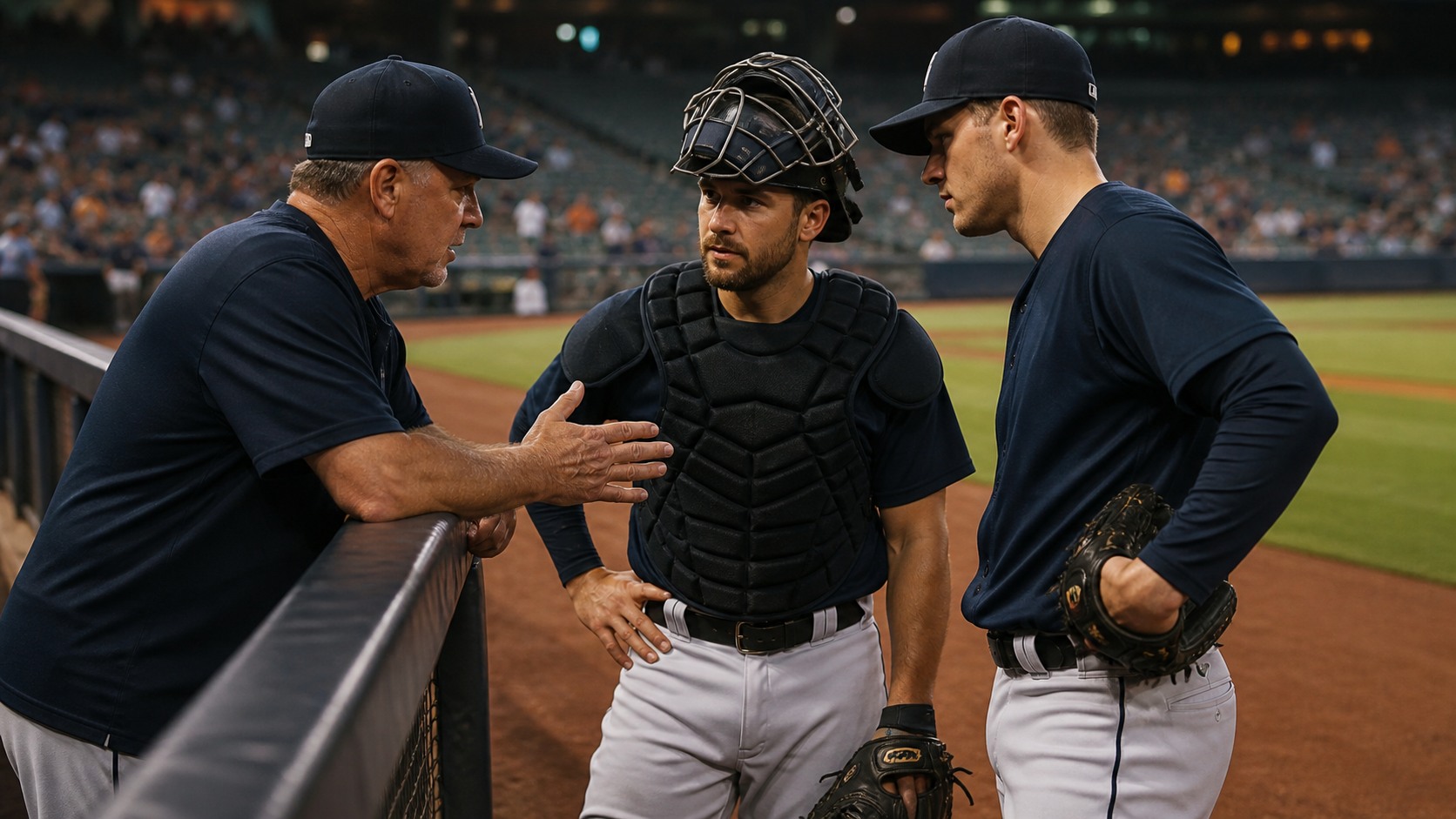
Catchers often bridge that gap. They can frame the walk as a reset: take the matchup we want, get the ground ball, and move on. That kind of clarity keeps the inning from becoming emotional.
The dugout reaction matters too. If the defense treats the walk like an escape, the next batter can sense hesitation. If the team treats it like the beginning of a defined plan, the pitcher has a better chance to attack.
Count And Base State Can Create Half-Decisions
Not every intentional walk begins as a clean decision before the at-bat. Sometimes the count reaches 2-0 or 3-0 and the manager has to decide whether continuing to compete is worth it. At that point, the defense has already moved partway toward the walk.
A 3-0 count to an elite hitter with an open base is different from a fresh 0-0 intentional pass. The pitcher may be one ball away from the same result anyway, and throwing a predictable strike can be dangerous. Managers often weigh whether the count has already changed the matchup enough to stop fighting it.
Those half-decisions require discipline. If the pitcher still has a clear way to attack, giving in too early may waste an out chance. If the next pitch is likely to be a middle strike from a pitcher without command, the walk may be the cleaner choice.
Fans can miss this layer because the scorebook shows only an intentional walk or a regular walk. The live decision may have been created by the count, not by fear of the hitter before the plate appearance began.
The base state makes that count even more complicated. A 3-0 pitch with first base open may invite caution, while the same count with the bases loaded demands a very different kind of courage.
Run Expectancy Is Helpful But Not Absolute
Intentional walk strategy often leans on run expectancy, the idea that each base-out state carries an average scoring expectation. Adding a runner usually increases expected runs, which is why intentional walks are dangerous. But averages do not answer every live situation.
One batter, one pitcher, one inning, and one score can justify a move that looks poor in the abstract. The manager is not facing an average lineup in an average inning. He is facing a specific hitter with a specific pitcher and a specific scoreboard problem.
The danger is using uniqueness as an excuse for bad math. If the walk raises the chance of a multi-run inning and the matchup improvement is small, the numbers are probably warning the manager. Smart strategy respects the math without becoming trapped by it.
The Best Walk Has a Next-Pitch Plan
An intentional walk should never end with ball four or the dugout signal. It should end with a clear plan for the next hitter. What pitch starts the at-bat? Where is the safe miss? Is the goal a ground ball, a strikeout, or weak contact? Which runner matters most?
When those answers exist, the walk can be a smart tool. When they do not, it becomes a hopeful delay. Baseball punishes vague strategy because the next pitch arrives immediately.
The intentional walk helps when it improves the defense’s path through the inning more than it increases traffic risk. It backfires when it turns one dangerous hitter into a larger problem. The move is neither cowardly nor clever by default. It is only as good as the baseball thinking behind it.
A manager should be able to explain the next pitch before choosing the free pass. If that explanation is fuzzy, the walk probably is too.