Why Minor League Ballparks Feel Different
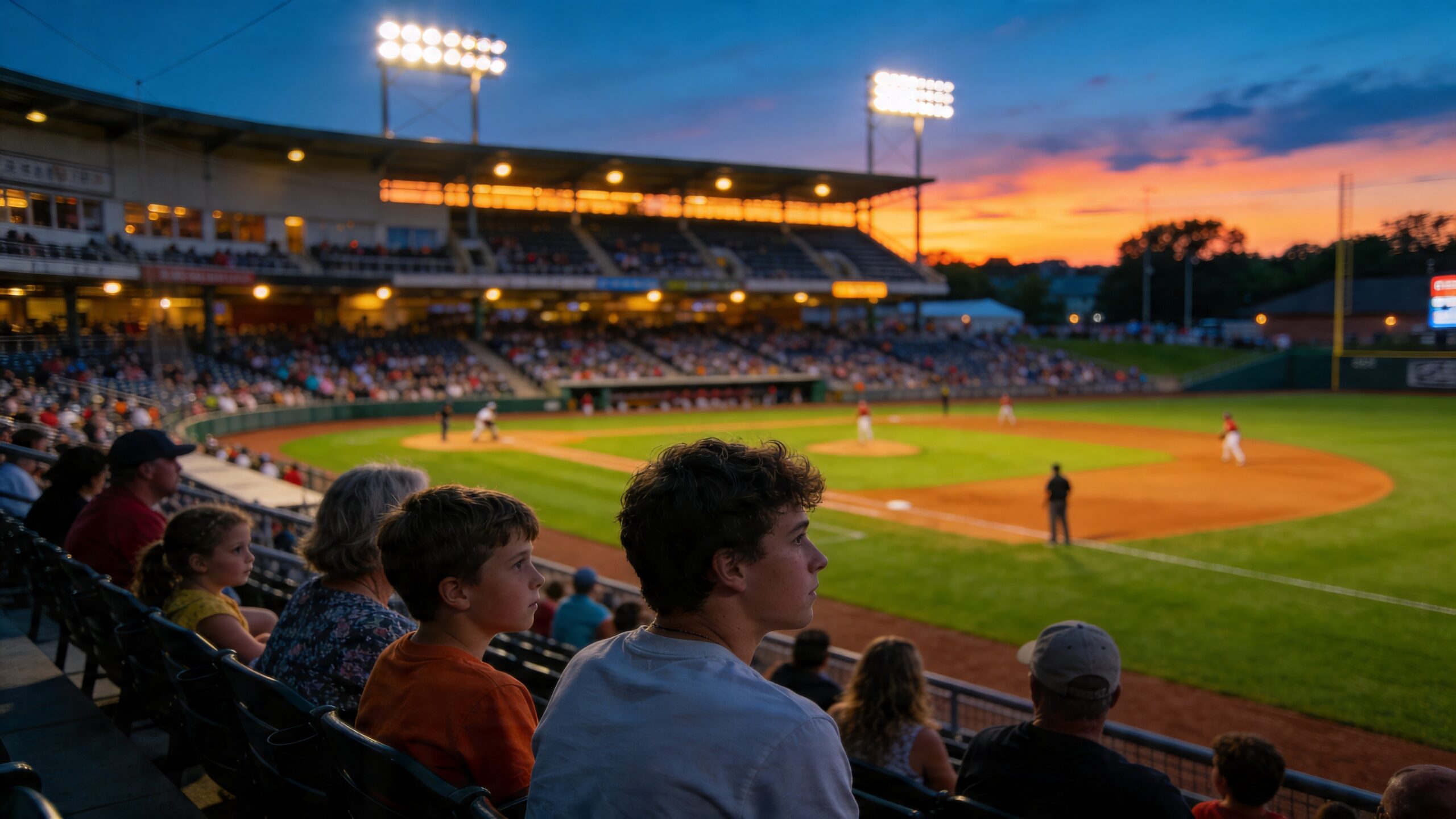
There is something unmistakably special about a great minor league ballpark. It is not just the baseball, though the game always remains at the center of the experience. It is the way these parks pull fans close to the field, close to the players, and close to the rhythms of a summer night. The seats are more intimate, the atmosphere is more personal, and the details often feel more memorable because nothing is too distant or too polished to feel real. That is why so many baseball fans eventually discover that some of their favorite stadium memories did not happen in the major leagues at all. They happened in smaller cities, along rivers, near mountains, tucked beside downtown streets, or hidden in communities where the ballpark doubles as a social hub. Minor League Baseball itself leans into that sense of discovery with its ballpark guide and road trip coverage, highlighting stadiums known for scenery, distinct character, and memorable local experiences.
A: A mix of scenery, charm, fan-friendly design, and memorable local character.
A: Yes, many are built around affordability, access, and kid-friendly entertainment.
A: Not always; both historic and modern parks can become standout destinations.
A: Consider scenery, atmosphere, local food, comfort, and nearby attractions.
A: Absolutely, especially if you want variety, value, and unforgettable baseball settings.
A: Yes, they are usually more intimate, approachable, and community-focused.
A: Yes, the entertainment and atmosphere make these parks appealing to casual visitors too.
A: Often yes, especially at parks that embrace local specialties and creative menus.
A: In many cases, yes, because tickets and extras are often more affordable.
A: Because the best ones make baseball feel personal, place-driven, and fun from start to finish.
What Makes a Ballpark a Hidden Gem
A hidden gem is not always the newest park or the biggest name. Sometimes it is a stadium with a dramatic view that surprises you the moment you walk through the concourse. Sometimes it is a place with a historic grandstand, a quirky outfield attraction, or a game-day atmosphere that feels joyful instead of rushed. The best hidden gems earn that label because they overdeliver. You arrive expecting a pleasant evening, and you leave feeling like you found one of baseball’s best-kept secrets.
That secret often comes from a combination of factors rather than a single feature. A ballpark becomes unforgettable when scenery, design, affordability, local identity, and fan energy all work together. Great minor league parks understand that the game is only part of the entertainment. The walk to the stadium matters. The food matters. The crowd matters. The little details in the architecture matter. The best parks feel curated without losing their local soul.
Scenic Beauty Changes Everything
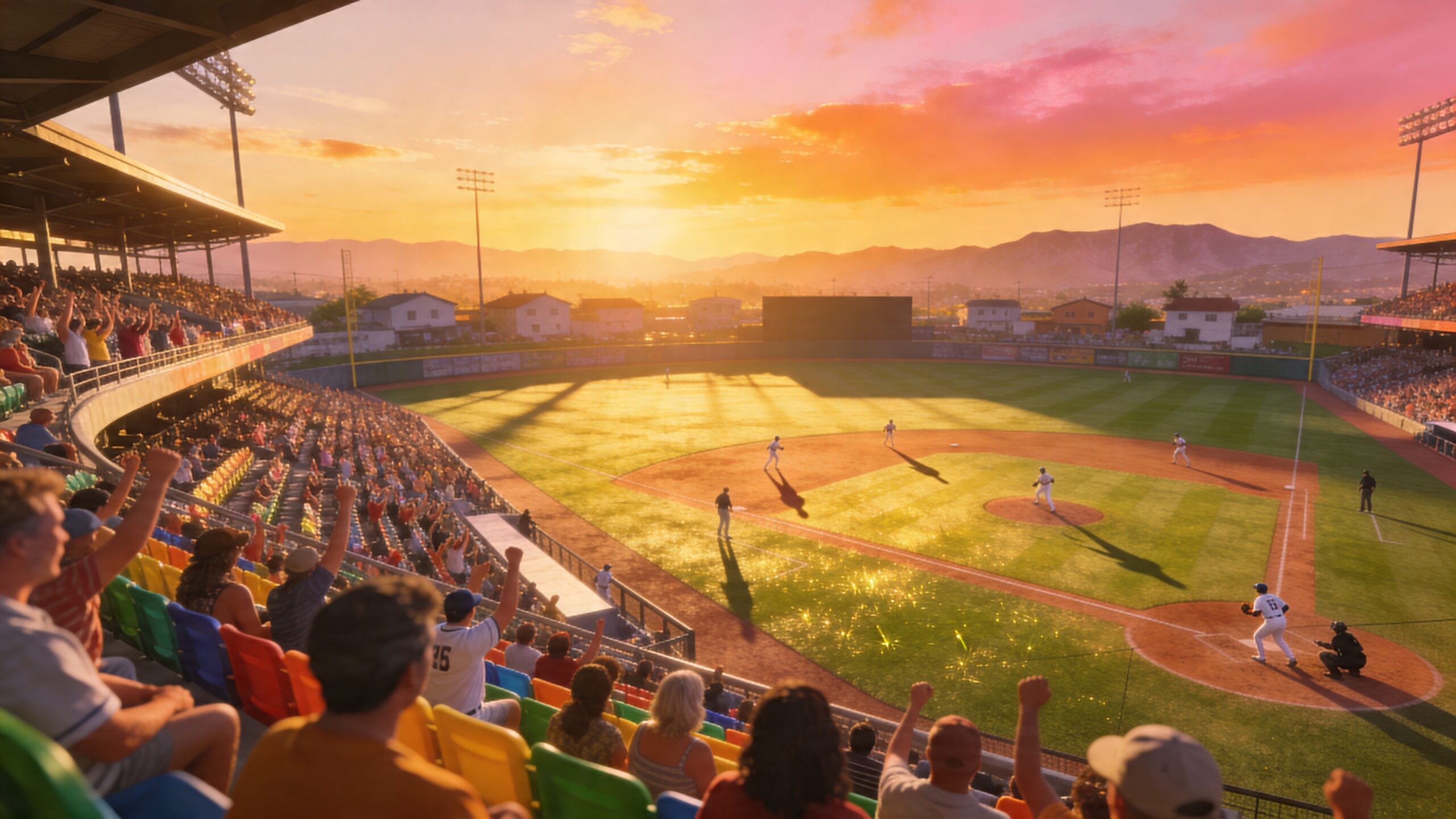
One of the fastest ways for a minor league park to become memorable is by offering a view that belongs in a postcard. MiLB has spotlighted ballparks admired by fans for their views, including parks in Salt Lake, Reading, El Paso, Las Vegas, and Bowie, showing how often landscape and setting become part of the appeal. A beautiful backdrop does more than provide nice photographs. It changes the pace of the night. It gives fans a reason to linger between innings, glance beyond the outfield, and feel rooted in a place instead of just passing through it. That is part of the charm of the hidden-gem category. Some stadiums deliver skyline views. Others open toward rivers, bridges, hills, or mountain ranges. Even when the baseball is the main attraction, the setting gives the experience depth. A great view makes the entire evening feel cinematic. It turns an ordinary Tuesday game into something worth planning a trip around.
Modern Woodmen Park and the Power of Personality
If you want one of the clearest examples of a hidden gem with personality, Modern Woodmen Park in Davenport belongs near the top of the conversation. MiLB has highlighted it as one of the memorable places to watch a game, noting its right-field view of the Centennial Bridge over the Mississippi River and its 110-foot Ferris wheel beyond the concourse. The official team site also positions it as a destination feature of the Quad Cities experience.
What makes a park like this special is that it never settles for being just functional. The Ferris wheel is the kind of feature that instantly separates a minor league experience from a conventional sports outing. The river view adds atmosphere. The bridge gives the park a visual identity. Together, they create a place that feels rooted in its city and eager to entertain. That is exactly what fans hope to find when they go searching for hidden gems.
Historic Charm Still Matters
Not every great minor league park is trying to feel modern. Some of the most rewarding visits come from stadiums that embrace age, legacy, and continuity. Jackie Robinson Ballpark in Daytona Beach stands out here. The Daytona Tortugas note that the venue is the oldest minor league ballpark still in use, and in 2026 it was also recognized in the USA TODAY 10Best readers’ choice rankings as the highest-ranked Single-A ballpark in the country. History matters because it gives a ballpark texture. It reminds fans that baseball is a game of continuity, where eras overlap and stories accumulate. A historic stadium does not need every modern bell and whistle to feel important. Sometimes the age of the structure is the attraction. When a ballpark has seen generations of fans, players, and summer nights, the experience gains weight. You do not just attend a game there. You step into a living part of baseball culture.
The Best Hidden Gems Feel Local
One of the biggest strengths of minor league baseball is how strongly teams reflect their communities. The best hidden-gem ballparks are not generic venues that could be dropped into any city. They feel specific. They feel local. Their names, food, visuals, traditions, and atmosphere all tell you something about the place around them.
That local identity is what separates a memorable ballpark from a merely pleasant one. You should feel like you are experiencing a region, not just a game. Maybe it is in the architecture. Maybe it is in a menu item only that city would celebrate. Maybe it is in the mascot, the music, or the little customs that regular fans treat as normal. Hidden gems thrive on this kind of specificity, because baseball feels richer when the ballpark belongs unmistakably to its hometown.
Food, Fun, and the Full Game-Day Experience
A great minor league stadium visit is about more than innings and scores. It is also about wandering the concourse, spotting unique seating areas, hearing kids react to the mascot, and deciding what local specialty to try before first pitch. MiLB’s own road trip and ballpark coverage repeatedly emphasizes this side of the experience, pointing fans toward parks known not only for baseball but for scenery, distinctive attractions, and food culture along the way. This is where hidden gems become travel-worthy. Fans are no longer just comparing rosters or standings. They are comparing vibes. They are asking which park offers the most fun per dollar, which one feels most welcoming, and which one leaves the biggest impression. That is an area where minor league baseball has a huge advantage. The experience is usually more affordable, more flexible, and more openly designed around fan enjoyment.
Parks That Surprise You With Access
Another major reason to seek out minor league gems is the access. In many stadiums, you are not separated from the game by layers of distance, premium barriers, or overwhelming scale. You can hear the dugout chatter. You can watch warmups up close. You can get a better sense of how fast the game really is. That intimacy changes the emotional tone of a visit.
It also makes the experience feel more welcoming to new fans. Someone who might feel overwhelmed by a massive major league venue can fall in love with baseball at a minor league park because the environment is approachable. You can move around. You can explore. You can find your own favorite angle of the game. That freedom is part of what makes smaller ballparks so rewarding to visit.
Newer Parks Can Be Hidden Gems Too
The hidden-gem label is not reserved for older or obscure venues. Some newer parks have quickly built strong reputations because they get the fan experience right. Atrium Health Ballpark in Kannapolis is a good example of how modern features can create a standout visit. The team highlights its Hendrick Kia Dugout Suite as an unusually immersive hospitality experience located right next to the dugout and field. That kind of design shows how creatively minor league teams think about the fan perspective. The best new parks are not trying to copy the majors on a smaller budget. They are trying to imagine what would make a baseball night more interactive, more comfortable, and more distinctive. When that creativity is paired with a strong local setting and energized fan base, even a newer venue can feel like a hidden treasure.
Rankings, Reputation, and Why They Matter
Independent rankings are not everything, but they do help highlight parks that consistently impress visitors. Parkview Field in Fort Wayne was recognized by Stadium Journey as the top game-day experience among High-A ballparks, while Pelicans Ballpark in Myrtle Beach has also been cited by its club for repeated top placement in its classification. These kinds of honors matter because they suggest that a ballpark is not just attractive on paper. It delivers in person.
Still, the most rewarding hidden-gem trips often come from balancing well-known favorites with personal discovery. Sometimes the best park is the one that surprises you, not the one with the loudest reputation. Rankings can point you in the right direction, but the real joy comes from building your own list. Every fan values something slightly different, whether that is history, scenery, architecture, food, or pure atmosphere.
How to Choose Which Ballparks to Visit First
If you are planning a ballpark trip, start by thinking about what you want most from the experience. If scenery matters, target parks known for views and open surroundings. If you love historic atmosphere, prioritize older venues with deep roots. If you want nonstop entertainment, look for parks known for creative concourses, family activities, or unusual in-stadium attractions. Geography matters too. One of the smartest ways to experience minor league baseball is through a regional road trip. MiLB’s own road trip features show how several memorable parks can be combined into a single baseball-focused journey. That approach makes the adventure feel bigger than any one game. You begin to see how each city expresses baseball differently, and the variety becomes part of the reward.
The Emotional Appeal of the Hidden Gem
There is a reason fans speak about great minor league parks with such affection. These places often feel less commercial, less hurried, and more human. You are not just watching baseball in a hidden gem. You are participating in a local tradition. You are sharing a night with families, regulars, road trippers, and die-hard fans who know exactly why their park matters.
That emotional warmth is hard to manufacture. It comes from repetition, from community, and from stadiums that understand they are gathering places as much as sports venues. The best minor league ballparks let baseball breathe. They make space for laughter, conversation, and little rituals that become cherished memories later. That is why so many of them stay with fans long after the final score fades.
Why These Ballparks Belong on Every Fan’s List
The best minor league ballparks you need to visit are not all famous, but they all share one quality: they make baseball feel vivid. They turn a game into an experience with texture, charm, and genuine place-specific identity. Some do it with rivers, bridges, and views. Some do it with history. Some do it with design, fan access, and nonstop personality. The details vary, but the result is the same. You leave feeling like you found something worthwhile. For baseball fans, that is the magic of the hidden-gem hunt. It opens the door to a broader, richer understanding of the sport. The best memories are not always attached to the biggest brands or the largest crowds. Often, they come from the parks that feel discovered rather than advertised. Those are the stadiums worth chasing, and they are the reason minor league baseball remains one of America’s most enjoyable sports experiences.