The Power of the Bat in Baseball History
The baseball bat is more than a tool; it is a symbol of the sport’s evolution, identity, and enduring appeal. From the earliest days of the game to the modern era of analytics and performance optimization, bats have played a central role in shaping how baseball is played and experienced. Each swing tells a story, and every iconic bat carries the imprint of moments that defined careers and captivated fans. The connection between player and bat is deeply personal, often influencing performance, confidence, and legacy. Over time, the bat has transformed from a simple handcrafted piece of wood into a carefully engineered instrument. Changes in materials, weight distribution, and design have mirrored the broader evolution of the game itself. Yet, despite these advancements, the essence of the bat remains rooted in tradition. The most iconic bats are not just defined by their craftsmanship, but by the legends who wielded them and the unforgettable moments they helped create.
A: Wood offers traditional feel and is required in MLB.
A: Maple for power, ash for flexibility, birch for balance.
A: It varies, but often only a few games in MLB.
A: They can add power but reduce swing speed.
A: The area that produces optimal contact.
A: High-speed impacts and wood grain weaknesses.
A: Yes, many models are available commercially.
A: The difference between length and weight.
A: Often they rotate multiple bats.
A: To improve grip and control.
Babe Ruth’s Bat and the Birth of Power Hitting
Few names in baseball history resonate as strongly as Babe Ruth, and few bats have had as profound an impact on the game. Ruth’s bat symbolized a shift in baseball philosophy, ushering in the era of the home run. His preference for a heavier bat allowed him to generate immense power, transforming the expectations of what a hitter could achieve. Fans flocked to stadiums to witness his towering drives, and the bat he used became an icon of raw strength and dominance.
Ruth’s influence extended beyond his own achievements. His approach to hitting inspired generations of players to prioritize power, fundamentally changing the sport’s offensive strategies. The bat became a representation of possibility, encouraging hitters to swing for the fences and redefine the limits of performance. Even today, Ruth’s legacy continues to shape how players approach the game, and his bat remains one of the most celebrated artifacts in baseball history.
Ted Williams and the Science of Hitting
Ted Williams brought a different kind of innovation to the use of the baseball bat, emphasizing precision, discipline, and a scientific approach to hitting. His bat was not just a piece of equipment but an extension of his meticulous understanding of the strike zone and swing mechanics. Williams studied every aspect of hitting, from pitch selection to bat speed, using his knowledge to achieve remarkable consistency and success. The design of Williams’ bat reflected his philosophy. He favored a balanced feel that allowed for quick adjustments and precise contact, enabling him to maintain control even against the most challenging pitchers. His approach demonstrated that success at the plate was not solely about power but also about intelligence and technique. Williams’ influence can still be seen in modern hitting strategies, where data and analysis play an increasingly important role.
Hank Aaron’s Consistency and Craftsmanship
Hank Aaron’s bat represents one of the most remarkable displays of consistency in sports history. Over the course of his career, Aaron used his bat to accumulate records that stood as benchmarks for decades. His swing was smooth, efficient, and repeatable, allowing him to deliver results year after year. The bat he wielded became a symbol of reliability and excellence.
Aaron’s approach highlighted the importance of balance and control. Unlike some power hitters who relied on sheer force, Aaron combined strength with precision, making his bat an instrument of sustained success. His ability to adapt and maintain performance over time demonstrated the enduring value of a well-crafted bat and a disciplined approach. For many players, Aaron’s legacy serves as a blueprint for achieving greatness through consistency.
The Louisville Slugger Legacy
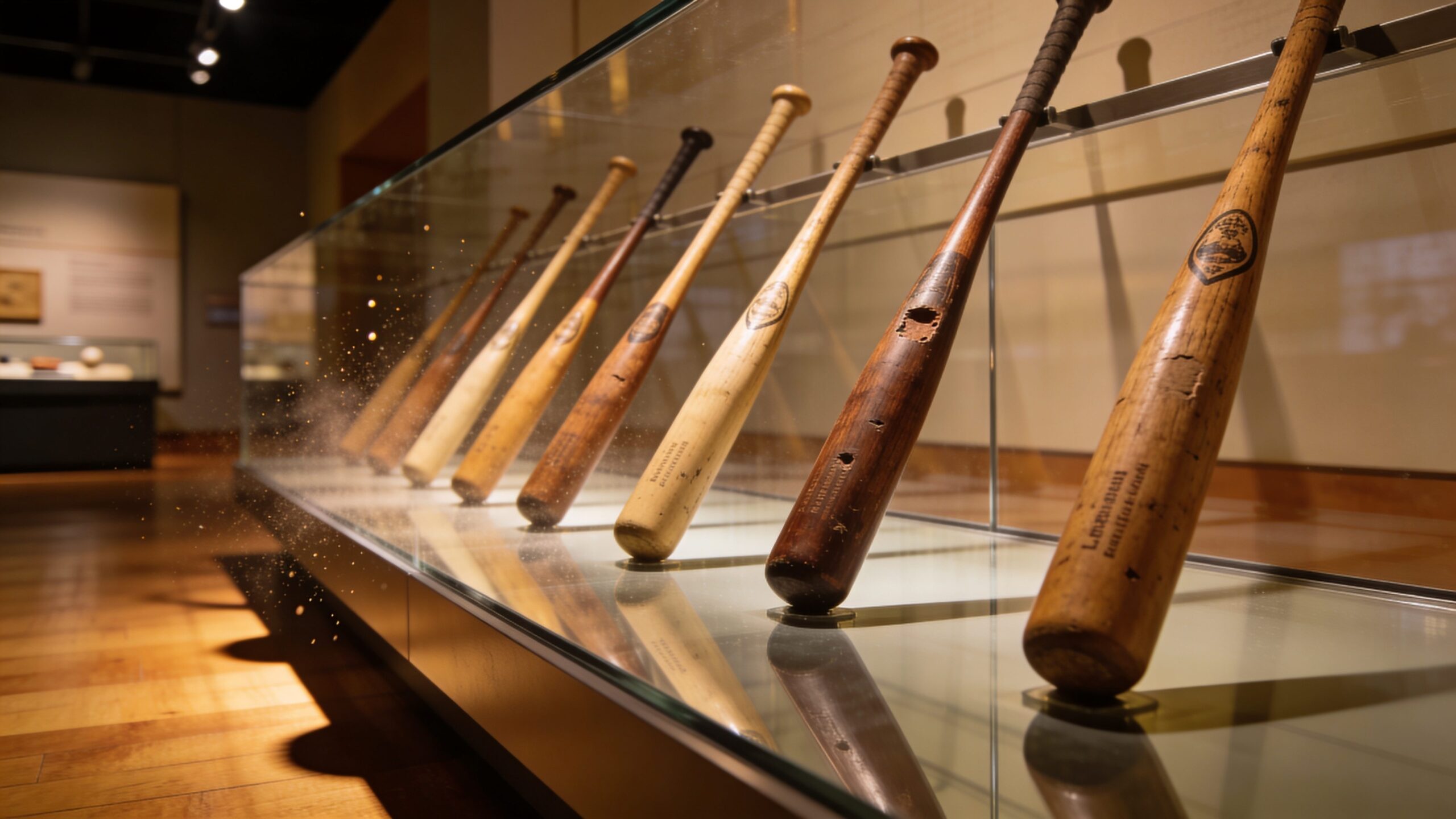
The Louisville Slugger brand has become synonymous with baseball itself, producing bats that have been used by countless legends. These bats are not just products but pieces of history, each one crafted with attention to detail and a deep understanding of the game. The company’s commitment to quality has made it a trusted name for generations of players, from amateurs to professionals. Throughout its history, Louisville Slugger has collaborated with some of the greatest players in the sport, creating custom designs tailored to individual preferences. This partnership between manufacturer and athlete has resulted in bats that reflect the unique styles and needs of each player. The legacy of Louisville Slugger is a testament to the enduring importance of craftsmanship and innovation in baseball.
The Rise of Personalized Bats
As the game evolved, so did the relationship between players and their bats. Modern players often rely on highly customized bats designed to match their specific swing characteristics and preferences. Factors such as weight distribution, handle thickness, and barrel size are carefully adjusted to optimize performance. This level of personalization has allowed players to maximize their potential and adapt to the demands of the game.
The trend toward customization reflects a broader shift in baseball toward precision and individuality. Players are no longer limited to standard designs but can work with manufacturers to create bats that enhance their strengths. This evolution has led to a greater diversity of styles and approaches, enriching the game and pushing the boundaries of what is possible.
Barry Bonds and the Modern Power Era
Barry Bonds’ bat represents the pinnacle of modern power hitting, combining advanced design with extraordinary skill. Bonds used a bat that was tailored to his unique approach, allowing him to generate exceptional power while maintaining control. His record-breaking achievements highlighted the potential of combining technology with talent. The bats used during this era often featured refined materials and construction techniques, reflecting advancements in manufacturing. These innovations enabled players to achieve higher levels of performance, contributing to a period of unprecedented offensive output. Bonds’ bat stands as a symbol of this era, capturing the intersection of tradition and innovation.
The Influence of Maple Bats
The introduction of maple bats marked a significant shift in the game, offering players a new option that combined durability with performance. Maple bats are known for their hardness and dense grain, which can produce a sharper, more powerful contact. Many players have embraced this material, leading to its widespread adoption across the league.
The rise of maple bats has also sparked discussions about safety and regulation, as their tendency to shatter differently than traditional ash bats has raised concerns. Despite these challenges, maple bats have become a defining feature of the modern game, illustrating how innovation continues to shape baseball’s evolution.
Ichiro Suzuki and the Art of Precision
Ichiro Suzuki’s bat tells a story of finesse and precision, showcasing a different approach to hitting. Unlike power-focused players, Ichiro relied on speed, accuracy, and placement to achieve success. His bat was lighter and designed for quick, controlled swings, allowing him to consistently make contact and exploit gaps in the defense. Ichiro’s style demonstrated that success in baseball can take many forms. His ability to adapt and excel with a unique approach inspired players to explore alternative strategies. The bat he used became a symbol of creativity and versatility, proving that the game is as much about skill as it is about strength.
The Evolution of Materials and Design
The journey of the baseball bat is closely tied to advancements in materials and design. From the early days of hand-carved wood to the precision-engineered bats of today, each innovation has contributed to the game’s development. Changes in weight distribution, handle shape, and barrel size have allowed players to refine their swings and improve performance.
Modern bats are the result of extensive research and testing, incorporating insights from physics, biomechanics, and data analysis. These advancements have not only enhanced performance but also deepened our understanding of the game. The evolution of the bat reflects baseball’s ongoing commitment to innovation while preserving its rich traditions.
Cultural Impact of Iconic Bats
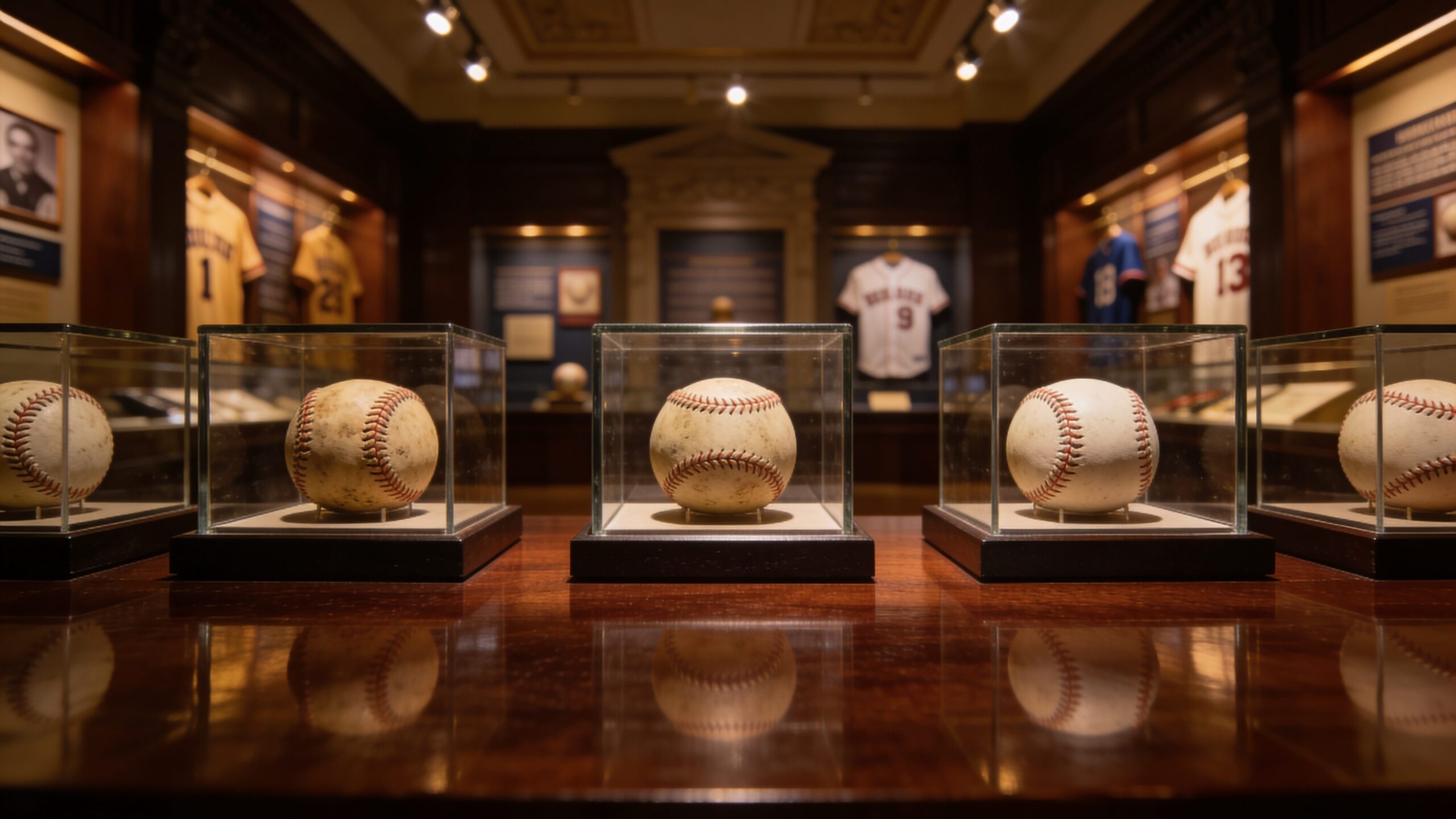
Iconic baseball bats hold a special place in the cultural fabric of the sport, serving as tangible connections to its history. These objects are often preserved in museums, displayed as symbols of achievement and inspiration. Fans are drawn to these artifacts, eager to experience the stories they represent and the moments they helped create. Beyond their historical significance, these bats have become symbols of aspiration. Young players dream of wielding a bat that can carry them to greatness, inspired by the legends who came before them. The cultural impact of these objects extends far beyond the field, influencing how baseball is perceived and celebrated around the world.
The Future of Baseball Bats
As baseball continues to evolve, so too will the design and use of bats. Emerging technologies and materials offer the potential for further innovation, while ongoing research provides new insights into performance optimization. The future of the bat will likely balance tradition with progress, maintaining the essence of the game while embracing new possibilities.
Despite these changes, the fundamental role of the bat will remain unchanged. It will continue to be a symbol of skill, power, and connection, linking generations of players and fans. The iconic bats of the past have set the stage for future innovations, ensuring that the story of baseball continues to be written with every swing.