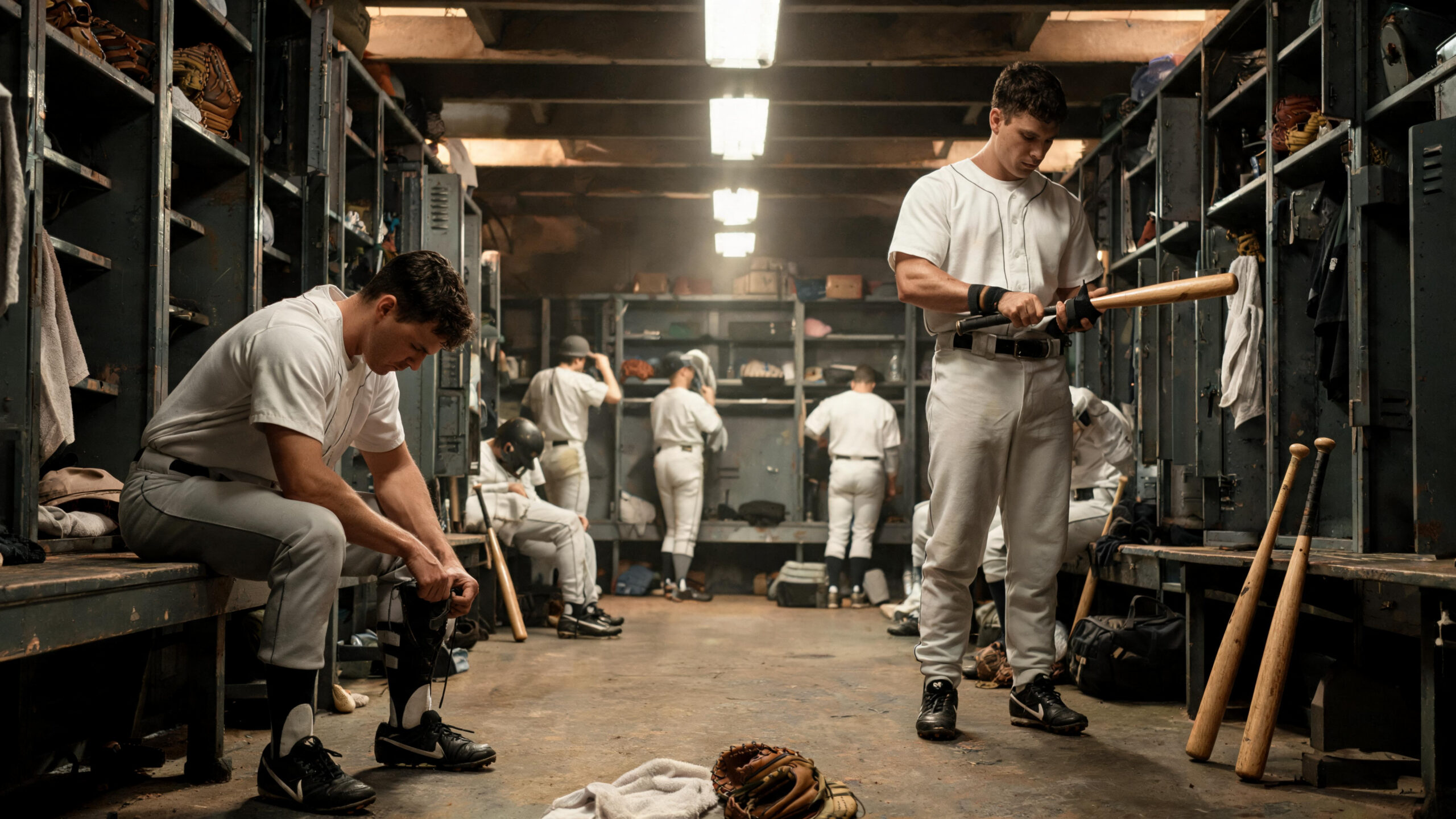
The Fight Beyond Affiliated Baseball
Independent baseball exists in one of the toughest environments in professional sports. Unlike Minor League Baseball organizations tied directly to Major League Baseball franchises, independent teams operate without the financial safety net, player development funding, or massive infrastructure provided by MLB organizations. Every bus trip, player paycheck, ballpark upgrade, and promotional event must be funded through the team’s own creativity and determination. Yet despite these challenges, independent baseball continues to survive and, in many places, thrive. For many fans, independent baseball represents the purest form of the sport. The atmosphere feels more personal, the players are hungrier, and the teams are deeply connected to their communities. Independent clubs survive because they understand something larger organizations sometimes overlook: baseball is more than statistics and television contracts. It is emotion, local pride, affordable entertainment, and unforgettable summer nights. That connection keeps fans returning year after year.
A: Professional baseball leagues that operate outside MLB affiliations.
A: Yes, many players have signed MLB contracts after strong performances.
A: Teams focus on affordability and community accessibility.
A: Yes, some veterans continue their careers in these leagues.
A: Through tickets, sponsorships, merchandise, concessions, and events.
A: Independent baseball games are designed to be affordable family entertainment.
A: Promotions attract casual fans and create memorable experiences.
A: Yes, scouts regularly evaluate players in independent leagues.
A: Absolutely, many leagues feature highly talented professional players.
A: The experience feels more personal, affordable, and community-focused.
Building Deep Community Connections
One of the biggest reasons independent baseball teams survive without MLB support is their ability to become woven into the identity of their cities. Independent clubs often represent smaller communities that crave professional sports but cannot support major league franchises. In these towns, the baseball team becomes a centerpiece of local culture.
Team owners and front offices work aggressively to establish relationships with schools, charities, local businesses, and community organizations. Players attend youth camps, mascots visit elementary schools, and coaches participate in local events throughout the year. These teams are not distant corporate entities. They are visible parts of everyday life, and fans feel personally invested in their success.
That emotional loyalty becomes critical during difficult seasons. Even when teams struggle financially or on the field, communities frequently rally around them because the organization feels local rather than commercial. In many ways, independent baseball survives because fans feel like the team belongs to them.
Affordable Family Entertainment Keeps Fans Coming
Major League Baseball games can become extremely expensive experiences once parking, tickets, food, and merchandise are added together. Independent baseball teams capitalize on this gap by offering affordable entertainment for families looking for a fun night out.
Many independent teams price tickets low enough for entire families to attend regularly. Concession prices are often more reasonable, parking is simpler, and fans can sit much closer to the action. Children frequently interact with players before and after games, creating experiences that feel impossible in larger professional sports environments. This accessibility creates repeat attendance. Families who might attend one MLB game per year may attend ten or fifteen independent baseball games over a summer. That consistent turnout provides crucial revenue streams for teams operating on tight budgets.
Creative Promotions Drive Attendance
Independent baseball teams are masters of promotion because they must constantly compete for attention in crowded entertainment markets. Without MLB branding power, these clubs rely on imagination and humor to attract crowds. Teams host outrageous theme nights, fireworks shows, food festivals, celebrity appearances, and fan participation events that turn games into entertainment spectacles. Some clubs create viral alternate identities, wear outrageous uniforms, or organize bizarre between-inning contests designed to generate social media attention.
These promotions are not simply gimmicks. They are survival strategies. Independent teams understand they are competing not only with other sports but also with movies, concerts, streaming services, and countless entertainment options. Creating memorable experiences keeps fans engaged even if they are not hardcore baseball followers.
The ability to market fun rather than simply baseball helps independent teams reach broader audiences. Many fans attend because of the atmosphere first and the sport second, which ultimately strengthens the team’s financial stability.
Sponsorships Become Lifelines
Without MLB financial backing, sponsorship revenue becomes absolutely essential for independent baseball teams. Local businesses often play enormous roles in helping organizations survive season after season. Everything inside an independent ballpark may carry sponsorship opportunities. Stadium sections, scoreboards, uniforms, foul poles, giveaways, concession areas, and even inning breaks can become advertising partnerships. Teams work closely with regional companies to create mutually beneficial marketing relationships.
These partnerships often go beyond simple advertising. Sponsors may help fund community events, youth baseball programs, or stadium renovations. In return, businesses receive visibility and goodwill within the community. Independent teams succeed when they become valuable marketing platforms for local economies. Because of these relationships, many independent clubs operate almost like community business alliances rather than isolated sports organizations. Their survival depends on maintaining strong local economic support systems.
Players Chasing Second Chances
Independent baseball survives largely because players continue believing in the dream. Many athletes in these leagues were once highly regarded prospects, former MLB players, or overlooked talents searching for opportunities.
For players released from affiliated baseball systems, independent leagues offer a chance to continue developing and potentially return to MLB organizations. Scouts regularly attend games looking for overlooked talent, and successful independent players still earn contracts with major league clubs.
That constant pursuit of redemption creates an intense competitive environment. Players are often fighting for careers rather than simply playing out contracts. Fans recognize this hunger and passion on the field, which adds authenticity and excitement to the games. The emotional stories surrounding these athletes also become powerful marketing tools. Fans connect deeply with underdog narratives, comeback attempts, and players refusing to give up on lifelong dreams.
Lean Business Models Keep Teams Alive
Independent baseball organizations survive by operating with lean and flexible business structures. Most teams cannot afford enormous front-office staffs or luxurious facilities, so efficiency becomes essential. Employees frequently handle multiple responsibilities. A marketing director may also organize community outreach events. Stadium operations staff might assist with ticket sales. Team executives often work long hours wearing several hats simultaneously.
Travel arrangements are carefully budgeted, roster decisions are financially strategic, and operational costs are constantly monitored. Teams must maximize every dollar because profit margins are often extremely small. This lean structure can actually become an advantage. Independent teams are often far more adaptable than larger organizations burdened by bureaucracy. They can quickly experiment with new promotions, partnerships, and ideas without navigating complicated corporate systems.
Social Media Levels the Playing Field
The rise of social media has dramatically improved survival opportunities for independent baseball teams. Platforms like TikTok, Instagram, YouTube, and Facebook allow small-market clubs to build audiences far beyond their local regions.
Creative social media teams regularly produce viral content showcasing funny promotions, unique mascots, passionate fans, and behind-the-scenes moments. Some independent clubs have built national recognition despite operating in relatively small cities.
This digital exposure helps attract sponsors, merchandise sales, and even tourism. Fans who discover a team online may eventually attend games in person or follow the organization from afar. Independent teams that embrace internet culture often build stronger brands than clubs relying solely on traditional advertising. Social media also allows teams to showcase personality. Independent baseball thrives because it often feels less corporate and more authentic than larger sports organizations. Fans appreciate that honesty and relatability.
Ballparks Become Entertainment Destinations
Independent baseball teams understand they are not simply selling baseball games. They are selling experiences. As a result, many clubs focus heavily on turning ballparks into entertainment destinations. Modern independent stadiums frequently include playgrounds, beer gardens, live music areas, picnic zones, party decks, and interactive fan attractions. The goal is to create environments where even casual visitors can enjoy themselves regardless of the game outcome.
Some teams host concerts, festivals, and non-baseball events throughout the year to generate additional revenue streams. Ballparks become year-round community gathering places rather than seasonal sports venues. This diversified approach helps organizations survive financially during offseason months while also strengthening local connections. The more useful a stadium becomes to a community, the more likely the team is to endure long-term.
Ownership Passion Drives Survival
Many independent baseball team owners are not billionaire investors seeking enormous profits. Instead, they are often passionate baseball lovers determined to preserve the sport within their communities.
Operating independent teams can be financially risky, stressful, and unpredictable. Owners frequently invest personal resources and endure years of narrow profit margins simply because they believe in the value of local baseball.
That passion becomes a driving force behind survival. Owners willing to innovate, adapt, and stay committed through difficult periods often keep franchises alive when less dedicated operators might walk away. Fans usually recognize this dedication as well. Communities are more likely to support teams when ownership demonstrates genuine care for the city and the fan experience.
The Importance of Summer Tradition
Independent baseball survives because it taps into nostalgia and tradition. For many communities, attending games becomes part of the rhythm of summer itself. Warm evenings at the ballpark, children chasing foul balls, fireworks after games, and the sound of baseball under stadium lights create emotional experiences that feel timeless. Independent teams often lean heavily into this nostalgic atmosphere, presenting themselves as guardians of traditional baseball culture.
This emotional appeal is powerful. Even in an age dominated by digital entertainment and fast-moving media, many people still crave simple in-person experiences that feel authentic and communal. Independent baseball delivers exactly that. As cities grow more disconnected and entertainment becomes increasingly virtual, the local ballpark offers something increasingly rare: real human interaction and shared memory-making.
Economic Challenges Never Disappear
Despite their resilience, independent baseball teams constantly face economic pressure. Rising travel costs, stadium maintenance expenses, player salaries, and fluctuating attendance can quickly threaten stability.
Weather can devastate revenues during crucial summer months. Economic downturns reduce discretionary spending. Competition from other entertainment options continues increasing. Teams must constantly evolve to remain financially sustainable.
Some franchises relocate, rebrand, or disappear entirely. Independent baseball is filled with stories of teams that struggled to survive despite loyal fan bases. Yet new organizations continue emerging because communities still value local baseball experiences. This constant cycle of challenge and renewal reflects the independent spirit itself. These teams survive because they are built around adaptability, creativity, and persistence.
Why Independent Baseball Still Matters
Independent baseball matters because it preserves opportunities. It gives overlooked players another chance, provides affordable sports entertainment for communities, and keeps professional baseball alive in regions outside MLB influence. It also protects an important piece of sports culture. Independent baseball feels deeply human compared to the corporate scale of major professional leagues. Fans can meet players, speak with coaches, and feel personally connected to their teams.
That intimacy creates loyalty impossible to manufacture through massive marketing campaigns. Independent clubs succeed because they offer authenticity in an increasingly commercialized sports world. For many fans, independent baseball is not a backup version of MLB. It is something entirely different: a more personal, unpredictable, and emotionally connected form of the game.
The Future of Independent Baseball
The future of independent baseball will likely depend on continued innovation. Teams that embrace technology, entertainment, community involvement, and flexible business strategies will have the best chances of long-term success. Streaming services, digital ticketing, online merchandise sales, and expanded social media reach are already helping organizations grow beyond local markets. Partnerships with tourism boards, youth sports programs, and regional businesses may become even more important moving forward.
At the same time, the heart of independent baseball will remain unchanged. Fans will continue showing up for the atmosphere, the stories, and the connection to their communities. Players will continue chasing dreams. Owners will continue fighting to keep baseball alive in places where the sport still means everything.
Independent baseball survives without MLB support because it has learned how to survive with something even more valuable: passionate communities, unforgettable experiences, and a relentless belief in the enduring magic of baseball itself.