Two Roads Beneath the Big Leagues
Independent baseball and Minor League Baseball often look similar at first glance. Both feature professional players, real stadiums, road trips, mascots, concessions, and summer nights filled with the sound of wood bats and cheering crowds. To casual fans, the difference may seem small. A ticket gets you into a ballpark, players take the field, and the game feels familiar. Behind the scenes, however, these two baseball worlds are built on very different foundations. Minor League Baseball teams are connected to Major League Baseball organizations, while independent baseball teams operate outside that system. That single difference affects nearly everything: player salaries, roster construction, scouting, business models, fan experience, team priorities, and the path players take toward the major leagues.
A: No. Independent baseball operates outside direct MLB affiliation.
A: Yes. Minor league teams are affiliated with MLB organizations.
A: Yes. Strong independent league performances can lead to affiliated contracts.
A: Minor League Baseball usually has more official MLB prospects.
A: Yes. Independent baseball is professional, paid baseball.
A: Both are usually affordable, though prices vary by team and market.
A: Many are chasing second chances, exposure, or continued professional careers.
A: MLB organizations constantly promote, demote, and reassign players.
A: Yes. Scouts monitor independent leagues for overlooked talent.
A: Watch both. Minor league baseball offers prospect development, while independent baseball delivers grit, personality, and underdog drama.
What Is Minor League Baseball?
Minor League Baseball is the official development system for Major League Baseball. Teams are affiliated with MLB clubs and serve as training grounds for future big leaguers. A young player drafted by an MLB organization usually begins his professional career somewhere in the minor league system, moving through levels as he develops.
The main purpose of affiliated minor league baseball is player development. Winning matters, but helping prospects improve matters even more. Coaches, trainers, analysts, and front-office staff work within a larger MLB structure. Decisions about lineups, pitching usage, promotions, and roster movement are often shaped by the parent club’s long-term goals.
What Is Independent Baseball?
Independent baseball is professional baseball played outside the direct control of MLB organizations. These teams are not farm clubs for major league franchises. They sign their own players, manage their own operations, and survive through ticket sales, sponsorships, merchandise, concessions, and local support. Independent leagues give players another path. Some are former MLB prospects looking for a second chance. Others are overlooked college players, late bloomers, international talents, or veterans trying to extend their careers. The baseball is real, competitive, and professional, but the structure is more flexible, more entrepreneurial, and often more unpredictable.
The Biggest Difference Is Affiliation
The central difference between independent baseball and Minor League Baseball is affiliation. Minor league teams are tied to MLB organizations. Independent teams are not. That connection shapes everything.
In affiliated baseball, an MLB club controls the players assigned to its minor league teams. The major league organization decides who gets promoted, demoted, traded, developed, or released. Independent teams, by contrast, build rosters based on their own needs. They are not waiting for a parent club to send them players. They must find talent themselves and compete with the resources they have.
Player Development vs Team Survival
Minor League Baseball is designed to develop players for MLB. Independent baseball is designed to win games, entertain fans, and keep teams financially alive. That difference creates very different priorities. A minor league manager may be told to limit a pitcher’s innings because the MLB organization wants to protect his arm. An independent manager may need that pitcher to win a crucial game because ticket sales, playoff hopes, and local excitement depend on success. Both systems care about players, but they answer to different pressures.
Who Plays in Minor League Baseball?
Minor league rosters are filled with players under contract with MLB organizations. These players may include high draft picks, international signings, veteran depth pieces, injury rehab assignments, and prospects at different stages of development.
The talent range can be wide. Some players are future stars just beginning their journey. Others are organizational players providing depth. The system is structured by levels, allowing players to progress from lower classifications toward Triple-A and eventually the major leagues.
Who Plays in Independent Baseball?
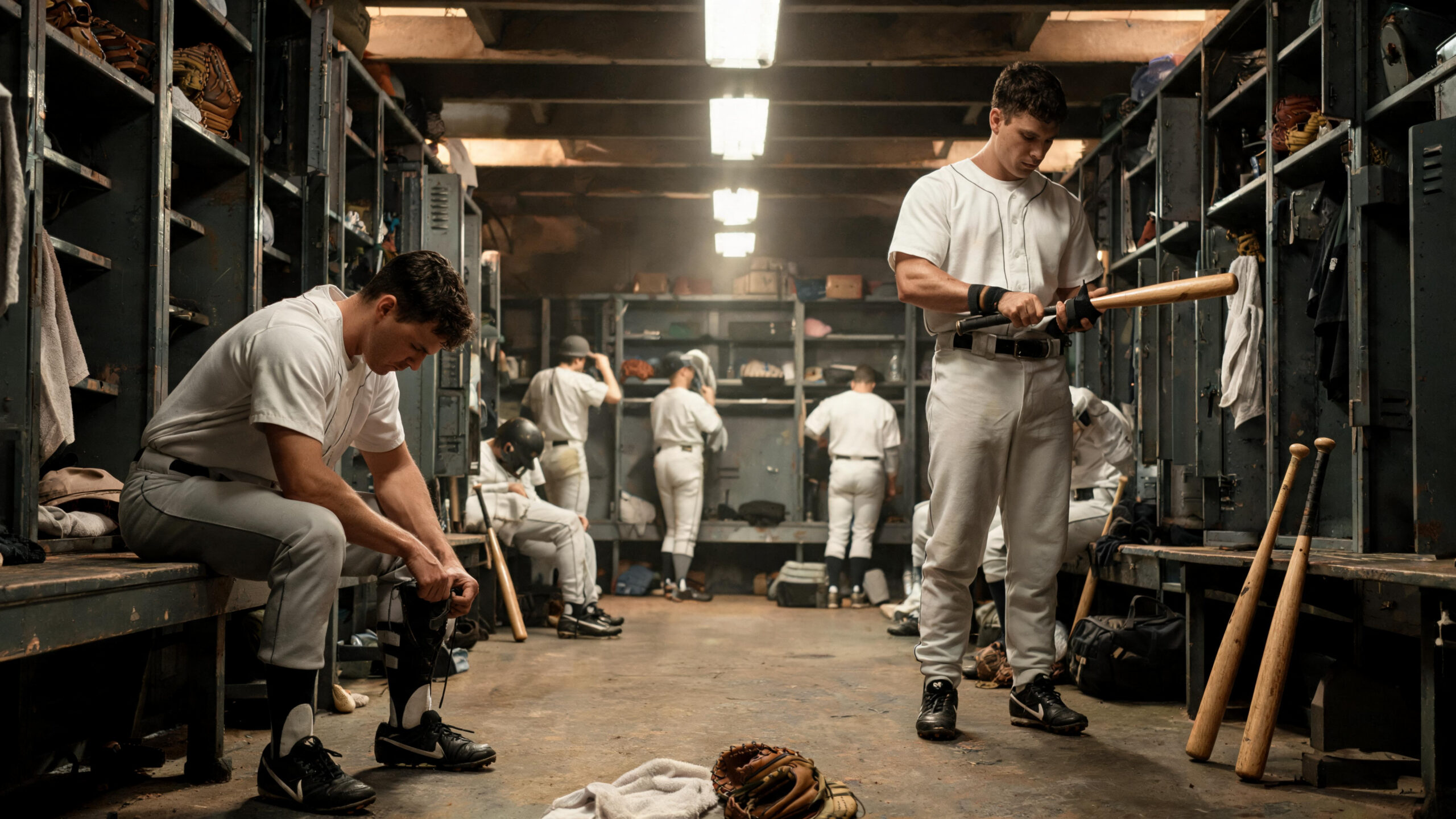
Independent baseball rosters are often more eclectic. A single clubhouse may include a former major leaguer, a recently released Double-A player, a college standout who went undrafted, a pitcher from another country, and a veteran slugger chasing one last contract. That mix gives independent baseball a unique energy. Players are often competing with urgency because they know every at-bat and every inning can matter. A strong season can lead to an affiliated contract. A poor stretch can end a career. The stakes feel personal.
The Path to MLB Is Different
Minor League Baseball is the traditional road to MLB. Players are already inside a major league organization, so their goal is to climb the ladder. They move from level to level as the parent club evaluates their progress.
Independent players are outside the ladder trying to get back onto it. They must perform well enough to attract scouts and earn a contract from an MLB organization. Their journey is less direct, but not impossible. Independent baseball has produced players who returned to affiliated ball and even reached the majors.
The Business Model Behind the Teams
Minor League Baseball teams benefit from affiliation, but they still operate as local entertainment businesses. The MLB parent club typically provides players and baseball staff, while the local team focuses on the fan experience, ticket sales, sponsorships, and stadium operations. Independent teams must handle nearly everything themselves. They sign players, pay salaries, market games, build sponsorships, manage travel, and create promotions. Without MLB backing, independent clubs must be especially creative and financially disciplined. Their survival depends on strong local support and smart operations.
Fan Experience in Minor League Baseball
Minor League Baseball is famous for affordable fun, family-friendly promotions, creative mascots, and polished game-day entertainment. Because many teams have long histories and modern ballparks, the experience can feel highly organized and professional.
Fans may also get the thrill of watching future MLB stars before they become famous. Seeing a top prospect in a smaller stadium creates a special connection. A fan can say they watched a player before the rest of the baseball world knew his name.
Fan Experience in Independent Baseball
Independent baseball often feels more intimate, gritty, and personal. Fans may sit close enough to hear players talking on the field. Autographs are easier to get. Kids can interact with players after games. The atmosphere feels less corporate and more community-driven. Independent teams also tend to embrace wild promotions and unusual branding. Since they must compete hard for attention, they often experiment with theme nights, alternate identities, and local traditions. The result can be a baseball experience that feels unpredictable, charming, and deeply connected to its city.
Competition and Quality of Play
Both independent baseball and Minor League Baseball feature legitimate professional talent. The difference is not that one is real baseball and the other is not. The difference lies in structure, depth, and purpose.
Minor League Baseball has a more formal development ladder and direct access to MLB-contracted players. Independent baseball may have more roster variation, but it can still feature excellent players, especially in top independent leagues. The best independent teams are highly competitive and can include athletes with major league, Triple-A, or international experience.
Coaching and Analytics
Minor League Baseball teams often have access to advanced analytics, player development technology, strength programs, medical resources, and coaching systems provided by MLB organizations. Players may receive detailed data on swing paths, pitch shapes, defensive positioning, and workload management. Independent teams may use technology too, but resources vary widely. Some clubs are modern and data-driven, while others operate with leaner staffs and smaller budgets. This creates a more uneven landscape, but it also allows innovative coaches to stand out. Independent baseball can be a proving ground not just for players, but for managers, trainers, and front-office talent.
Roster Movement and Stability
Minor league rosters can change constantly. Players are promoted, demoted, injured, traded, or reassigned based on the needs of the MLB organization. A fan may fall in love with a prospect only to see him move up a level the next week.
Independent rosters also change, but for different reasons. Players may leave after signing with affiliated clubs, get released, join international leagues, or move between independent teams. Still, independent clubs often build strong local identities around fan-favorite players who stay long enough to become community names.
Financial Pressure and Team Identity
Independent baseball teams face intense financial pressure because they lack MLB’s structural support. Every home game matters. Rainouts hurt. Weak attendance hurts. Failed promotions hurt. Teams must sell themselves aggressively and constantly. That pressure can create powerful identities. Independent teams often become scrappy, inventive, and deeply local because they have no other choice. They must know their fans, their market, and their community. A successful independent team is usually more than a baseball club. It is a local entertainment brand.
Why Players Choose Independent Baseball
Players choose independent baseball for many reasons. Some want another chance after being released. Some believe they were overlooked. Some want to keep playing professionally rather than leave the game. Others use independent leagues as a bridge to affiliated ball, international baseball, or coaching opportunities.
The common thread is opportunity. Independent baseball keeps doors open. It gives players a stage, a uniform, a schedule, and a chance to prove they still belong. For many athletes, that is everything.
Why Fans Should Watch Both
Fans do not have to choose between independent baseball and Minor League Baseball. Both offer something valuable. Minor League Baseball gives fans a structured look at tomorrow’s MLB talent. Independent baseball offers raw ambition, local personality, and underdog drama. A minor league game might let you watch a future All-Star develop. An independent game might let you watch a player fight his way back from the edge of retirement. Both stories are compelling. Both belong in the larger baseball ecosystem.
The Role of Community
Community support matters in both systems, but it is especially crucial in independent baseball. Without loyal fans, local sponsors, and civic partnerships, independent teams struggle to survive.
Minor league teams also need community support, but affiliation can provide stability and recognition. Independent teams must earn attention from scratch. That often makes them more aggressive in outreach, youth events, school partnerships, charity nights, and local business collaborations.
Which Is Better?
Independent baseball is not better or worse than Minor League Baseball. It is different. Minor League Baseball is more structured, more connected to MLB, and more focused on development. Independent baseball is more self-reliant, more flexible, and often more focused on survival, entertainment, and second chances. For fans, the best choice depends on what they want. If they want to track prospects and future MLB stars, Minor League Baseball is ideal. If they want a personal, unpredictable, community-driven experience, independent baseball can be unforgettable.
Why the Difference Matters
Understanding the difference helps fans appreciate both versions of the sport. Minor League Baseball reveals how MLB organizations build talent. Independent baseball reveals how much passion exists outside the official system.
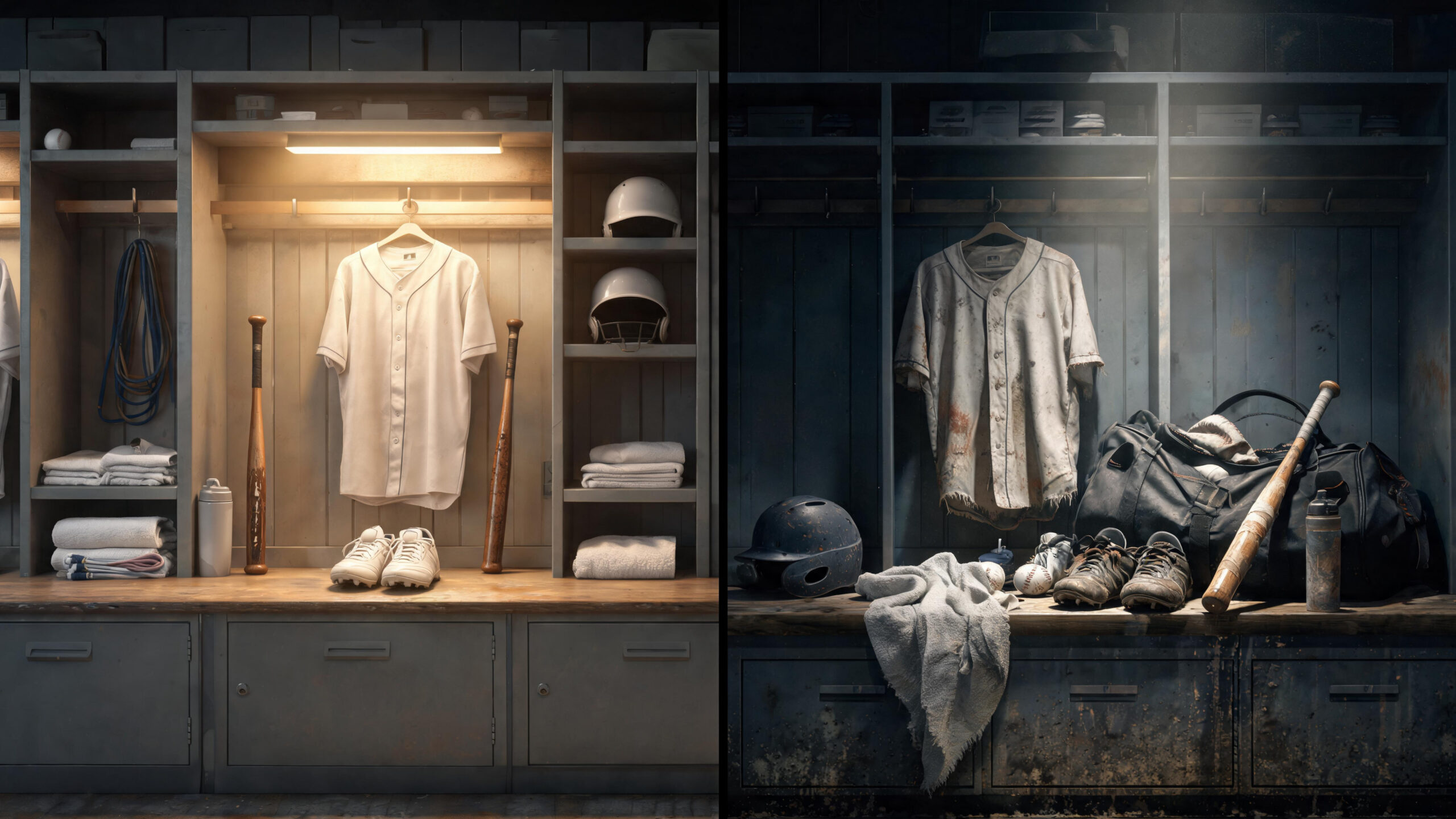
Together, they show baseball’s full range. One side is the ladder. The other is the comeback trail. One side is development. The other is survival. Both are filled with athletes chasing dreams under the lights.
Baseball Beyond the Major Leagues
The beauty of baseball is that it does not belong only to MLB. It lives in small towns, regional parks, converted stadiums, summer road trips, and local traditions. Minor League Baseball and independent baseball both prove that the sport’s heartbeat extends far beyond the major league spotlight. Independent baseball vs Minor League Baseball is not just a comparison of business models. It is a comparison of two powerful baseball journeys. One is connected to the official pipeline. The other is powered by grit, creativity, and belief. Both keep the game alive in places where baseball still feels personal.