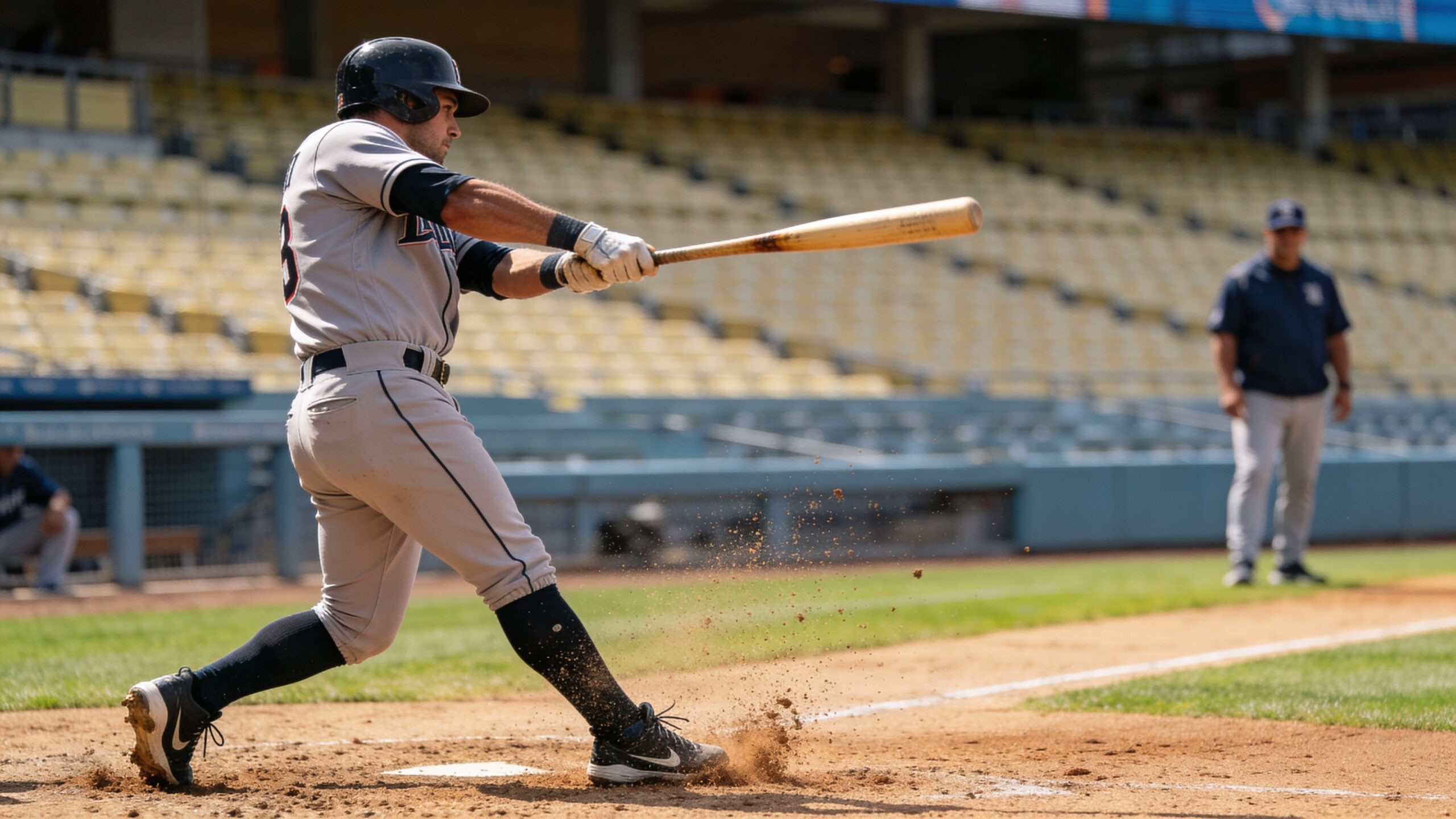
The Foundation of Professional Baseball
Minor League Baseball is the developmental backbone of Major League Baseball, a layered system designed to cultivate raw talent into elite performance. While the spotlight often shines on the major leagues, every star player’s journey begins in the minors, where skills are refined, weaknesses are exposed, and consistency is built. The system is not simply about playing games; it is a carefully structured pipeline where organizations invest time, coaching, and resources into shaping future contributors. At its core, the minor league system operates as an extension of MLB teams. Each franchise maintains a network of affiliated teams across multiple levels, collectively known as a farm system. These affiliates serve as developmental checkpoints, allowing players to progress at a pace that matches their ability. The structure ensures that talent is continuously evaluated, adjusted, and prepared for the demands of the highest level of competition.
A: Typically Rookie, Single-A, Double-A, and Triple-A.
A: A network of minor league teams owned by an MLB organization.
A: Through performance, development progress, and team needs.
A: No, only a small percentage make it to the major leagues.
A: Double-A is often considered the biggest challenge.
A: It varies widely based on talent and development speed.
A: They guide skill development and performance improvement.
A: Yes, extensively to refine performance and strategy.
A: The highest minor league level before MLB.
A: It prepares players for the demands of the major leagues.
Understanding the Farm System Structure
Every MLB organization controls a farm system made up of several affiliated teams spread across different competitive tiers. These teams are geographically diverse but strategically aligned with their parent club. The purpose of this system is to create a controlled environment where players can develop within the organization’s philosophy, from hitting mechanics to pitching strategies.
The farm system is designed with scalability in mind. Younger or less experienced players begin at lower levels, where the emphasis is on fundamentals and adaptation to professional play. As players improve, they are promoted to higher levels, where competition intensifies and expectations grow. This tiered progression allows organizations to monitor development closely while maintaining a steady pipeline of talent ready to step into the major leagues when needed.
The Levels of Minor League Baseball Explained
Minor League Baseball is divided into distinct levels, each representing a stage in a player’s development. These levels are not merely labels; they reflect differences in skill, experience, and readiness for advancement. The journey typically begins at the lowest levels and gradually moves upward as players demonstrate growth and consistency.
Rookie-level leagues serve as the entry point for many newly drafted or internationally signed players. Here, the focus is on acclimation to professional routines, coaching systems, and the pace of the game. As players progress, they enter Single-A, which is often split into Low-A and High-A. These levels introduce more structured competition and begin to emphasize performance alongside development.
Double-A is widely regarded as a critical testing ground. At this level, players face advanced competition, including prospects with refined skills and strong baseball instincts. Success here often signals legitimate major league potential. Triple-A represents the final step before the MLB, where players are typically polished and ready to contribute. This level often includes a mix of top prospects and experienced players providing depth for the major league roster.
Player Development: More Than Just Talent
Development in the minor leagues extends far beyond natural ability. Organizations invest heavily in coaching, analytics, and individualized training programs to maximize each player’s potential. Every aspect of performance is analyzed, from swing mechanics to pitch velocity and defensive positioning.
Coaches play a central role in this process, working closely with players to refine techniques and build consistency. Strength and conditioning programs are tailored to enhance durability and performance, while mental training helps players handle the pressures of professional competition. The goal is not only to improve skills but also to prepare players for the mental and physical demands of the major leagues. Modern development strategies also incorporate advanced technology. High-speed cameras, motion tracking systems, and data analytics provide insights that were once unavailable. These tools allow organizations to make precise adjustments, helping players improve more efficiently and reduce the risk of injury.
The Path from Prospect to Professional
The journey through the minor leagues is rarely linear. Players are promoted, reassigned, or even released based on performance and organizational needs. This dynamic environment creates both opportunity and pressure, as every game can influence a player’s trajectory.
Promotions are earned through consistent performance and demonstrated readiness for the next level. A player dominating at one level may quickly move up, while others may spend extended time refining specific skills. The ultimate goal is to reach the major leagues, but the timeline varies widely depending on talent, position, and organizational depth.
For many players, the transition from prospect to professional contributor involves overcoming setbacks. Injuries, slumps, and adjustments to higher competition are all part of the process. Those who succeed are often the ones who adapt quickly, maintain focus, and continue improving despite challenges.
The Role of Affiliates and Team Strategy
Minor league affiliates are not independent entities; they are integral parts of an MLB organization’s strategy. Each affiliate operates under the guidance of the parent club, following specific development plans and philosophies. This alignment ensures consistency across all levels, allowing players to transition smoothly as they advance.
Affiliates also play a role in roster management. Players can be moved between levels based on performance, injuries, or strategic needs. This flexibility allows organizations to respond quickly to changes while maintaining a balanced development pipeline. The relationship between the major league team and its affiliates is essential for sustaining long-term success.
Life in the Minor Leagues
Life as a minor league player is demanding, both physically and mentally. The schedule is rigorous, with frequent travel and limited downtime. Players must maintain peak performance while adapting to different environments and competition levels. Despite these challenges, the minor leagues offer invaluable experience. Players learn discipline, resilience, and the importance of preparation. These lessons extend beyond the field, shaping the mindset required to succeed at the highest level. The environment fosters growth not only as athletes but also as professionals.
The Impact of the MLB Draft and International Signings
The pipeline of talent into the minor leagues is fueled by the MLB Draft and international signings. Each year, teams select players from high schools, colleges, and global markets, adding new prospects to their farm systems. These players enter the developmental pipeline with varying levels of experience and potential.
The draft provides a structured way to acquire domestic talent, while international signings expand the reach of organizations worldwide. Together, these systems ensure a continuous flow of new players, each bringing unique skills and backgrounds. The integration of these prospects into the minor league system is a critical step in maintaining competitive balance across MLB.
How Analytics Are Reshaping Development
Analytics have transformed the way players are developed in the minor leagues. Data-driven insights allow organizations to identify strengths and weaknesses with unprecedented accuracy. This information guides training programs, game strategies, and even player positioning. The use of analytics extends to every aspect of the game. Pitchers analyze spin rates and movement profiles, while hitters study launch angles and contact quality. These metrics provide a deeper understanding of performance, enabling targeted improvements. The result is a more efficient and effective development process that accelerates player growth.
Challenges and Realities of the System
While the minor league system is designed to develop talent, it is not without challenges. Limited roster spots and intense competition mean that not every player will reach the major leagues. The journey requires perseverance, adaptability, and a willingness to continuously improve.
Players must also navigate the realities of professional baseball, including financial constraints and demanding schedules. These factors add complexity to the development process, testing a player’s commitment and resilience. Despite these challenges, the system remains the most effective pathway for producing major league talent.
The Future of Minor League Baseball
Minor League Baseball continues to evolve, shaped by changes in technology, player development strategies, and organizational priorities. Recent restructuring efforts have streamlined the system, focusing on efficiency and improved conditions for players. These changes aim to enhance the overall development experience while maintaining the integrity of the pipeline. Looking ahead, the integration of advanced analytics and training methods will likely continue to refine the system. Organizations are constantly seeking new ways to maximize potential and reduce risk. As the game evolves, so too will the methods used to develop its future stars.
Why Minor League Baseball Matters
Minor League Baseball is more than a stepping stone; it is the foundation upon which the sport is built. Every pitch, swing, and decision at the major league level is influenced by the development that takes place in the minors. The system ensures that players are prepared not only to compete but to excel.
Understanding how the minor leagues work provides a deeper appreciation for the game. It reveals the complexity behind player development and the effort required to reach the highest level. For fans, it offers a glimpse into the future, where the next generation of stars is being shaped one game at a time.