Why Game Calling Defines Great Catching
A catcher’s job begins long before the ball hits the mitt. While many fans focus on blocking, throwing, and receiving, game calling is the deeper craft that often separates average catchers from the ones pitchers trust completely. The catcher is baseball’s field general, the one player who sees the whole diamond, understands the game situation, and helps shape every pitch with purpose. Calling a game well is not just about choosing fastball or curveball. It is about reading the moment, understanding the hitter, protecting the pitcher, and guiding the defense through pressure. That is why elite catchers are often described as extensions of the coaching staff. They make hundreds of decisions in a single game, many of them in seconds. A great game caller can slow the game down for the pitcher, speed it up against a vulnerable hitter, and create patterns that quietly tilt the odds inning after inning. Behind the plate, intelligence is just as important as toughness. Sometimes it is even more important.
A: It means guiding pitch selection, sequencing, tempo, and strategy from behind the plate.
A: Often they do, though coaches and pitchers may influence the plan.
A: It gives the catcher more control over the rest of the at-bat.
A: It is the order and purpose behind pitch choices throughout an at-bat.
A: It helps well-located pitches get called strikes and strengthens the plan.
A: Observation, preparation, experience, and attention to small adjustments.
A: Yes, great catchers adjust constantly based on command and hitter reactions.
A: It is essential because confident pitchers execute more freely.
A: Yes, because catchers steady pitchers and organize the defense.
A: Making fast, smart decisions while handling constant physical and mental pressure.
Seeing the Field from the Best Seat in Baseball
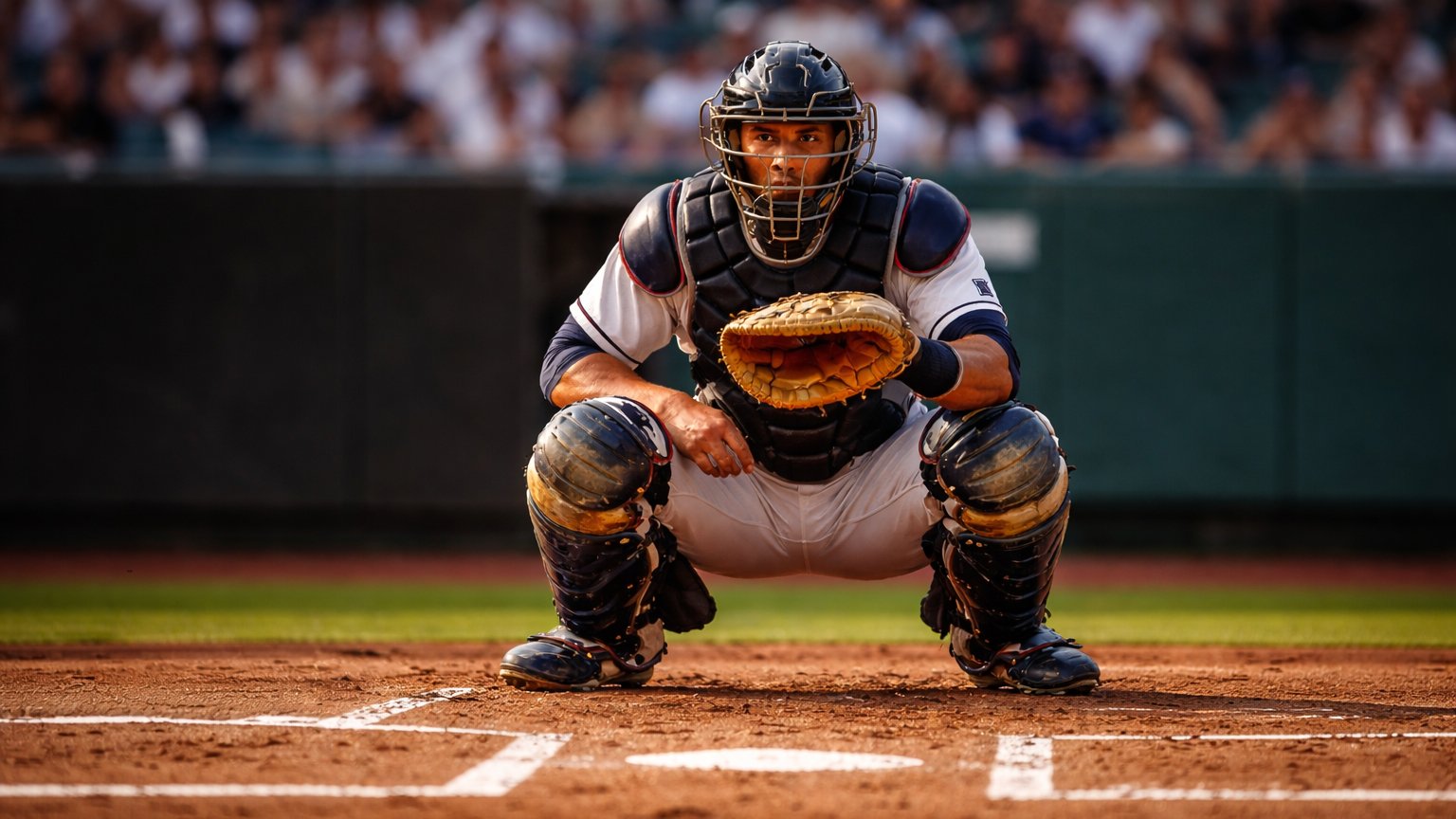
The catcher has the only defensive position facing the entire field. That angle changes everything. From behind home plate, the catcher can see the hitter’s setup, the runner’s lead, the infield alignment, the outfield depth, and the pitcher’s body language all at once. This viewpoint makes the catcher the natural organizer of the defense and the most important in-game strategist on the field.
Because of that perspective, game calling is not isolated from the rest of baseball. It is connected to every moving part. A catcher is not just calling for a slider because the pitcher likes the pitch. The catcher is weighing the count, the hitter’s approach, the pitcher’s command that inning, the umpire’s zone, the score, the inning, and the risk of a runner advancing. Great game callers think in layers. They understand that one pitch affects the next one, and one at-bat can influence the entire inning.
Preparation Starts Before the First Pitch
Calling a baseball game like a pro catcher starts well before game time. The best catchers do a huge amount of preparation in advance. They study scouting reports, review hitter tendencies, learn hot zones and cold zones, and talk with pitchers about what feels sharp that day. Preparation turns instinct into something more reliable. It allows the catcher to make fast decisions that are rooted in information rather than guesswork. This work also builds confidence. When a catcher knows that a hitter struggles with elevated velocity or chases breaking balls off the outer edge with two strikes, each sign becomes more intentional. Preparation is not about memorizing every possible outcome. It is about walking into the game with a map, then adjusting when reality forces a different route. The catcher who prepares well calls with calm authority instead of uncertainty.
Understanding Your Own Pitcher First
A pro-level game caller begins with the pitcher, not the hitter. Catchers must know exactly who they are working with on that day. What is the pitcher’s best pitch right now, not last week? Which secondary pitch can land for a strike? What pitch does the pitcher trust when behind in the count? Which sequences help the pitcher stay aggressive? Great catchers understand that a smart plan must fit the pitcher’s strengths and present-day command.
This is where trust is built. Pitchers want to feel that the catcher understands them, not just the scouting report. Some pitchers need a steady rhythm. Others need to be slowed down. Some want to attack early. Others are better when working carefully around danger spots. Calling a game like a pro means learning how to bring out the best version of each pitcher. The catcher is not forcing a philosophy onto the mound. The catcher is guiding performance.
Reading the Hitter with Real Intent
Reading hitters is one of the most important skills in game calling. Catchers notice details that others miss. They look at posture in the box, bat angle, timing moves, hand position, stride length, and emotional changes after each pitch. A hitter sitting on a fastball often looks different from a hitter trying to survive with two strikes. These signals are subtle, but elite catchers build a full picture from them. This is where baseball becomes a chess match. A catcher studies not just what a hitter did last week, but what the hitter seems ready to do right now. Is the hitter cheating to get to velocity? Is the front side flying open? Is the swing path built for lifting the ball? Is the hitter taking borderline strikes early? The catcher collects these clues and uses them to shape pitch selection. Game calling becomes powerful when it moves beyond generic patterns and responds to the actual opponent in the box.
Pitch Sequencing Is the Heart of the Craft
Pitch sequencing is where real game calling lives. Anyone can put down a sign for a good pitch. The art is knowing why that pitch belongs in that moment and how it connects to everything that came before it. Great catchers think in sequences, not isolated pitches. They use one pitch to set up another, one location to open up a different quadrant, and one look to create doubt in the hitter’s mind.
Good sequences disrupt comfort. A hitter who sees the same speed or the same tunnel too often begins to settle in. A catcher’s job is to keep that from happening. That can mean climbing the ladder after soft stuff away, doubling up on a breaking ball when the hitter expects heat, or stealing a first-pitch strike to swing the count. The best catchers understand that game calling is often about making hitters doubt their assumptions. Once doubt enters the at-bat, the catcher gains control.
Winning the Count Changes Everything
One of the simplest truths in baseball is that the count often decides the at-bat. When the pitcher gets ahead, the catcher gains options. The zone expands, chase pitches become more dangerous, and hitters become more defensive. When the pitcher falls behind, the hitter can narrow the focus and sit on something more predictable. That is why great catchers are obsessed with getting strike one and protecting leverage throughout the count. Calling a game like a pro means understanding count pressure. In 0-0 counts, the catcher may want to steal a strike or establish a tone. In 0-2, the goal changes from simply throwing a strike to expanding the hitter’s decisions. In hitter’s counts, the catcher must know what the pitcher can command and what kind of contact is acceptable. A ground ball to the left side may be a win in one situation, while a foul pop is the real target in another. The count changes the conversation on every pitch.
Framing Helps Finish the Plan
Framing is not separate from game calling. It is one of the tools that makes the plan work. A well-called pitch on the edge only helps if it is received cleanly and presented convincingly. Great catchers understand how to work with the strike zone by receiving the ball softly, keeping the glove quiet, and giving borderline pitches the best possible chance to be called strikes. That skill changes counts, and changing counts changes games.
The best framing is subtle. It does not yank or exaggerate. It starts with good body positioning, balance, and timing. A catcher who receives from a stable base can make tough pitches look calm and catchable. This matters especially in close games, where one extra strike early in the count can reshape an entire inning. Framing will not rescue bad game calling, but when paired with smart pitch selection, it becomes a quiet weapon.
Controlling Tempo and Rhythm
Great catchers also control the tempo of the game. They know when to keep a pitcher moving and when to slow things down. A pitcher in rhythm often benefits from a quicker pace, especially when confidence is building. A rattled pitcher may need a breath, a mound visit, or a simpler sign sequence. Catchers can sense when the game is speeding up and when it needs to settle. Tempo also affects hitters. Some hitters love a smooth rhythm and feel less comfortable when the pace changes. A catcher who understands rhythm can use it as part of the strategy. By managing the space between pitches, the catcher helps shape the emotional flow of the inning. This is one of the least discussed parts of game calling, yet it often reveals how advanced a catcher truly is.
Calling with Runners on Base
The game becomes more complicated the moment runners reach base. Suddenly the catcher must consider stolen-base threats, pitchouts, blocking risk, possible bunts, the speed of the runner, and the pitcher’s ability to hold men. Calling a baseball game like a pro catcher means understanding that not every ideal pitch is practical once the running game enters the picture.
This is where situational intelligence matters most. A nasty breaking ball in the dirt may be perfect against the hitter, but reckless with a runner on third. A slow-breaking pitch may invite a stolen base if the runner at first gets a great jump. Great catchers balance swing-and-miss potential with risk management. They do not abandon aggression, but they call with awareness of the full scoreboard situation. The best decision is not always the flashiest pitch. It is the pitch that protects the inning.
Handling Trouble Without Losing the Game
Even the best plans break down. Pitchers lose command. Hitters make adjustments. Umpires shift their zones. Weather changes grip and movement. Great catchers are valuable because they can recognize trouble early and steer the game back under control. That may mean simplifying signs, going back to the pitcher’s most trusted pitch, or using a mound visit to reset confidence before frustration compounds. This adaptability is what makes game callers look calm under pressure. They are not committed to a plan just because it looked good before first pitch. They are committed to solving the game as it unfolds. A pro catcher is constantly asking what is working now, what is not, and how to move the inning back toward safer ground. The ability to adjust is every bit as important as the ability to prepare.
Leadership Behind the Plate
Leadership is one of the biggest differences between a catcher who receives and a catcher who controls. Teammates look to the catcher for signals, energy, and clarity. Pitchers especially depend on the catcher’s demeanor. If the catcher looks rushed, frustrated, or uncertain, the pitcher often feels it immediately. If the catcher looks steady and prepared, the whole battery feels more connected.
Real leadership is practical. It shows up in calm body language, confident signs, mound visits with purpose, and communication that clears the mind rather than adding noise. A pro catcher knows when to challenge a pitcher, when to encourage, and when to say very little. Leadership is not about speeches. It is about giving the team a reliable center during moments that feel unstable.
Communication Makes the Strategy Real
A game plan is only as good as the communication behind it. Catchers must communicate with pitchers, infielders, coaches, and sometimes even the outfield defense depending on the situation. Signs must be clean, intentions must be clear, and adjustments must happen quickly. Great catchers simplify information so everyone can act fast without confusion. This is especially important with pitchers who may be emotional or inexperienced. The catcher often becomes the translator between strategy and execution. A complicated scouting report does not matter if the pitcher cannot commit to the next sign. Pro catchers turn information into confidence. They make the game feel manageable, even in innings full of stress.
The Mental Side of Game Calling
Calling a baseball game is mentally demanding because it never stops. Every pitch asks a new question. Every foul ball and take and swing adds new information. Catchers must hold all of it while staying physically engaged behind the plate. That mental load is why game calling is one of the hardest skills to master. It demands memory, discipline, emotional control, and quick decision-making.
The best catchers also recover fast from mistakes. A bad sign, a missed frame, or a well-hit ball cannot linger. The inning keeps moving. Mental toughness for a catcher means learning quickly, adjusting immediately, and staying focused on the next pitch. That ability to reset is one reason great catchers seem so composed. They are not perfect. They are simply excellent at moving forward.
What Makes a Pro Catcher Sound Different
One of the clearest signs of an advanced game caller is the way the game sounds through their choices. Their sequencing has purpose. Their mound visits are short and direct. Their reactions do not spike wildly after setbacks. They make the game feel organized. Even when the pitcher is battling, the inning still feels like it belongs to the defense rather than the offense. That is the difference between reacting and controlling. Many catchers can receive a game. Far fewer can shape one. Pro catchers understand that every inning has a story, and they are trying to write it before the hitter does. They think ahead, but they stay flexible. They use preparation, trust, framing, sequencing, and leadership together rather than as isolated skills. That complete package is what real game calling looks like.
Calling the Game Means Controlling the Game
To call a baseball game like a pro catcher is to combine preparation, observation, strategy, composure, and leadership into one continuous act of control. The catcher studies before the game, reads the pitcher and hitter during the game, sequences pitches with intent, uses framing to win edges, adjusts when the plan shifts, and keeps the team steady through stress. It is one of the most demanding responsibilities in sports, and one of the least appreciated by casual fans.
But inside the game, everyone feels it. Pitchers feel it when they trust the sign. Coaches feel it when innings stay organized. Hitters feel it when they never quite get comfortable. That is the power of elite game calling. A great catcher does not simply respond to the game. A great catcher guides it, shapes it, and often owns it pitch by pitch until the final out.