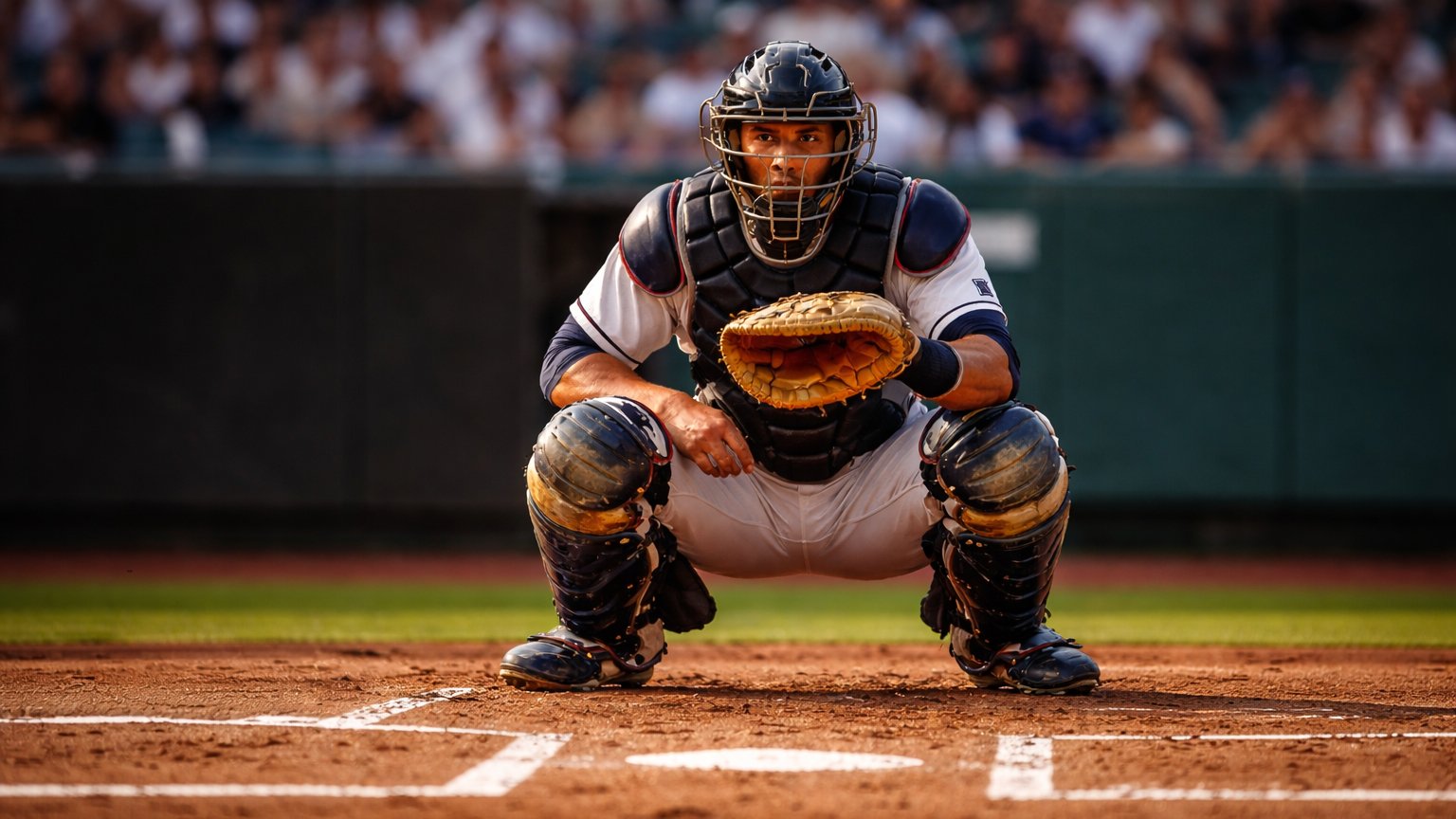
The Catcher as the Field General
The catcher is the only player on the field who sees everything. Positioned behind home plate, they have a full view of hitters, pitchers, baserunners, and defensive alignments. This unique perspective transforms the catcher into the strategic brain of the team, responsible for orchestrating each pitch and managing the flow of the game. While other players react, catchers anticipate. Every decision—from pitch selection to defensive positioning—flows through them. Their ability to process information quickly and communicate effectively determines how smoothly the game unfolds, making them the quiet architects of success.
A: Usually yes, though coaches may provide input.
A: Presenting pitches to increase strike calls.
A: They manage the entire defense.
A: Yes, through shake-offs.
A: Through scouting and experience.
A: Many consider it the most demanding.
A: IQ, leadership, and consistency.
A: Yes, extensively.
A: It’s essential for success.
A: Yes, especially in close counts.
Pitch Calling: The Foundation of Control
Pitch calling is the catcher’s most influential responsibility. Every sign flashed between the legs represents a calculated decision based on count, hitter tendencies, pitcher strengths, and game context. It is not guessing—it is strategic prediction shaped by preparation and instinct.
Great catchers understand sequencing, the art of setting up hitters over multiple pitches. They rarely aim for immediate results; instead, they build patterns, disrupt timing, and create uncertainty. A well-called game feels invisible to spectators, but its impact is constant and decisive.
Reading Hitters and Predicting Outcomes
Elite catchers develop an advanced ability to read hitters. They analyze stance, timing mechanisms, swing paths, and emotional cues. Even subtle changes—a tighter grip, a deeper stance, or hesitation—can signal what a hitter is anticipating. This awareness allows catchers to stay one step ahead. Instead of reacting to swings, they guide at-bats toward predictable outcomes. By identifying weaknesses and adjusting pitch selection accordingly, they turn guesswork into controlled execution.
The Art of Pitch Sequencing
Pitch sequencing is where strategy becomes artistry. A single pitch rarely defines an at-bat; it is the combination and order that matters. Catchers use fastballs to set up off-speed pitches, or break expectations by doubling up on unexpected choices.
The goal is disruption. Hitters thrive on rhythm and predictability, and catchers work to dismantle both. By varying location, speed, and pitch type, they create doubt in the hitter’s mind, often leading to weak contact or missed swings.
Framing: Turning Margins into Advantage
Framing is the subtle skill of presenting pitches in a way that increases the likelihood of a strike call. It is not about deception in a dishonest sense, but about precision, control, and timing. The catcher receives the ball softly and stabilizes the glove to make the pitch appear clean and controlled. At higher levels, framing can change entire innings. A borderline pitch called a strike shifts counts, builds pressure on hitters, and opens new strategic options. Over the course of a game, these small advantages accumulate into meaningful impact.
Mechanics Behind Elite Framing
Great framing begins before the pitch is even thrown. Catchers position their bodies to receive pitches efficiently, minimizing unnecessary movement. Quiet hands, strong wrists, and balanced posture allow them to absorb velocity without jerking the glove.
Timing is equally critical. The glove must arrive at the pitch smoothly, avoiding exaggerated movements that draw attention. The best framers make difficult pitches look routine, blending technique with subtlety to influence the umpire’s perception.
Building Trust with the Pitcher
A catcher’s relationship with the pitcher is the foundation of game control. Trust allows pitchers to commit fully to each pitch without hesitation. When a pitcher believes in the catcher’s plan, execution improves naturally. This trust is built through communication, consistency, and support. Catchers learn each pitcher’s tendencies, strengths, and emotional responses. They know when to challenge, when to simplify, and when to provide reassurance, creating a partnership that elevates performance.
Managing Different Pitching Styles
Not all pitchers are the same, and catchers must adapt accordingly. Power pitchers may rely on velocity and dominance, while finesse pitchers depend on movement and precision. Each requires a tailored approach to pitch calling and sequencing.
Catchers adjust their strategies to maximize strengths and minimize weaknesses. They may emphasize location for one pitcher and deception for another. This adaptability ensures that every pitcher operates within a framework that suits their unique abilities.
Controlling Tempo and Game Flow
Tempo is an often-overlooked aspect of control. Catchers influence how quickly or slowly the game moves, affecting both pitchers and hitters. A deliberate pace can disrupt a hitter’s rhythm, while a quicker tempo can keep a pitcher in a strong mental state. By managing time between pitches, mound visits, and defensive readiness, catchers shape the emotional rhythm of the game. This subtle control can shift momentum without a single pitch being thrown.
Leadership Behind the Plate
Leadership is what transforms a skilled catcher into a great one. Catchers communicate with the entire defense, calling plays, directing positioning, and maintaining awareness of every situation. They are the voice that connects strategy to execution.
This leadership extends beyond mechanics. Catchers set the tone for effort, focus, and accountability. Their presence influences the team’s confidence and cohesion, making them central figures in both performance and culture.
Communication and Clarity
Clear communication is essential for effective game control. Catchers use a combination of signals, body language, and verbal cues to coordinate with pitchers and fielders. Miscommunication can lead to mistakes, so precision is critical. The best catchers simplify complex situations. They provide clear plans and eliminate uncertainty, allowing teammates to focus on execution. This clarity strengthens trust and reduces hesitation in high-pressure moments.
Handling Pressure Situations
High-pressure moments reveal the true value of a catcher. With runners on base, tight scores, and late innings, the margin for error narrows. Catchers must remain composed, making confident decisions despite the stakes.
Their ability to stay calm influences the entire team. A steady presence behind the plate reassures pitchers and maintains defensive stability. In these moments, leadership and preparation combine to guide the team through challenges.
Adjusting Mid-Game
No game follows a perfect script. Hitters adjust, pitchers struggle, and conditions change. Catchers must recognize these shifts and adapt quickly, altering strategies to maintain control. This adaptability separates average catchers from elite ones. By identifying patterns and responding effectively, they keep the game within manageable boundaries, even when circumstances become unpredictable.
Defensive Coordination and Awareness
Catchers are responsible for aligning the defense with the game plan. They signal positioning, anticipate plays, and ensure that every player is prepared for potential outcomes. Their awareness extends beyond the batter to include baserunners and situational factors.
This coordination creates a unified defensive effort. When every player understands their role, execution becomes more efficient, and the team operates as a cohesive unit.
The Mental Game of Catching
Catching is as much mental as it is physical. The constant decision-making, communication, and pressure require focus and resilience. Catchers must think ahead while remaining present, balancing strategy with execution. This mental discipline allows them to process information quickly and make confident decisions. It also enables them to recover from mistakes, maintaining composure and effectiveness throughout the game.
Preparation and Game Planning
Preparation begins long before the first pitch. Catchers study scouting reports, analyze hitter tendencies, and develop game plans tailored to each opponent. This groundwork provides a strategic foundation for in-game decisions.
Effective preparation reduces uncertainty. With a clear plan in place, catchers can make quicker, more confident decisions, allowing them to stay ahead of the game rather than reacting to it.
The Hidden Impact of Catchers
Many of a catcher’s contributions go unnoticed. Successful pitch sequences, well-framed strikes, and effective communication rarely appear in statistics, yet they shape the outcome of every game. This hidden impact underscores the importance of the position. Catchers influence results not through visibility, but through consistency and control, making them indispensable to team success.
What Separates Good Catchers from Great Ones
The difference between good and great catchers lies in consistency and awareness. Great catchers execute fundamentals reliably while maintaining a deep understanding of the game. They combine technical skill with strategic thinking and leadership.
Their ability to influence every aspect of the game sets them apart. They do not simply participate—they control, guide, and elevate the performance of those around them.
The Ultimate Control Position
Catching is the most demanding and influential position in baseball. Through pitch calling, framing, and leadership, catchers shape the game in ways that extend far beyond individual plays. Their decisions ripple through every inning, influencing outcomes and defining team identity. To master catching is to master control. It requires intelligence, preparation, communication, and composure. When these elements come together, the catcher becomes more than a player—they become the force that drives the entire game forward.