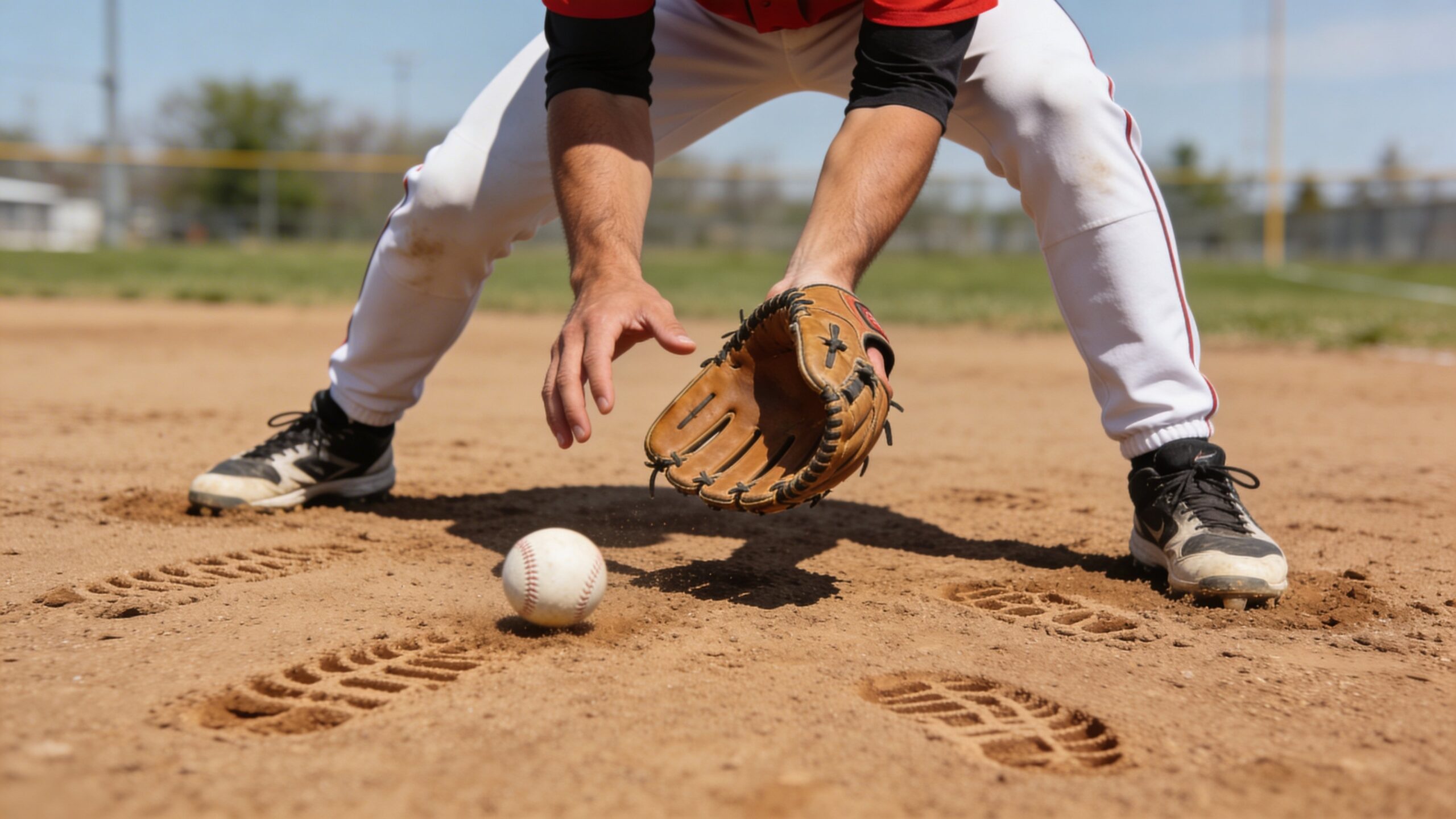
Why Ground Ball Fielding Matters So Much
Few defensive skills shape a player’s reliability more than the ability to field a ground ball cleanly. Ground balls come fast, slow, straight, spinning, skipping, and hopping at awkward angles, which makes them one of the most demanding routine plays in the game. For beginners, they can feel chaotic. For experienced players, they become a test of discipline, timing, and trust in mechanics. What separates a steady defender from an inconsistent one is rarely pure talent. More often, it is the ability to repeat the same sound movements under pressure. Fielding a ground ball perfectly every time is not really about perfection in the literal sense. Baseball does not allow that. Bad hops happen, dirt shifts, and speed changes in an instant. What players can control is their process. Proper fielding mechanics give structure to the play, helping the body arrive in balance, the glove arrive on time, and the transition into the throw stay efficient. That structure is what turns defense from guesswork into something dependable.
A: Getting the body in position early with balanced footwork.
A: It improves visibility, control, and the speed of the transfer.
A: In most routine situations, two hands create better security and control.
A: They often stand too tall, rush the hop, or field the ball too deep.
A: Practice repeated ground balls and focus on timing rather than guessing.
A: It means receiving the ball smoothly instead of stabbing at it.
A: Low enough to keep the glove near the ground while staying athletic and balanced.
A: Footwork usually determines whether the glove arrives in the right place at the right time.
A: Strong mechanics make fast plays feel more controlled.
A: Yes, if they focus on repeatable fundamentals and consistent reps.
The Ready Position Starts the Play Before It Happens
A ground ball is fielded long before the glove touches the ball. The process begins in the ready position, which prepares the body to react without wasted motion. The best ready position is athletic, relaxed, and active. The feet are slightly wider than shoulder width, the knees are bent, the hips are loaded, and the chest leans forward just enough to keep the body engaged. The hands are loose, not stiff, and the eyes are focused on the hitter.
Beginners often make the mistake of standing too tall or settling too flat-footed before contact. That small error creates a late first step, and a late first step changes everything that follows. When the body begins in an athletic posture, movement becomes quicker and smoother. The player is not trying to wake up the body after the ball is hit. The body is already prepared to move, read, and react.
Reading the Ball Off the Bat
The first read is one of the most important parts of fielding a ground ball well. The moment the bat meets the ball, the fielder must begin processing speed, angle, trajectory, and spin. A slow roller demands patience and attack. A sharply hit one-hopper requires quick positioning and quiet hands. A ball with topspin may stay down and accelerate, while a ball with sidespin may drift off line late. This first read is where confident fielders gain time. They are not faster because they run more quickly in every case. They are faster because they identify the play sooner. Beginners improve this skill through repetition and attention. The more ground balls a player sees, the more clearly the brain recognizes patterns. That experience creates better anticipation, and better anticipation makes every later mechanical step easier.
Moving to the Ball Under Control
Once the ball is read, the next job is to move the feet efficiently. Good fielders do not drift into the ball. They work into it with purpose. The goal is to arrive under control, with the body balanced and square enough to field cleanly and continue into the next action. Quick feet matter, but controlled feet matter more. Rushing into the ball without body control often creates the very error a player was trying to avoid.
Approaching the ball well means taking clean angles and adjusting the stride length as the player gets closer. Long running steps may get a player near the ball, but short, controlled steps help the body settle into fielding position. This is where many beginners begin to feel the difference between chasing the ball and owning the play. Controlled movement allows the glove, feet, and eyes to work as one.
Getting the Body in the Right Fielding Position
Proper body position is one of the clearest signs of sound fielding mechanics. The chest should be over the knees, the knees should be flexed, and the back should remain flat enough to keep the head steady and eyes level. The glove reaches out in front of the body while the throwing hand stays ready near the glove to secure the ball. The feet should create a stable base, not a narrow or awkward platform that forces the upper body to compensate. The idea is simple but essential: field the ball from a strong athletic posture rather than from a reach. When players reach, they lose balance. When they lose balance, their glove path, hand timing, and throwing transition all become more difficult. A good fielding position lets the ball travel into the body’s working area. That is where the player has the most control and the clearest view.
Why Staying Low Changes Everything
The phrase “stay low” is repeated constantly in defensive instruction because it affects nearly every part of the play. Staying low keeps the glove near the natural path of the ground ball. It improves balance, sharpens vision, and gives the body more flexibility to adjust if the hop changes late. It also helps the player move through the ball instead of stopping upright and stabbing at it.
For beginners, staying low does not mean squatting rigidly or collapsing the chest. It means bending athletically from the hips and knees while keeping the body active. A player who stays low can react to a short hop, a high hop, or a ball that kicks sideways. A player who rises too early often turns a routine play into a frantic recovery. The lower body creates the platform, and the upper body follows that platform into a clean fielding motion.
Presenting the Glove the Right Way
A good glove does not rescue poor mechanics, but proper glove presentation can turn sound movement into a clean catch. The glove should be open, relaxed, and pointed naturally toward the ball’s path. It should not stab downward or close early. Instead, it should work softly from the ground up, receiving the ball rather than attacking it in panic. The throwing hand should stay near the glove, ready to secure the ball as soon as it enters. This is where the idea of soft hands becomes practical. Soft hands do not mean weak hands. They mean controlled hands that absorb the ball smoothly. A stiff glove can cause the ball to pop out or deflect. A calm glove angle and soft reception allow the player to control the ball cleanly. Beginners often improve quickly when they stop trying to snatch the ball and start learning to receive it.
Field the Ball Out Front
One of the most important details in ground ball mechanics is fielding the ball out in front of the body. When the ball is fielded out front, the player can see it clearly into the glove, control the hop better, and begin the exchange sooner. This position creates space for adjustment, which is especially useful when the bounce is not perfect.
Fielding the ball too deep, near the feet or underneath the torso, reduces vision and limits control. It also makes the transition into the throw slower and more awkward. Out-front fielding keeps the play in a clean window, where the eyes, glove, and hands can all work together. For beginners, this single adjustment often creates an immediate jump in consistency because it improves both reception and recovery.
Timing the Hop Instead of Guessing at It
Every ground ball has a rhythm, and learning to field one cleanly means learning to match that rhythm. Good fielders do not simply run to the ball and hope the hop cooperates. They control their footwork so they arrive at the right moment, with the right spacing, and let the ball meet the glove in the best possible window. That timing is what separates smooth defense from rushed defense. Beginners sometimes struggle because they focus only on where the ball is going, not when it will get there. Timing matters just as much as angle. By adjusting stride length and tempo during the approach, a fielder can let the play come together naturally. That is especially important on slow rollers, in-between hops, and sharper balls that demand precise setup. Timing the hop well makes the play feel calmer and cleaner.
Working Through the Ball Instead of Waiting on It
Strong defenders do not passively wait for the ground ball to arrive. They work through it with controlled forward energy. That does not mean charging recklessly. It means letting the body move toward the ball so the hands stay active and the momentum flows into the next step of the play. This forward action supports both clean fielding and a quicker throwing setup.
When players sit back on the ball, the play often stalls. The glove can get trapped underneath the body, and the feet stop helping the hands. Moving through the ball keeps the body connected and athletic. It also prevents the habit of reaching across the body or falling backward after the catch. For beginners, learning to work through the ground ball often makes defense look instantly more confident.
The Two-Hand Secure and Clean Transfer
Once the ball enters the glove, the play is only partly complete. The next phase is the secure and transfer. The throwing hand should arrive promptly to cover the ball, creating a controlled two-hand secure that prepares for the exchange. This is not extra movement. It is the bridge between fielding and throwing. A clean secure prevents bobbles and helps the ball move to the throwing hand with less delay. The best transfers are quiet and direct. The player fields the ball, secures it, and begins moving the body into throwing position almost as one connected action. Beginners often pause after the catch, as if the play has reset. It has not. The fielding motion should continue fluidly into the exchange and then into the throw. When that chain stays connected, the whole defensive play becomes faster and more efficient.
Setting the Feet for the Throw
After the ball is secured, the feet must get the body lined up for the throw. This is where balance returns to the center of the play. Even a clean fielding action can be wasted by poor foot alignment after the catch. The feet should gather under control, the shoulders should square to the target, and the body should move into a strong throwing posture without hurry or extra steps.
This part of the play often decides whether the defense simply fields the ball or records the out. A beginner who learns to connect the feet to the throw starts understanding defense as a full sequence rather than separate skills. Fielding is not only about catching the ball. It is about catching it in a way that makes the throw possible, quick, and accurate. That is why the feet remain essential from start to finish.
Adjusting to Slow Rollers, Short Hops, and Tough Bounces
No player gets only perfect hops. That is why proper mechanics must be stable enough to handle imperfect situations. Slow rollers require the fielder to charge under control, time the pickup, and often field with the body in motion. Short hops demand soft hands, a steady head, and confidence in receiving the ball just after the bounce. Bad hops require quick reactions and enough body control to keep the play in front. The key is not abandoning fundamentals when the hop becomes uncomfortable. It is trusting them even more. Staying low, keeping the glove out front, and moving the feet with precision give the player the best chance to survive unpredictable hops. Tough plays may require adjustment, but they still reward clean mechanics. Players who trust their process handle chaos better than players who rely only on instincts.
Common Ground Ball Mistakes Beginners Make
Most fielding errors for beginners come from a few repeat problems. Standing too upright makes the glove late and the body stiff. Reaching with the glove instead of moving the feet creates poor balance. Fielding the ball too deep hides the ball from the eyes and slows the transfer. Rushing the approach makes the hop harder to read. Freezing the feet at the last moment forces the hands to do too much.
The good news is that these issues are all correctable. They are not signs that a player cannot field. They are usually signs that the player is trying to make the play happen with effort instead of letting mechanics organize it. Once the stance, footwork, glove presentation, and timing improve, the game often feels simpler. The same ground ball that once seemed quick and messy begins to look predictable and manageable.
Building Confidence Through Repetition
Confidence in fielding is not built by telling a player to believe. It is built through repetition that proves the mechanics can hold up. Every clean rep teaches the body what proper movement feels like. Every controlled drill sharpens timing, posture, and glove work. Over time, the player stops hoping the play will work and starts expecting it to work because the movements are familiar. That kind of confidence matters when the game speeds up. Pressure exposes shaky mechanics, but it also rewards trained habits. The more often beginners practice proper movement patterns, the more likely those patterns will appear in real games. Reliable defense is built slowly, then revealed suddenly. One day the player realizes routine ground balls no longer feel difficult. They feel like opportunities.
Making Ground Ball Defense a Repeatable Skill
Fielding a ground ball perfectly every time is really about making the play repeatable as often as possible. The ready position, early read, controlled footwork, low body posture, soft glove, out-front catch, and clean transfer all connect into one defensive system. None of those pieces works best in isolation. Together, they create a play that is efficient, calm, and reliable.
For beginners, that is the real goal. Not flashy range, not dramatic highlights, but clean repeatable mechanics that build trust inning after inning. As those mechanics improve, the game begins to slow down. The ball looks easier to read, the body feels easier to position, and the throw comes out cleaner after the catch. Ground ball defense stops being a moment of uncertainty and becomes a part of the game a player can truly own.