Soft Toss Works Best When The Toss Matches The Problem
Soft toss is one of baseball’s most familiar drills, but familiarity can make it sloppy. Too often, one person flips ball after ball from the same spot while the hitter swings without a plan. The drill becomes activity rather than development. Used with purpose, soft toss can fix common swing mechanics problems because it adds timing without overwhelming the hitter. It can reveal rollovers, casting, lunging, poor posture, weak direction, late decisions, and contact-point confusion. The secret is choosing the right variation for the flaw in front of you. A hitter who needs to stay through the ball does not need the same toss as a hitter who leaks forward early.
A: Neither is automatically better. Tee work isolates movement, while soft toss adds simple timing.
A: It depends on the goal, but the tosser should stand safely behind a screen and create the angle being trained.
A: Yes, especially if the same easy flip rewards lunging, pulling off, or swinging without decisions.
A: Short focused rounds of 8 to 15 swings often create better attention than long automatic sets.
A: Yes. Front toss is often the best bridge between side toss and live hitting.
A: The drill may not be adding enough timing, speed, pitch recognition, or pressure.
A: Yes, if the toss is safe, consistent, and tied to one simple goal.
A: Flipping balls without a purpose and letting the hitter repeat the same comfortable swing.
A: No. Direction should match pitch location and drill intent.
A: The hitter's ball flight, balance, and contact point improve in the next more game-like drill.
Soft Toss Adds Just Enough Timing To Expose The Swing
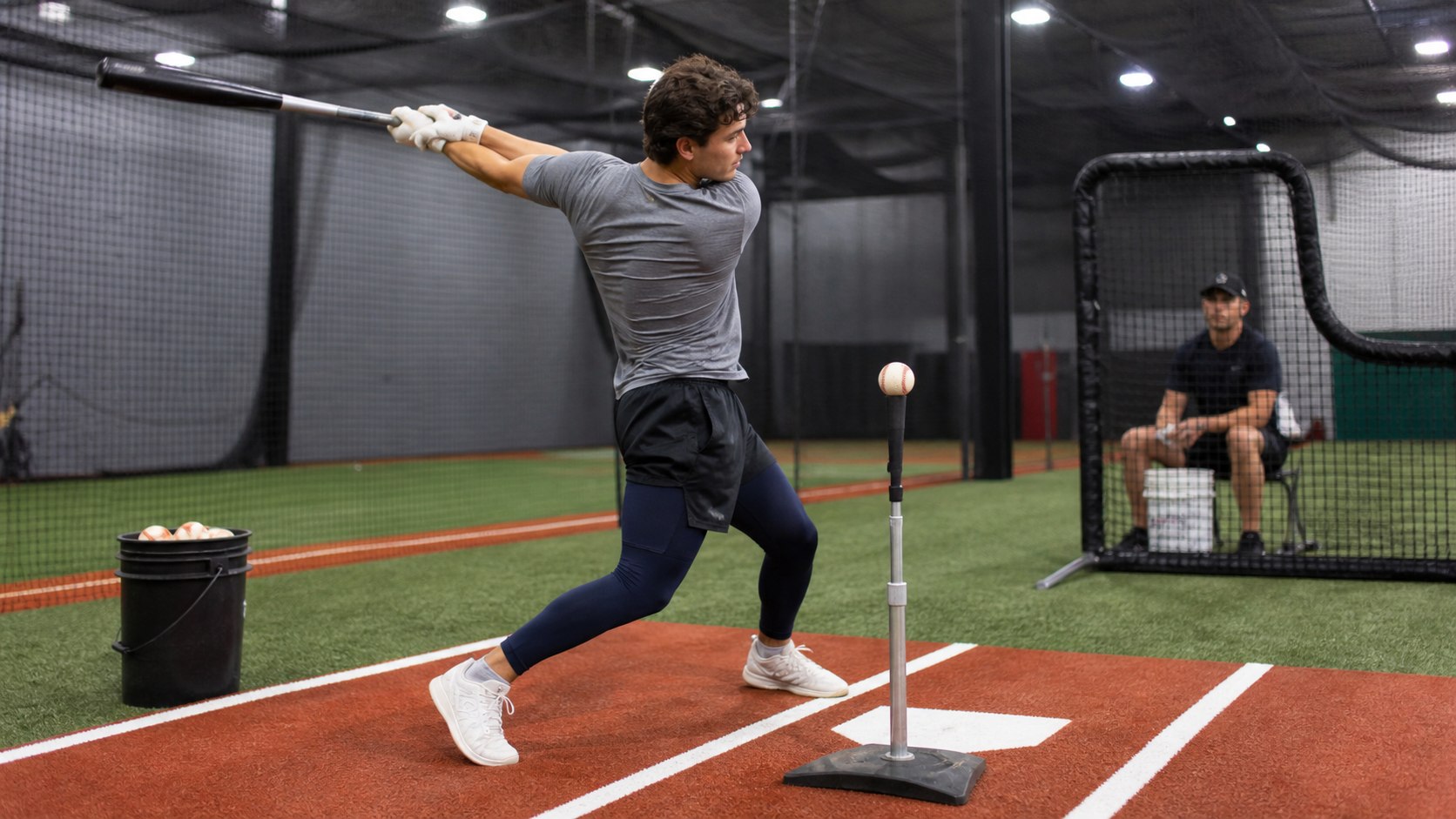
Tee work removes timing almost completely. Live pitching adds so much timing that mechanics can disappear under survival. Soft toss sits in the useful middle. The ball moves, but the hitter still has time to feel adjustments.
That middle ground makes soft toss valuable for fixing mechanics. A hitter cannot simply pose a perfect swing. The ball arrives from a person, and the body has to organize around movement.
The drill becomes powerful when the coach chooses a toss that reveals the exact problem. Random flips can create repetitions, but targeted variations create learning.
Side Toss Is Best For Barrel Direction
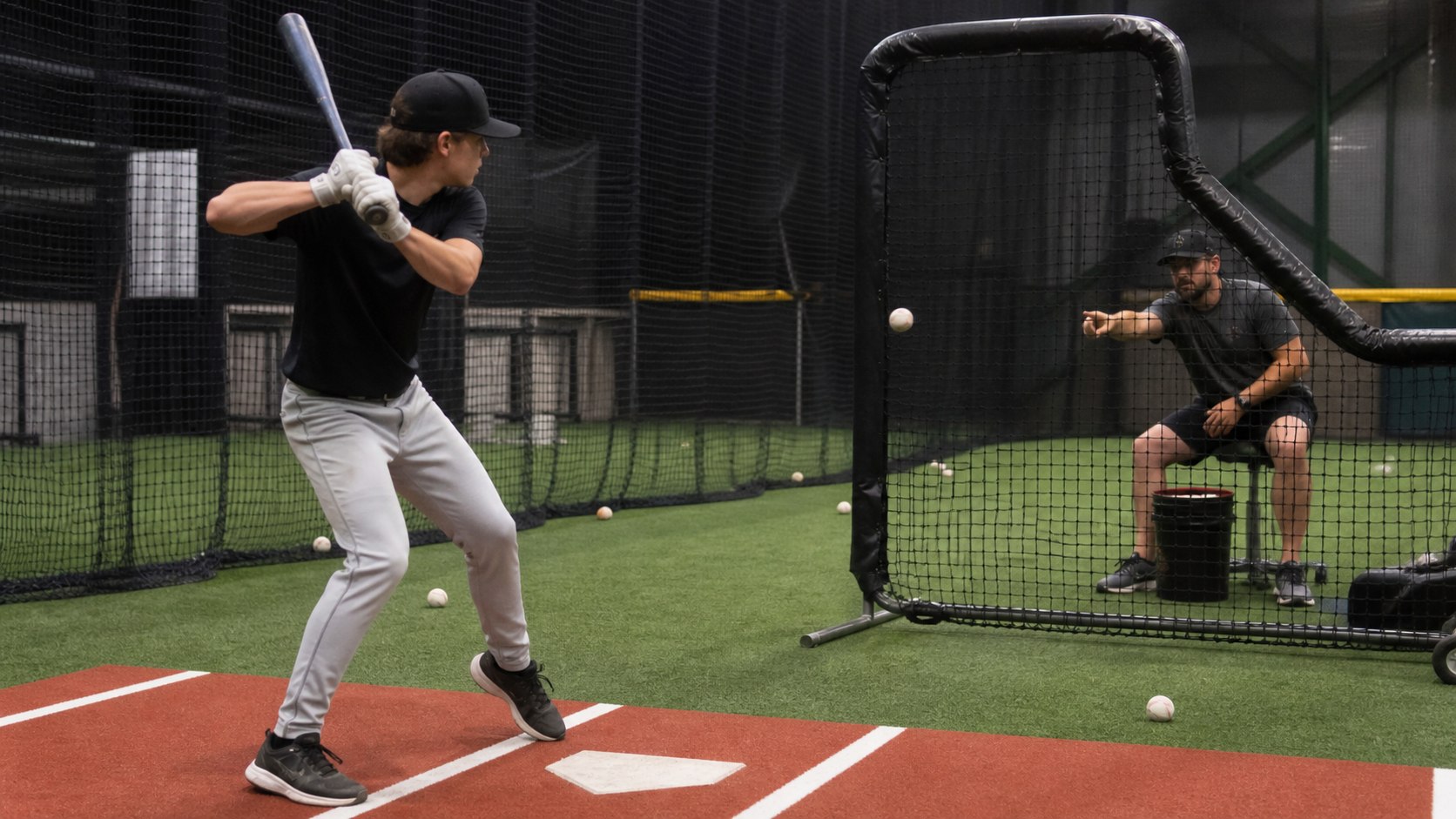
Traditional side toss is useful when the hitter is struggling to stay through the ball. Because the ball enters from the side, the hitter can feel whether the barrel is cutting across, pushing out, or working through contact. The ball flight gives quick feedback.
A hitter rolling over should not be rewarded for hooking loud ground balls. The goal should be a firm line drive that matches the intended field. If the hitter is training middle-away direction, the ball should not constantly yank into the pull-side net.
The tosser also matters. A lazy arc can make the hitter wait forever and then slap. A rushed flip can create panic. The best side toss has rhythm, consistency, and enough movement to require timing.
Side toss should be used carefully with young players. Safety screens, spacing, and clear communication are not optional.
Front Toss Checks Game Transfer
Front toss is often more realistic than side toss because the ball comes from roughly the direction of a pitcher. It lets the hitter test whether a tee or side-toss adjustment survives a more familiar visual path.
The coach can vary speed, height, and location without turning the drill into a full bullpen. That flexibility makes front toss ideal for connecting mechanics to approach. A hitter can work on driving the outside pitch, handling the high fastball, or staying balanced on a slower ball.
Because front toss looks more like hitting, it can also reveal timing problems. Some hitters who look clean from the side suddenly drift, rush, or pull off when the ball comes from in front.
Angle Toss Helps Correct Body Drift
Angle toss changes the ball’s entry path so the hitter cannot rely on the same comfortable move. A toss from slightly in front and to the side can show whether the hitter’s body is drifting toward the plate, flying open, or losing posture.
This variation is useful for hitters who crowd the ball with their head or shoulders. If the hitter moves toward the toss, the swing often gets cramped. If the hitter stays stacked, the barrel has room to work.
The point is not to trick the hitter. It is to create a clean constraint. The angle asks the body to hold shape while the eyes track a moving ball.
Coaches should keep the angle modest. If the toss becomes strange enough that the hitter changes into a completely artificial swing, the drill loses value.
High Soft Toss Trains Elevated Contact
Many hitters practice low and middle pitches far more than elevated pitches. Then they wonder why firm fastballs near the top of the zone beat them. High soft toss can train the body to stay tall, the barrel to work on time, and the hands to avoid dropping underneath the ball.
The hitter should not chop down stiffly. The goal is a connected swing that meets the higher pitch with direction. If the ball is constantly popped up, the barrel may be arriving underneath. If it is chopped into the ground, the hitter may be forcing a downward path.
High toss rounds are best in small doses. The height can create tension if the hitter starts chasing a perfect result. A few focused swings usually teach more than a long frustrated set.
When the drill works, the hitter gains confidence that the upper zone is playable without abandoning the swing.
This variation is especially useful after tee work on the same height. The hitter first learns the barrel path in a still-ball setting, then proves the adjustment can appear with a moving toss.
Low Soft Toss Tests Posture And Adjustability
Low soft toss is useful for hitters who collapse, reach, or lose balance on pitches down. The moving ball adds enough uncertainty to show whether the hitter can maintain shape while adjusting the barrel.
The goal is not to scoop the ball into the air. A good low-location swing keeps the body organized and drives through contact. The hitter should feel the lower half and posture support the barrel.
This variation pairs well with changeup and breaking-ball work. Those pitches often finish down, and hitters who cannot hold posture will chase with their upper body.
Delayed Toss Fights Early Commitment
Some hitters start forward before they have to. They leak into the front side, lose adjustability, and then swing from a weak position. Delayed soft toss can address this by forcing the hitter to gather and wait.
The tosser holds the ball slightly longer while the hitter completes a controlled load. The hitter learns that being ready does not mean lunging. It means landing balanced and launching when the ball actually enters the hitting window.
This drill can be uncomfortable at first. Hitters who rely on early movement may feel late even when they are on time. Coaches should keep the toss slow enough for learning, then gradually restore normal rhythm.
A useful variation is to mix in occasional takes. That reminds the hitter that not every movement cue has to end in a swing.
Inside Toss Builds Quickness With Connection
Inside soft toss can help hitters who are late to the inner half, but it must be used carefully. If the toss is too close or too fast, the hitter may spin open and learn the exact mistake the drill was supposed to fix.
The best inside work teaches quickness through connection. The body turns, the barrel works, and contact happens out front without the shoulders flying away from the ball. The result should be a firm drive, not a hooky emergency swing.
Coaches should look at the hitter’s first move. If the hands cast or the front side opens early, the hitter is not really learning inside contact.
Inside toss should be balanced with other locations. Hitters who train only inside often become eager pullers who struggle to cover away.
A good inside round usually feels controlled before it feels explosive. Once the move is connected, speed can increase without turning the swing into a spin.
Away Toss Teaches Patience Without Passivity
Away soft toss is one of the best drills for hitters who roll over outside pitches. The ball should travel deeper, and the hitter should drive it with intent to the middle or opposite field. This is patience, not passivity.
The hitter still swings aggressively. The difference is that the aggression is directed through the proper contact point. The front shoulder stays in long enough for the barrel to arrive behind the ball.
Away rounds can be frustrating because the hitter may not feel as powerful at first. That is normal. As direction improves, the contact becomes firmer and more useful.
Two-Ball Recognition Adds A Decision
Once a hitter’s mechanics look stable, soft toss can add a simple decision. The tosser may show two balls and release only one, or toss different colors with a call-out rule. The point is to make the hitter see, decide, and then swing.
This variation should not become a circus drill. The decision must be clear enough that the hitter can still use a good swing. If the drill becomes pure reaction chaos, mechanics may disappear.
Recognition work is especially helpful for hitters who swing at everything in practice. It reminds them that hitting is not just a movement pattern. It is a choice made under time pressure.
Because decision drills are more mentally demanding, they work best near the end of a progression after the hitter has already felt the mechanical goal.
The Tosser Controls The Quality Of The Drill
A good soft-toss partner is more than a ball feeder. The tosser controls rhythm, location, height, and safety. Inconsistent flips make it hard for the hitter to know whether the swing or the toss created the result.
The tosser should also understand the purpose of the round. If the hitter is working away, the toss should allow away contact. If the hitter is working on staying back, the timing should not reward lunging.
Communication keeps the drill productive. A quick reset is better than twenty confused swings.
This is why coaches should teach players how to toss for each other. Better tossers create better practice.
The partner should watch the hitter between flips, not just reload. A small correction to tempo, angle, or height can rescue an entire round before poor reps pile up.
Short Rounds Beat Long Automatic Sets
Soft toss often goes wrong because the round never ends. The hitter starts with focus, then fatigue takes over, then the last twenty swings train whatever compensation keeps the ball moving. Shorter rounds protect quality.
A useful structure is to pick one goal, take a set of focused swings, pause for feedback, and then either repeat or change the variation. The break matters. It gives the hitter time to connect result with adjustment.
Long rounds have a place for conditioning or rhythm, but they should not be the default when mechanics are being rebuilt.
Every Variation Should Lead Somewhere
A soft toss variation is successful only if it improves the next baseball task. If a hitter fixes rollover contact in side toss but immediately rolls over in front toss, the drill is not finished. The adjustment has not transferred yet.
That is why good practice moves in layers. Tee work isolates the feel, soft toss adds controlled timing, front toss adds a more realistic look, and live work tests the result. Each step asks whether the hitter can carry the adjustment forward.
Players should leave soft toss with a simple understanding of what changed. Maybe they learned to stay behind the ball. Maybe they felt the barrel turn tighter. Maybe they recognized that they were committing too early.
When soft toss is used this way, it stops being a filler drill. It becomes a flexible tool for solving real swing problems one clear variation at a time.