Controversial Umpire Calls Become Part of Baseball Memory
Baseball’s most controversial umpire calls last because they combine pressure, uncertainty, rules, and emotion in one instant. A runner may beat a throw by inches, a ball may graze a foul line, a checked swing may decide a season, or a strike zone call may change an at-bat that changes everything after it. Fans remember the call, but they also remember what was at stake. That is why umpiring controversies are not only arguments about eyesight. They are arguments about fairness, history, technology, and how much human judgment baseball is willing to accept. The biggest calls reveal the sport’s central tension: baseball wants precision, but it is still played and officiated by people in real time.
Close Calls Become Bigger When Stakes Rise
A safe-or-out decision in April may be frustrating and then forgotten. The same decision in a pennant race, postseason inning, no-hitter, or championship game can become permanent baseball history. Stakes give a call emotional weight.
That does not mean low-stakes calls are less real. It means fans remember consequences. A missed call that changes a playoff inning feels like a doorway into an alternate baseball universe. People imagine every result that might have followed.
The danger is assuming the rest of the game would have unfolded exactly the same way. Baseball changes after every call. Pitchers throw different pitches, hitters take different swings, managers make different moves, and pressure shifts.
Rule Interpretation Creates Its Own Controversy
Some controversial calls are not about whether the umpire saw a tag. They are about how a rule should apply. Interference, obstruction, neighborhood plays, checked swings, foul tips, catch-or-trap decisions, and home-plate collisions can create confusion even when everyone saw the same action.
Rule interpretation is difficult because baseball rules often include judgment. Did the runner hinder the fielder? Did the fielder have possession? Did the swing offer at the pitch? Did the ball change direction enough to matter? These questions resist simple freeze-frame answers.
Fans may know the result they want before they know the rule. That makes the argument louder. A correct rule application can still feel unfair if the audience expected a different baseball instinct.
The best controversies teach the rule. After a disputed call, fans often learn details they never had reason to study before.
Replay Changed The Standard Of Proof
Before modern replay, the umpire’s live call was usually the final word. Television could show fans a mistake, but the game moved on. That created a strange tension: everyone watching at home might believe the call was wrong, while the official result remained unchanged.
Expanded replay changed that relationship. Now many close plays can be reviewed, and fans expect correction when evidence is clear. That expectation has made baseball feel more precise, but it has also made people less patient with calls that remain unreviewable or inconclusive.
Replay does not answer everything. Camera angles may miss a tag. A glove can block the base. A ball can disappear behind a runner’s body. The standard often becomes whether there is enough evidence to overturn, not whether a fan feels certain.
Strike Zone Controversies Are Different
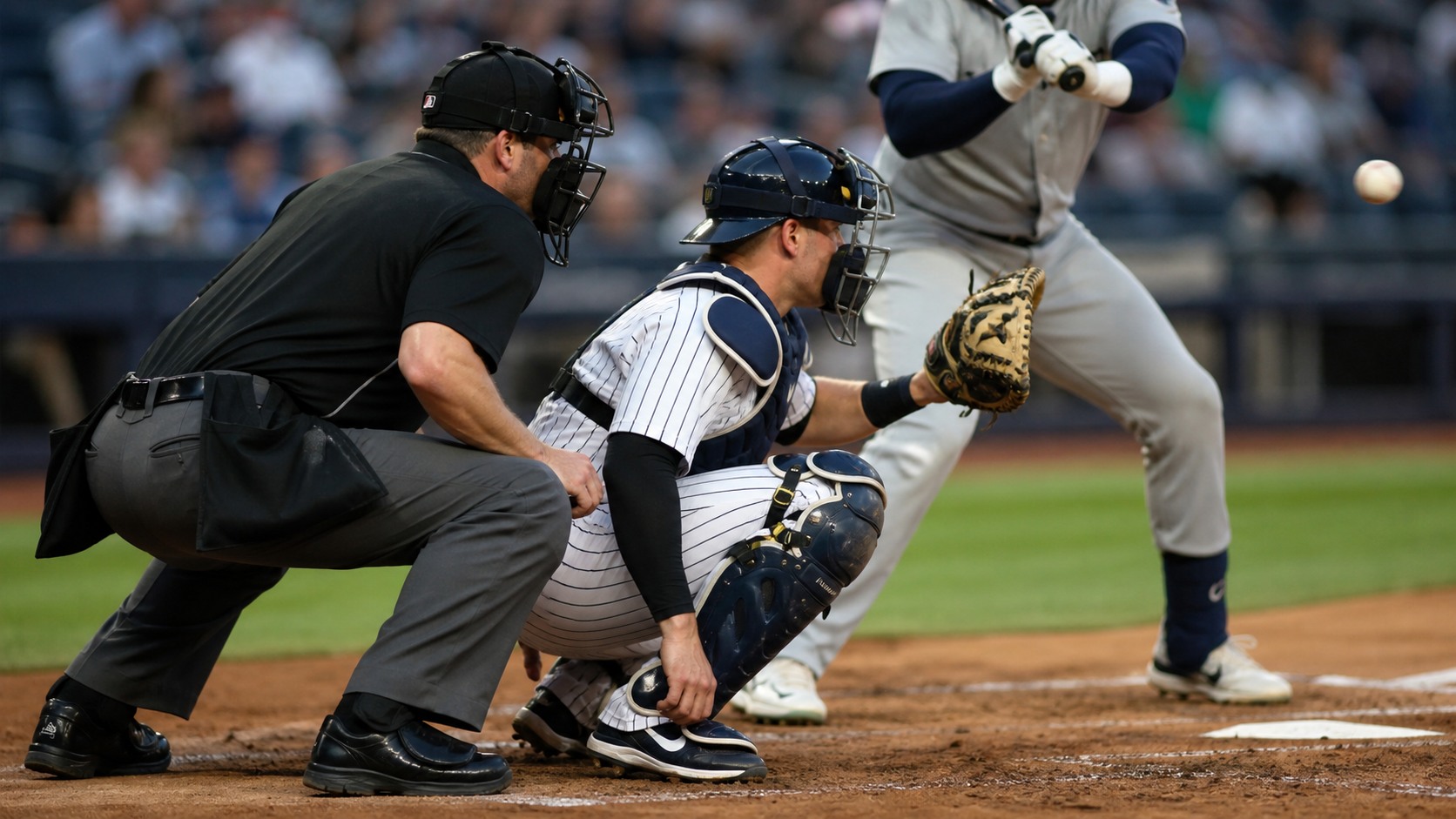
Ball-strike calls happen constantly, which makes them different from one dramatic tag play. A plate umpire may call more than two hundred pitches in a game, and each one changes count leverage. A disputed strike three can feel enormous because it ends the batter’s chance to respond.
Strike-zone graphics have changed fan expectations. Viewers see boxes, trails, and pitch locations that make calls look objectively right or wrong. But live umpiring involves body position, catcher movement, pitch height, late break, and the speed of the moment.
ABS challenge systems add a new layer. They do not erase the plate umpire, but they give players a limited way to question selected calls. That may reduce some controversies while creating new debates over challenge choices.
The strike zone will always feel personal because hitters and pitchers build their plans around it. Every borderline pitch is a negotiation between rule, reputation, and execution.
Historic Calls Often Become Team Mythology
A controversial call can become part of a team’s identity. Fans may remember it as the moment a season was stolen, saved, or redirected. The play becomes shorthand for disappointment or resilience.
That mythology can outgrow the play itself. Years later, fans may remember the anger more vividly than the inning, score, or events before and after. The call becomes a symbol of everything that went wrong.
Teams also use these moments differently. Some carry them as grievance. Others use them as fuel. Players may publicly move on while privately remembering how close the game felt.
Baseball history is full of these emotional landmarks. They are not always fair to the umpire, but they are real to the people who lived them.
That is why neutral explanations rarely satisfy everyone. A fan base that feels wronged is not only asking whether the call was technically defensible. It is asking why its memory of the season has to include that moment.
The Umpire’s Angle Matters
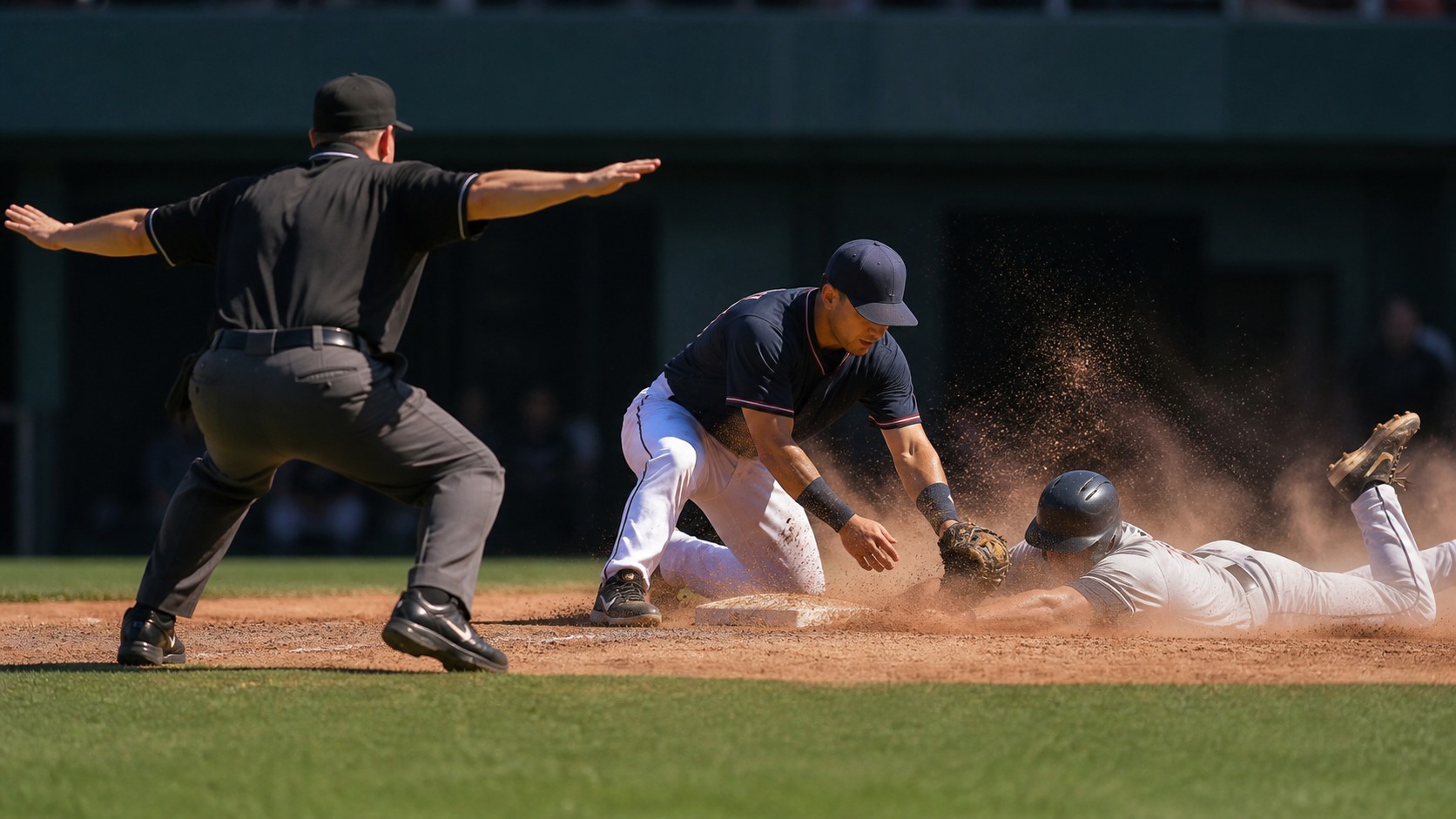
One reason fans misjudge calls is that they watch from a camera angle the umpire did not have. The official has to move to the best possible position, but the play may develop differently than expected. A tag may occur on the far side of a body. A foot may reach the bag behind a cloud of dirt.
Good umpiring mechanics improve the chance of seeing the play, but mechanics cannot guarantee a perfect view. The ball, runner, fielder, base, and tag may all converge in less than a second.
Replay can reveal that the correct angle was somewhere no human could stand. That does not make the missed call harmless. It does remind fans how hard live judgment can be.
Manager Reactions Shape The Story
Managers often become part of controversial calls. A calm discussion can make a call feel procedural. An eruption can tell the crowd that something enormous has happened. Ejections, arguments, and postgame comments all shape memory.
Sometimes managers argue to defend a player or change the energy of a game. Sometimes they genuinely believe the call is wrong. Sometimes they know they cannot win the argument but want the clubhouse to see them fight.
That performance becomes part of the call’s history. Fans remember not only the umpire’s signal but the manager’s sprint from the dugout.
Modern replay has changed this theater, but it has not removed emotion. Managers still argue when a play cannot be reviewed or when a review standard feels unsatisfying.
Technology Can Correct Without Healing
Even when technology corrects a call, the emotional impact may remain. A team can lose momentum during a review. A pitcher can feel disrupted. A runner may have to return after celebrating. Precision does not always feel clean.
Older controversies are even harder because they cannot be repaired. Fans can watch replays for decades, but the official result is sealed. That permanence is part of why historic missed calls remain painful.
Baseball’s challenge is to use technology without turning the sport into a courtroom. The game needs fairness, but it also needs rhythm. Every new system tries to balance those values.
Correction also changes responsibility. When replay exists, fans blame not only the original call but the review process if the outcome still feels wrong. The controversy moves from one umpire’s eyes to the whole system’s standard of proof.
Even a perfect correction can leave a scar if it arrives after a long delay or changes a celebration into uncertainty.
Some Calls Change Rules And Procedures
The most influential controversies do more than fill highlight shows. They push baseball to reconsider procedures. A missed boundary call, a disputed home run, or a playoff mistake can create pressure for expanded replay, clearer rule language, or different umpire positioning.
That process can be slow because baseball is cautious with tradition. The sport often waits until enough controversial evidence accumulates before changing a system. Fans may see obvious unfairness long before the rulebook catches up.
When a rule or procedure changes later, it does not fix the original play. It does, however, show that the argument mattered. Baseball history is full of moments that were painful in real time but useful in forcing the game to improve.
This is one reason controversial calls deserve more than outrage. They are stress tests. They show where the sport’s systems were too fragile for the moment.
Modern fans inherit those changes. A call that would have stood in one era may be reviewed, corrected, or handled differently in another. The game evolves because old controversies refused to disappear quietly.
That evolution does not make older umpires foolish. It shows that every era officiates with the tools, instructions, and review standards available at the time.
Players Carry The Human Cost
For players, a controversial call is not an abstract debate. It can affect a stat line, a season, a contract, a memory, or a career-defining moment. The player on the wrong side may be asked about it for years.
That human cost is easy to forget when fans argue online. The umpire, player, and manager all live with the moment long after the broadcast moves on.
Broadcast Evidence Shapes Public Certainty
Television can make fans feel more certain than the play itself deserves. A slow-motion angle from center field may show glove movement clearly but hide whether the foot stayed on the base. A low camera may show a tag but miss the runner’s hand. Evidence depends on where the camera was placed.
Broadcasters also frame the debate. The first replay angle shown, the announcer’s tone, and the graphic used on screen can all influence how the audience understands the call. By the time a second angle arrives, many viewers have already chosen a side.
That does not mean replay is misleading. It means visual evidence still needs interpretation. The best baseball viewers learn to ask what an angle can prove and what it cannot.
Controversial calls become louder when the public believes the evidence is obvious and the official process seems slower or less certain. The gap between fan certainty and review language can be enormous.
The Best Lessons Are Bigger Than Blame
It is easy to reduce controversial calls to one villain. Sometimes the umpire missed it. Sometimes the rule was unclear. Sometimes technology was not available. Sometimes the evidence after the fact is less perfect than fans want.
The better lesson is that baseball’s biggest moments expose the relationship between rules and trust. Players trust the game when calls feel fair. Fans trust the game when mistakes can be corrected. Umpires trust the system when they are supported without being treated as disposable.
Controversial calls will never disappear completely. Baseball contains too much speed, geometry, and emotion for that. But each era decides what kind of uncertainty it can accept.
History Keeps Reopening The Call
Famous umpire calls never stay in the past. Anniversaries, documentaries, broadcasts, and new technology bring them back. A play from decades ago can be re-litigated by fans who were not alive when it happened.
That is part of baseball’s charm and burden. The sport keeps its records carefully, and those records include disputed moments. Every controversial call becomes a reminder that history is not only what happened. It is also what people believe should have happened.
The most controversial umpire calls endure because they sit at that uncomfortable intersection. They are evidence, emotion, rule, and memory all at once. Baseball can improve its systems, but it will always have moments that ask people to decide what they saw.
That uncertainty is frustrating, but it is also why the stories keep being told.