Travel Baseball Expanded Opportunity And Complexity
Travel baseball changed youth player development by giving young athletes more games, stronger competition, specialized coaching, tournament exposure, and a clearer path toward advanced baseball environments. It also added cost, travel stress, workload concerns, roster politics, and pressure that did not exist in the same way for many local leagues. For some players, travel ball accelerates growth because they face better pitching, learn faster game speed, and build confidence in competitive settings. For others, it can narrow development too early or make baseball feel like a family business plan. The question is not whether travel baseball is good or bad by itself. The question is whether the environment helps the individual player improve, stay healthy, and still love the game.
A: It is competitive youth baseball that usually involves tournament play, regional opponents, and more selective teams than local recreation leagues.
A: It can, if coaching, workload, competition level, and practice quality fit the player.
A: Not always, but high-level competition and exposure can help when the player is ready.
A: Cost, travel load, burnout, and overuse risk can become serious problems.
A: Many players benefit from varied athletic experiences before narrowing their focus.
A: Look at coaching quality, workload policies, communication, practice structure, and fit, not only trophies.
A: Yes. Local leagues can provide reps, friendships, leadership, and lower-pressure development.
A: It depends on age, position, workload, recovery, and whether the player is still moving well and enjoying the game.
A: Pitch counts, rest, mechanics under fatigue, soreness, and communication between teams.
A: Find competition that challenges the player without overwhelming health, family life, or love for baseball.
Competition Became Easier To Find
One major change travel baseball created is access to stronger competition. A talented player in a small local league may not face enough velocity, defensive speed, or tactical pressure. Travel tournaments can expose that player to a wider baseball world.
That exposure can be valuable. Hitters learn that mistakes get punished. Pitchers learn that command matters against deeper lineups. Defenders learn that routine plays happen faster. The game becomes less comfortable, and discomfort can produce growth.
However, better competition helps only when it is the right level. A player who is constantly overwhelmed may stop learning and start surviving. The best challenge stretches skills without crushing confidence.
Game Volume Changed The Calendar
Travel baseball often means more games, longer weekends, and shorter off-seasons. That volume can sharpen instincts because players see many situations. They learn tournament pressure, unfamiliar parks, and different styles of play.
More games also create risk. Practice can disappear when every weekend is a tournament. Players may compete often without getting enough skill instruction. The calendar can become busy while development becomes accidental.
Young athletes need time to train, recover, and be kids. A schedule that looks impressive online may not be the best schedule for a player’s body or mind.
Families should ask how games, practices, rest, and other activities fit together. Development is a calendar question as much as a roster question.
Specialized Coaching Became More Common
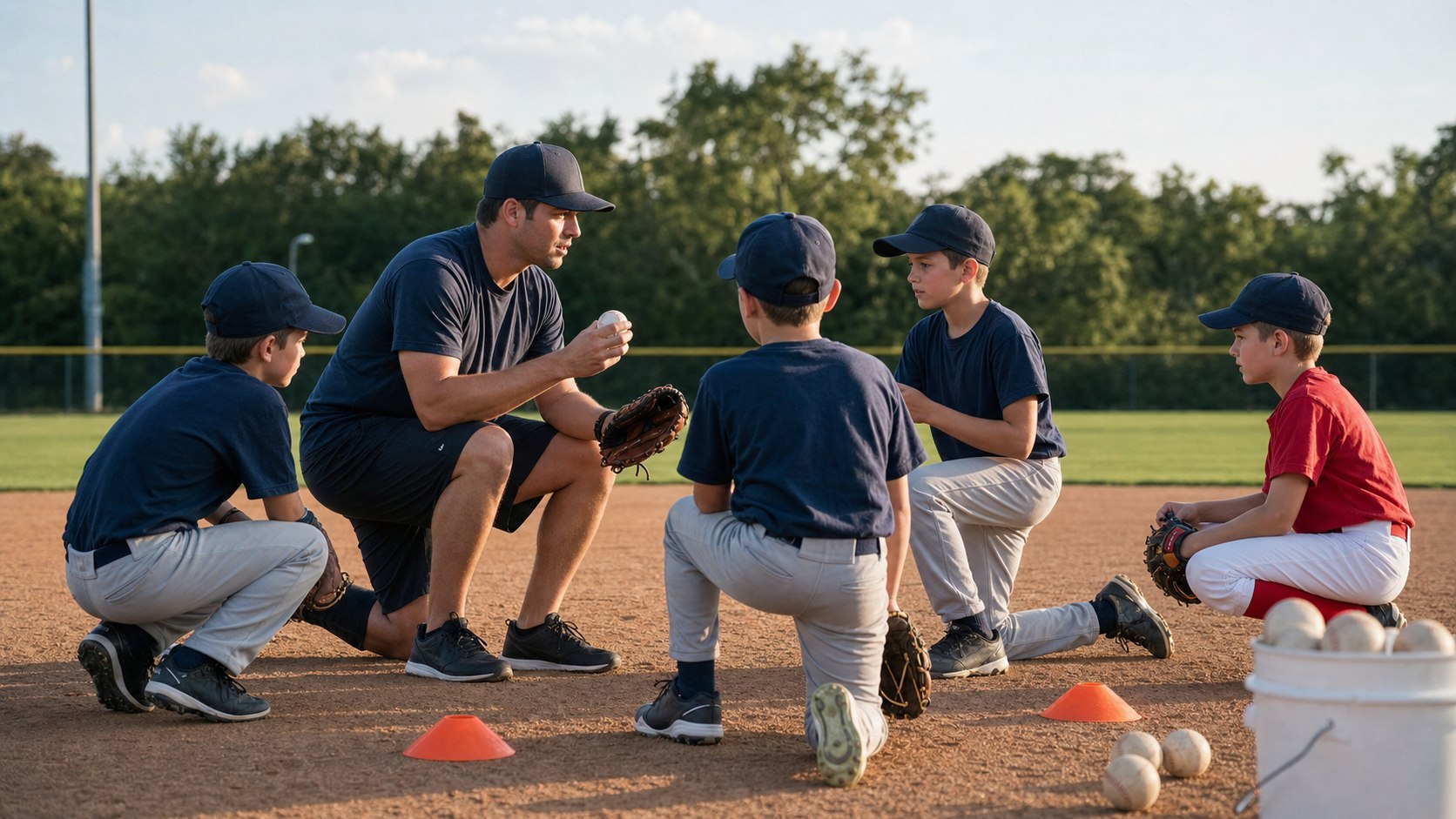
Travel programs often offer more specialized coaching than traditional local teams. A catcher may get receiving instruction. A pitcher may learn routines and pitch grips. A hitter may receive swing feedback from someone focused on offensive development.
That can accelerate growth when the coaching is thoughtful. Specific instruction helps players understand their positions and build repeatable habits. It can also give families clearer feedback about what the player should work on next.
The problem comes when specialization becomes too narrow too early. A young player who only pitches, only catches, or only chases one role may miss broader athletic development. Baseball rewards skill, but young bodies also need variety.
Exposure Became A Selling Point
Many travel teams sell exposure. That word can mean legitimate opportunities to play in front of evaluators, but it can also become marketing. Exposure matters most when a player already has skills worth exposing.
For younger players, development should usually matter more than visibility. A twelve-year-old does not need to be showcased more than he needs to learn how to throw safely, hit with a plan, move well, and compete with confidence.
Older players may benefit from tournaments that match their goals, but even then the environment should be chosen carefully. A crowded event with poor coaching may not help as much as a smaller setting with better instruction.
Families should ask what exposure actually means: who attends, what feedback is given, how players are prepared, and whether the event fits the player’s current level.
Cost Changed Access
Travel baseball can be expensive. Team fees, hotels, gas, equipment, lessons, uniforms, and missed work can add up quickly. That cost affects who gets opportunities and how families make decisions.
Money can create pressure. Parents may expect playing time, results, or recruiting attention because they are investing heavily. Players may feel that every weekend has to justify the expense. That emotional weight can change the experience.
Programs should be honest about costs and expectations. Families should be honest about what they can afford without resentment. A baseball opportunity that strains the household may not be healthy, even if the team is competitive.
Workload Became Harder To Track
Travel baseball can create workload confusion because players may participate in multiple teams, lessons, camps, and showcases. A pitcher may throw for one coach on Saturday, another on Tuesday, and attend a lesson on Thursday. If nobody communicates, risk rises.
Pitch counts, rest, soreness, and fatigue should travel with the player. A tournament coach needs to know what happened earlier in the week. A parent should not assume every adult has the full picture.
Catchers also carry hidden workload. Squatting through multiple games, making throws, blocking, and warming pitchers can take a physical toll. Development plans should include them too.
Health communication is not optional. It is the foundation that allows competition to be useful.
Travel Ball Changed Family Life
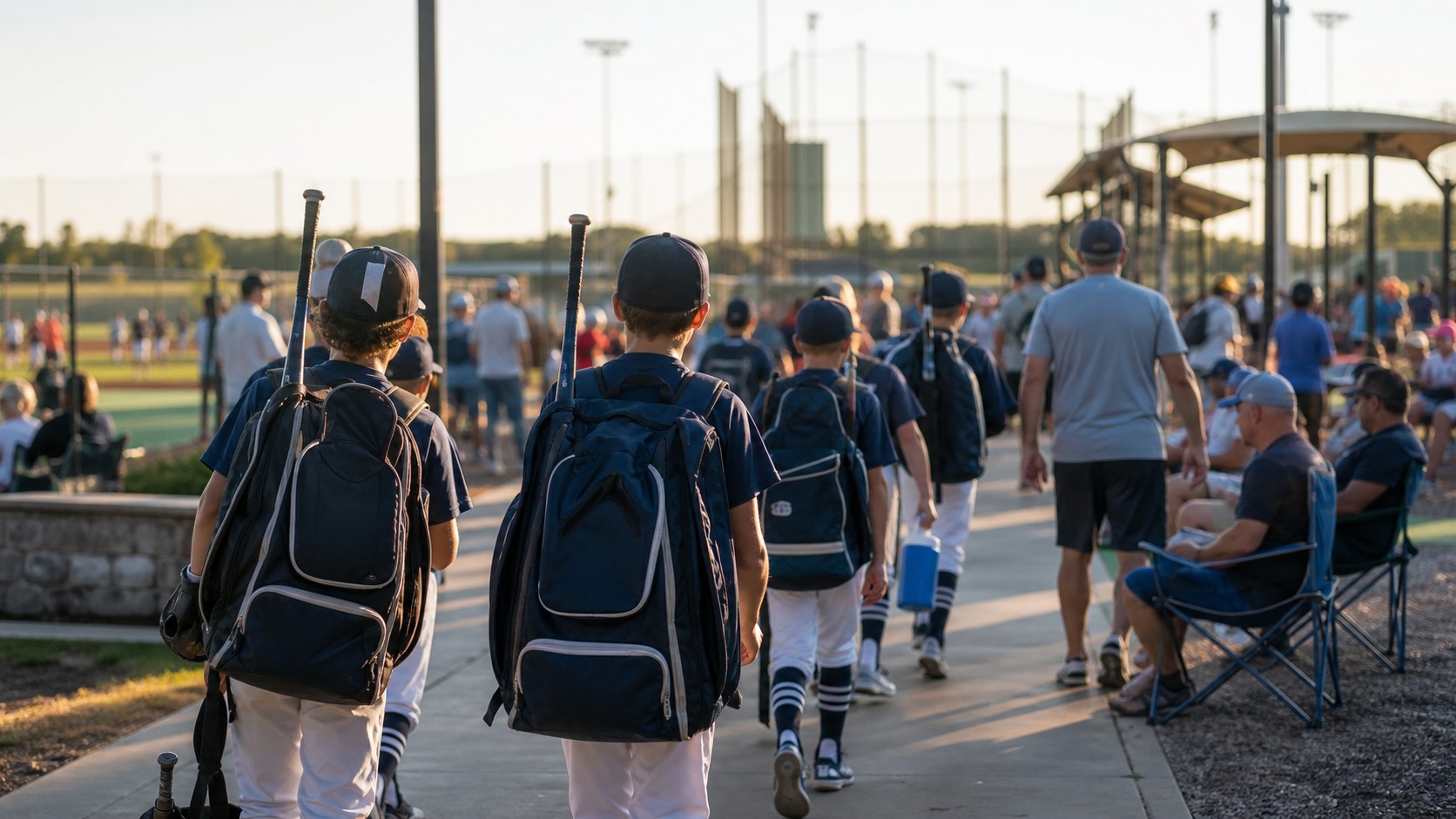
Travel baseball often becomes a family schedule. Weekends, vacations, sibling plans, meals, schoolwork, and budgets all shift around tournaments. Some families enjoy that shared commitment. Others become exhausted by it.
The player’s experience is connected to the family’s experience. If every car ride becomes a performance review, the child may stop feeling joy. If every tournament feels like a financial test, pressure grows.
Parents can help by separating support from management. Cheer, provide structure, ask good questions, and let coaches coach. The ride home should not feel like a second postgame press conference.
Local Baseball Still Has Value
Travel baseball did not make local baseball useless. Local leagues can provide community, leadership, playing time, lower-pressure reps, and friendships. Some players develop confidence locally before needing a higher challenge.
Local baseball can also let players try different positions. A travel roster may lock a player into one role, while a local team may allow broader experience. That matters for long-term development.
The best path may combine environments. A player can use travel ball for challenge and local baseball for reps, leadership, or fun, as long as workload is managed.
Development does not require one identity. It requires the right mix for the player.
Burnout Is A Real Development Problem
Burnout is not simply a bad attitude. It can be the result of constant pressure, too much travel, repetitive workload, adult expectations, and lack of rest. A player who once loved baseball may begin to feel trapped by it.
Warning signs include dread before tournaments, declining effort, recurring soreness, irritability, loss of confidence, or a player saying he never gets a break. Adults should listen before the problem becomes permanent.
Rest can be developmental. Time away can restore energy, allow the body to recover, and give the player room to miss the game. That emotional reset matters.
Burnout also affects learning. A tired player may stop taking instruction, not because he is stubborn, but because the sport has become noise. Development requires attention, curiosity, and enough freshness to try again after failure.
The healthiest travel environments leave space for normal childhood. Friends, school events, other sports, and quiet weekends are not enemies of baseball growth.
Travel Teams Changed The Meaning Of Practice
Some travel programs practice deeply and teach well. Others mostly assemble talented players for weekend games. That difference matters. Games test skills, but practice builds them. A player who only competes may repeat the same flaws under brighter lights.
Good travel practice uses the higher competition level as feedback. If hitters struggled with velocity, practice should address timing and pitch recognition. If pitchers walked stronger lineups, the week should include command and count work. The tournament should inform training.
Families should ask how often the team practices, who teaches, and what development looks like between events. A program that cannot answer those questions may be more schedule than system.
Players need space to fail in practice before they are judged in games. Travel baseball can provide that space, but only if the program values teaching as much as playing.
A travel team that never practices is asking games to do too much. Competition reveals needs; it does not automatically solve them.
Practice also shows what a program truly values. If coaches preach development but spend every session only preparing to win the next bracket, families should notice the mismatch.
Roster Depth Can Help Or Hurt Growth
Competitive rosters create opportunities and challenges. A deep roster may surround a player with better teammates and raise standards. It may also reduce playing time or lock players into narrow roles. The right balance depends on age and goals.
Younger players usually need varied reps. Sitting on a prestigious roster may not help as much as playing regularly in a slightly less decorated program. Older players may accept specialized roles if the exposure and development are appropriate.
Families should ask honest questions before joining: where will the player play, how will opportunities be earned, and what happens if he struggles? Clear expectations prevent resentment later.
Players also develop by learning to compete for roles, but that lesson must fit their age. Healthy competition motivates; constant insecurity can make young athletes play afraid.
Depth should create standards, not mystery. A player who understands his role and path to more opportunity can keep working with purpose.
Strength And Skill Work Moved Earlier
Travel baseball helped normalize lessons, strength training, arm care, mobility work, and position-specific development at younger ages. That can be positive when age-appropriate. Players learn that improvement is not only showing up for games.
The risk is professionalizing childhood too soon. A ten-year-old does not need the same workload, language, or pressure as an older prospect. Training should build athleticism, coordination, and love of the game before it becomes a narrow performance business.
The best programs scale the work. They teach warmups, movement, throwing care, and skill habits in ways young players can understand.
Good early training should make the athlete move better and feel more capable. If it only creates anxiety about rankings, it has lost the thread.
Travel Baseball Changed Parent Roles
Parents in travel baseball often become schedulers, drivers, financial planners, emotional buffers, and workload monitors. That role can be rewarding, but it can also blur boundaries. The parent may begin to feel like a manager instead of a supporter.
Healthy parent involvement means asking good questions, tracking safety information, and supporting the child without turning every game into a referendum. Players need a place where their worth is not tied to batting average or innings pitched.
The ride home is especially important. A child who hears only corrections after every tournament may begin to associate baseball with evaluation. Sometimes the best postgame support is food, rest, and one calm question: did you still enjoy competing today?
Travel baseball asks a lot from families. The best families build boundaries so the sport does not consume every conversation.
Parents also need permission to step back. Choosing fewer tournaments or a different team can be a development decision, not a lack of ambition.
The Best Programs Keep The Player Central
Travel baseball changed youth development because it expanded what is possible. It also made choices more complicated. Families now have to evaluate competition, coaching, cost, exposure, health, and joy at the same time.
The best programs keep the player central. They challenge without exploiting, teach without humiliating, compete without ignoring health, and communicate honestly with families. They understand that development is longer than one tournament.
Travel baseball can be a powerful tool. It can also become too much. The difference is whether the adults use the environment to serve the player, or ask the player to serve the environment.