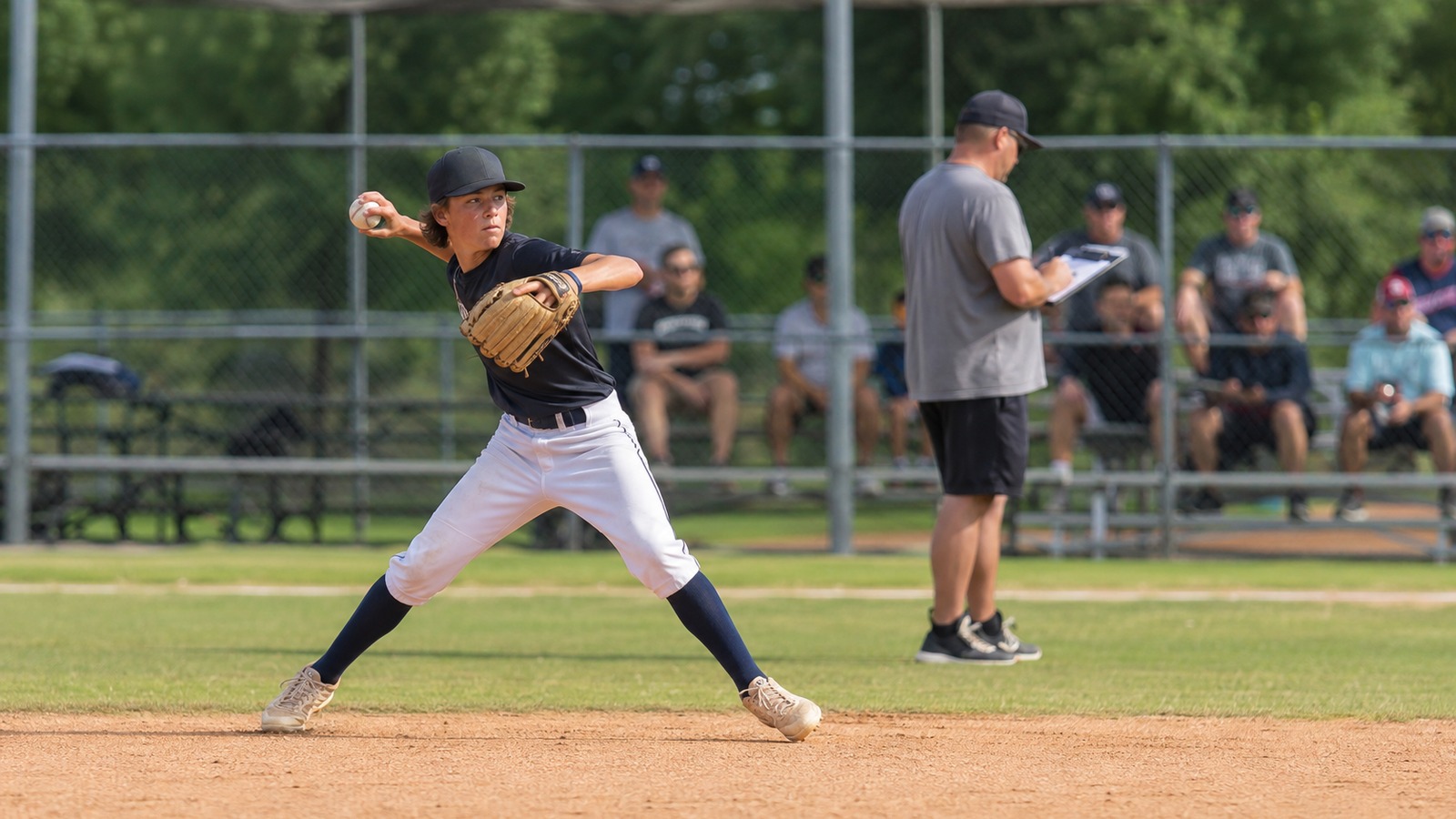
Pitch Count Rules Protect The Future, Not Just The Inning
Youth pitch count rules exist because young arms are still developing, and pitching stress can accumulate faster than adults realize. A player may look confident on the mound while mechanics are slipping, fatigue is rising, and the elbow or shoulder is absorbing more strain. Rules that limit pitches and require rest are not obstacles to competition. They are guardrails that help coaches and parents remember the bigger goal: a healthy player who can keep enjoying baseball. Different leagues use different age-based limits and rest requirements, so families should always follow their local rulebook and medical guidance. The principle is consistent everywhere: no youth game is important enough to ignore workload, pain, or fatigue.
Pitch Counts Make Workload Visible
Without pitch counts, adults often rely on memory and emotion. A pitcher looks strong, the game is close, and everyone wants one more batter. The number creates a clear reminder that workload is accumulating.
That visibility matters because young players may not report fatigue accurately. Some want to stay in the game. Some do not want to disappoint coaches. Some do not know the difference between normal effort and warning discomfort.
A pitch count does not tell the whole health story, but it starts the conversation. It gives coaches and parents a shared record instead of a guess.
Rest Requirements Are Part Of The Rule
Pitch limits and rest days work together. Throwing a high number of pitches usually requires more recovery before the next pitching appearance. That rest is not a punishment. It is the time the arm needs after stress.
Different organizations publish different age-based charts, and leagues may set their own rules. Coaches should know the exact requirements before the season begins. Parents should know them too, especially when a child plays in more than one environment.
Rest should mean avoiding high-effort throwing, not simply avoiding the official mound. A player who pitches on Sunday and then throws hard in a lesson on Monday may not truly be resting.
This is where adult communication becomes essential. The rulebook cannot protect a player if nobody shares the workload information.
The Limit Is Not A Target
One common mistake is treating the maximum pitch count as the plan. If the limit is seventy-five, the pitcher does not automatically need seventy-five pitches. The limit is the top boundary, not the desired workload.
A pitcher may need to come out earlier because command has disappeared, mechanics have changed, the inning is stressful, or the player looks tired. The body may tell the truth before the number does.
Coaches should feel empowered to remove a pitcher early. Protecting the player is not overreacting. It is doing the job.
Fatigue Shows Up In Mechanics
Fatigue often appears before pain. A pitcher may start missing high, rushing the delivery, dropping the arm slot, flying open, or pushing the ball. These changes can increase stress and reduce command at the same time.
Adults should watch the delivery, not only the scoreboard. If a player who looked smooth in the first inning begins fighting the body in the fourth, the outing may need to end. The next pitch is not worth a risky pattern.
Catchers can help because they see the ball and body from close range. A catcher may notice that the fastball is fading, the breaking ball is backing up, or the pitcher is grimacing after release.
Players should be taught that reporting fatigue is responsible. Silence is not toughness when the arm is at risk.
Fatigue also changes decision-making. A tired pitcher may rush with runners on, forget the plan, or overthrow when behind in the count. Those mental signs matter too.
Multiple Teams Create Hidden Risk
Many youth players pitch for school teams, local teams, travel teams, lessons, and showcases. Each adult may know only part of the workload. That fragmentation can defeat pitch count rules if no one coordinates.
Parents are often the only people who see the full calendar. They should track pitches, rest days, bullpen sessions, catching workload, and high-effort throws across all settings. That record helps coaches make safer decisions.
Players should not be placed in the middle of adult communication. A child should not have to negotiate between two coaches who both want him to pitch. Adults need to handle that responsibly.
A simple shared note can prevent problems. Date, pitches thrown, position played, soreness, and next eligible pitching day are enough to start. The goal is not bureaucracy; it is making sure no adult is guessing with a young arm.
Catchers Need Workload Attention Too
Pitch count discussions often focus on pitchers, but catchers also carry heavy workload. They squat, throw, block, warm pitchers, and sometimes pitch in the same weekend. That combination can be demanding.
Some leagues restrict pitcher-catcher combinations for safety reasons. Even when rules allow certain usage, coaches should think carefully. A player who caught a long game may not be fresh enough to pitch safely afterward.
Warmup pitches and between-inning throws also add stress. They may not always count officially, but the body still feels them. Good programs manage total throwing, not only official game pitches.
Catchers may also be reluctant to admit fatigue because the position rewards toughness. Coaches should check in directly and watch movement quality, especially late in tournaments.
A catcher who is also a pitcher needs an especially clear weekly plan. The two roles can both be valuable, but the workload cannot be treated as separate simply because the position changed.
Mechanics Under Fatigue Matter
A pitcher can be within the pitch limit and still be done for the day. If the delivery changes, the ball loses life, or the player begins guiding pitches, fatigue may have already changed the risk profile. The number is important, but the body still gets a vote.
Coaches should know each pitcher’s normal movement. A player who usually finishes balanced but suddenly falls off hard may be telling the staff something. A player who drops the elbow to find the zone may need to come out even before pain appears.
Parents can learn these signs too. They do not need to coach mechanics from the stands, but they can notice when the child looks different and ask the right questions afterward.
Fatigue decisions are easier when adults agree before the game that health beats the inning. Waiting until the bases are loaded makes courage harder.
Video can help after the game if it is used carefully. Compare early-inning movement with late-inning movement and look for patterns rather than blaming one ugly pitch.
The review should lead to a safer next plan, not a lecture.
Rest Days Should Include The Whole Arm
A rest day after pitching should not become a hard-throwing day at another position. The elbow and shoulder do not know whether the throw came from a mound, shortstop, catcher, or private lesson. Stress is stress.
Light movement, recovery work, and non-throwing skill study may fit, depending on age and guidance. High-effort throws should wait until the player is actually ready. This is especially important during tournament stretches when games stack together.
Players should learn that rest is active responsibility. They are not falling behind by recovering. They are preparing the arm to handle the next opportunity safely.
League Rules Need Consistent Enforcement
Pitch count rules lose value when enforcement changes by field, tournament, or score. If one coach follows the limit and another stretches it, the safe coach can feel punished competitively. Leagues have to make compliance normal.
Clear scorekeeping helps. Both teams should know the count, dispute procedures should be simple, and rest eligibility should be documented. Confusion late in a game creates pressure on the people trying to do the right thing.
Consistent enforcement also protects coaches. A coach who removes a pitcher can point to a shared rule rather than appearing personally cautious. That matters when parents or players are emotional.
The culture improves when nobody treats arm safety as optional.
Practice Plans Should Reflect Game Usage
A pitcher who threw a heavy weekend should not return to a normal high-effort bullpen just because practice is scheduled. The week’s work should reflect the game workload. That may mean command study, light catch, mobility, or non-throwing pitcher fielding instead of another mound session.
Coaches can still help resting pitchers improve. They can review counts, study hitter reactions, work on pickoff footwork at low intensity, or talk through game plans. Development does not stop because the arm is recovering.
This approach also teaches players that pitching includes more than throwing. A rested arm paired with better baseball understanding is a win.
When practice ignores game usage, pitch count rules become weaker. Recovery has to live in the whole week.
A smart practice can protect the arm and still sharpen the pitcher.
Velocity Culture Can Pressure Young Arms
Young pitchers often hear that velocity is the path to opportunity. Throwing harder can matter, but chasing velocity too early can push players into poor habits. If a child believes every outing is a radar-gun audition, he may ignore pain or overthrow through fatigue.
Development should include command, movement quality, athleticism, recovery, and game understanding. Velocity can grow as the body matures and training improves. It should not come at the expense of safety.
Adults can help by praising smart pitching, efficient innings, honest communication, and body control. Players repeat what adults reward.
Pain Is Not A Normal Requirement
Throwing can create normal tiredness, but pain should not be dismissed as part of the game. Sharp pain, lingering soreness, loss of motion, or discomfort that changes how a player throws needs attention.
The safest response is to stop throwing and involve qualified medical professionals when pain persists or seems significant. Coaches should not diagnose injuries from the dugout. Parents should not ask a child to push through because a tournament is important.
Early reporting can prevent small problems from becoming larger ones. A player who rests and receives guidance may return stronger than one who hides pain until the arm forces a shutdown.
This article is educational, not a medical diagnosis. Specific symptoms should be handled by qualified clinicians.
Good Rules Need Good Culture
Pitch count rules are only as strong as the culture around them. If coaches treat them as obstacles, players learn to hide. If parents chase innings, children feel pressure. If tournaments reward overuse, safety becomes fragile.
A healthy culture treats the rules as shared protection. Coaches plan pitching depth. Parents communicate. Players speak honestly. Leagues enforce standards. Everyone understands that a youth arm matters more than a bracket.
The goal is not to make baseball timid. It is to make baseball sustainable. Young pitchers can compete hard and still be protected.
Long-Term Development Wins
A youth pitcher has many possible seasons ahead. One extra inning today is not worth months of pain or lost confidence. Pitch count rules remind adults to think beyond the immediate game.
Protecting young arms does not guarantee perfect health, but it reduces avoidable risk and teaches responsible habits. It also shows players that adults care about more than winning.
The best youth baseball environments combine competition with restraint. They let players love the mound without asking their arms to pay too much for it.
That lesson lasts. A player who learns to respect workload early is more likely to communicate honestly, train intelligently, and stay available as the game becomes faster.