Tommy John Surgery Is A Repair, Not A Shortcut
Tommy John surgery is the common baseball name for ulnar collateral ligament reconstruction, a procedure used when the elbow ligament that helps stabilize throwing is seriously damaged. It is strongly associated with pitchers because high-velocity throwing places major stress on the inner elbow, but the injury story is usually bigger than one pitch. Workload, fatigue, mechanics, velocity, recovery, age, prior soreness, and training choices can all contribute to risk. Surgery can help many athletes return to throwing, but it is not a performance shortcut and not every elbow problem requires it. The most important lesson is prevention and early response: protect workload, listen to pain, seek qualified medical evaluation, and treat recovery as a long, careful process.
A: It is a reconstruction of the elbow's ulnar collateral ligament, often using a tendon graft.
A: Only qualified medical specialists can determine that after evaluating the injury, symptoms, imaging, goals, and treatment options.
A: It should not be viewed as an upgrade. Any performance changes come from rehab, training, growth, and many other factors.
A: Recovery is usually many months and often more than a year for pitchers, but timelines vary by athlete and medical guidance.
A: Some partial injuries may be treated non-operatively, but the choice depends on medical evaluation and athlete goals.
A: Repetitive throwing stress, fatigue, workload spikes, velocity, mechanics, and inadequate recovery can all contribute.
A: Inner elbow pain, sharp discomfort, velocity loss with pain, changed mechanics, or lingering soreness should be taken seriously.
A: No. They reduce workload risk, but training, recovery, mechanics, and biology also matter.
A: Many experts recommend real rest periods and avoiding continuous high-intensity throwing.
A: Protect workload, report pain early, train the whole body, and value long-term health over short-term exposure.
The UCL Stabilizes The Throwing Elbow
The ulnar collateral ligament helps stabilize the inner side of the elbow during throwing. When a pitcher throws hard, the elbow experiences significant stress. The UCL helps resist that stress, which is why injury to the ligament can threaten a throwing career.
Tommy John surgery reconstructs the damaged ligament, often using a tendon graft from elsewhere in the body. The procedure has become familiar in baseball, but familiarity should not make it seem routine or minor. It is major surgery with a long rehabilitation process.
Some UCL injuries are partial and may be treated without surgery depending on the athlete, symptoms, imaging, level, and goals. A qualified sports medicine specialist should guide those decisions.
The Injury Usually Has A Longer Story
Fans often imagine one pitch tearing the ligament. Sometimes an athlete feels a sudden pop or sharp pain, but many injuries are connected to stress that built over time. Workload, fatigue, velocity, recovery, and mechanics can all contribute to the larger picture.
A pitcher who throws often while tired may change arm slot or timing. Those changes can shift stress. A player who jumps from light throwing to showcase intensity may ask the elbow to handle more than it is ready for. A young athlete who plays year-round may not get enough recovery.
This does not mean every injury is someone’s fault. Biology, growth, role, and bad luck also matter. But preventable workload patterns deserve serious attention.
The most useful mindset is to watch trends. Recurring soreness, workload spikes, and fatigue mechanics are warning lights long before surgery becomes a conversation.
Velocity Culture Adds Pressure
Modern baseball values velocity, and for good reason. Hard throwers create advantages. But velocity chasing can pressure players to throw at maximum intensity more often than their bodies can handle, especially when they are still developing.
Training to throw harder should be age-appropriate, supervised, and balanced with recovery. Strength, mobility, throwing mechanics, and gradual progressions matter. Simply trying to light up a radar gun can invite risk.
Young players also need to understand that pitchability matters. Command, movement, tempo, and decision-making can help a pitcher compete without treating every throw like a test of worth.
Warning Signs Should Stop The Session
Inner elbow pain during throwing is not something to negotiate with. Sharp pain, lingering soreness, numbness, tingling, sudden velocity loss with discomfort, or a changed arm action should lead to stopping and seeking qualified guidance.
Coaches should never ask a player to throw through elbow pain to finish an inning, impress a scout, or win a tournament. Parents should avoid minimizing symptoms because the child looks strong otherwise. Athletes often hide pain when they fear losing opportunity.
Early response can change outcomes. Rest, evaluation, and proper care may prevent a worsening injury. Ignoring pain can turn a manageable problem into a long absence.
This is medical territory. Articles, coaches, and teammates cannot diagnose a UCL injury from the field.
Diagnosis Requires Qualified Evaluation
A medical evaluation may include history, physical examination, imaging, and discussion of the athlete’s goals. The clinician considers whether the injury is partial or complete, how unstable the elbow is, what symptoms exist, and what level of throwing the athlete wants to return to.
Different athletes may receive different recommendations. A recreational player, a high school pitcher, a college pitcher, and a professional may have different demands and timelines. The treatment plan should fit the person.
Second opinions can be appropriate for major decisions, especially surgery. Families should ask questions and understand the recovery commitment before choosing a path.
Recovery Is A Long Progression
Tommy John recovery is not simply waiting until the calendar says return. Rehab usually moves through stages: healing, range of motion, strength, throwing progression, mound work, command, and game readiness. Each stage has criteria.
Pitchers often need many months and commonly more than a year before competitive pitching, but individual timelines vary. Rushing can create setbacks. So can skipping strength, mobility, or throwing progression steps.
The athlete also has to rebuild trust. Letting the ball go after an elbow surgery can be mentally difficult. Confidence returns through repeated, controlled progress.
Rehab should be guided by qualified medical and performance professionals. The goal is not only to throw again, but to throw safely and effectively.
Return To Throwing Is Not Return To Pitching
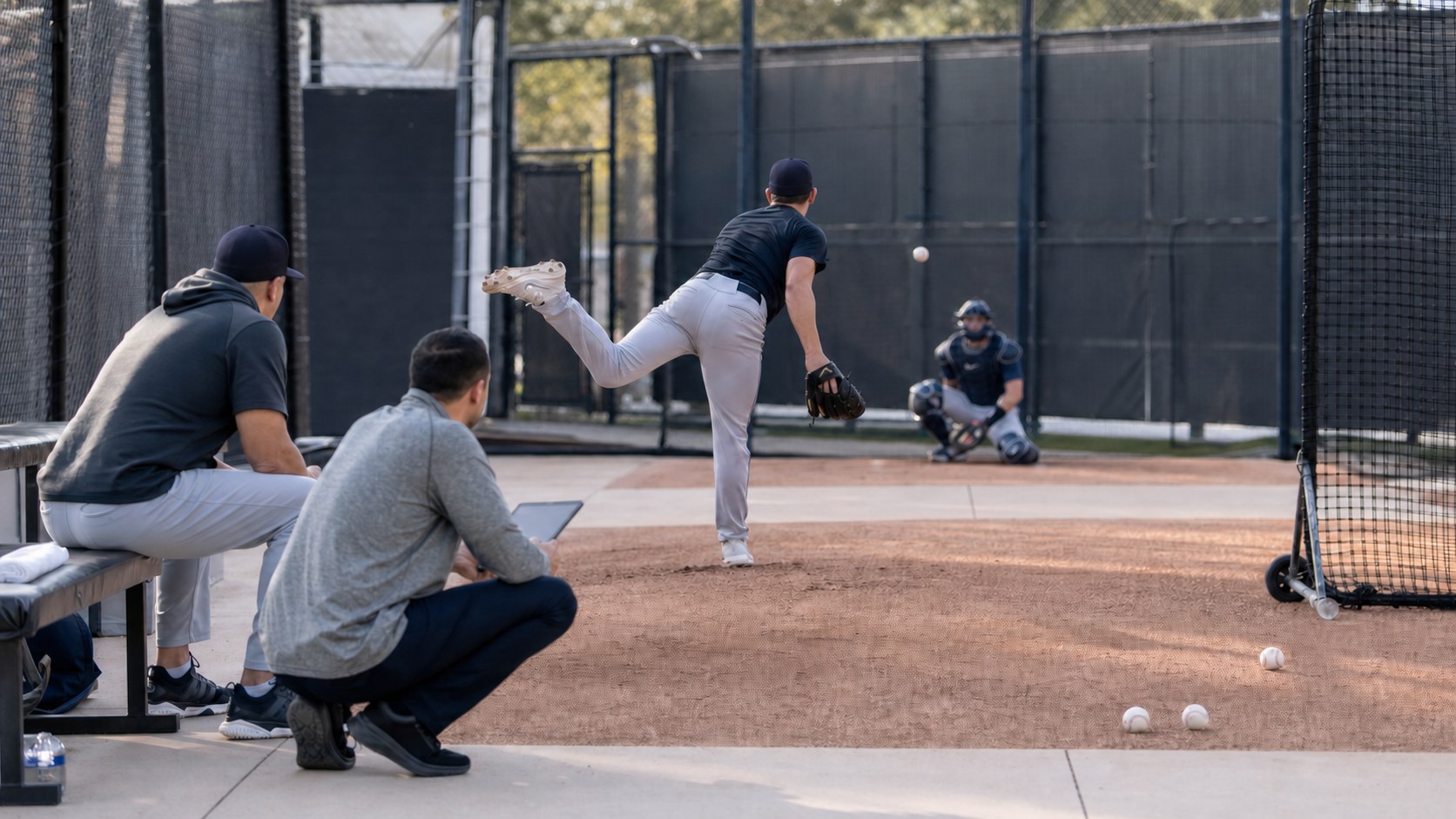
Playing catch is an early milestone, not the finish line. Pitching requires intensity, slope, command, recovery between outings, and the ability to repeat mechanics under fatigue. A player may throw comfortably before being ready for competition.
The return-to-throw program usually increases distance, volume, and intensity gradually. Mound work comes later. Breaking balls, game counts, and back-to-back workload are even later decisions.
Coaches and parents should respect the difference. Seeing a player throw pain-free in catch does not mean he is ready to pitch in a tournament.
Prevention Is Bigger Than One Rule
Pitch counts help, but prevention is broader. It includes rest, communication, mechanics, whole-body strength, mobility, gradual workload, sleep, nutrition, and avoiding year-round high-intensity throwing. No single rule can remove all risk.
Workload tracking across teams is especially important. A player may follow pitch count rules for one team while still throwing too much overall. Lessons, showcases, bullpen sessions, and catching workload all add stress.
Young athletes should have real off-seasons from high-intensity throwing. The body needs time to recover and adapt. Other sports and general athletic development can support baseball rather than threaten it.
Prevention should be presented positively. It is not about holding players back. It is about keeping them available to keep improving.
Prevention also requires adults to resist comparison. Just because another pitcher throws more often does not mean that workload is wise or appropriate.
Surgery Is Not A Performance Hack
A damaging myth is that Tommy John surgery makes pitchers better. The surgery repairs a damaged ligament; it is not an upgrade. Some pitchers return throwing harder because they rehabbed, matured, trained differently, or corrected other issues, but the procedure itself should not be seen as a shortcut.
Thinking of surgery as an upgrade is dangerous for young players. It can make injury seem less frightening and encourage reckless workload. No athlete should want surgery as part of a development plan.
The best outcome is avoiding the injury when possible. If surgery becomes necessary, the goal is a careful return, not proof of toughness.
Performance after surgery is also not guaranteed. Some athletes return well, some need more time, and some never fully regain their previous level. That uncertainty should make prevention feel more urgent, not less.
Prehab Habits Matter Before Injury
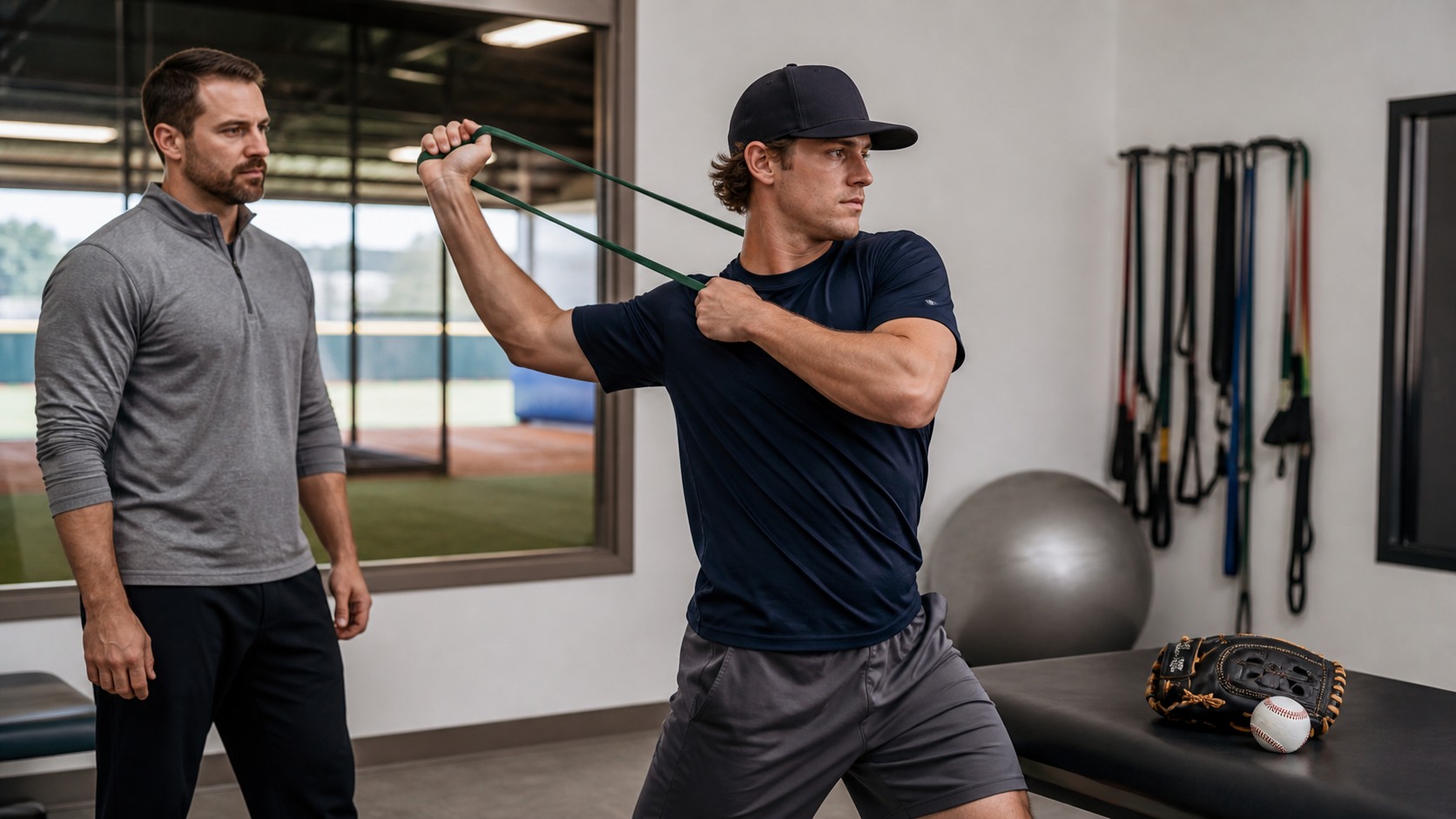
Many of the habits used in rehab are valuable before injury. Shoulder strength, scapular control, hip mobility, trunk strength, gradual throwing, and recovery routines all support the throwing system. They do not make the elbow invincible, but they reduce unnecessary stress.
Pitchers should think of the arm as part of the whole body. If the hips cannot rotate, the trunk cannot transfer force, or the shoulder lacks endurance, the elbow may absorb more demand. A complete training plan spreads work across the body.
Prehab should be individualized. A generic band routine is better than nothing, but athletes with specific limits need qualified guidance. The goal is not doing every exercise online; it is building the capacity the athlete actually lacks.
Good prevention work is usually boring in the best way. It happens consistently, away from the spotlight, before pain forces attention.
That boring consistency is exactly why it works. The athlete builds tissue capacity and movement quality before the game asks for maximum effort.
Young Athletes Need Special Caution
Youth and amateur pitchers are not smaller professionals. Growth, school schedules, multiple teams, showcases, and uneven strength development all affect risk. A workload that seems normal for an older athlete may be inappropriate for a younger one.
Parents and coaches should be cautious with year-round throwing, sudden velocity programs, and tournament overuse. The developing arm needs recovery windows. It also needs adults willing to say no when the schedule becomes too crowded.
Young pitchers should learn that pain is information. Reporting it early is not weakness. It is part of staying in the game long enough to improve.
Mental Recovery Deserves Attention
Tommy John rehab can be lonely. The athlete may watch teammates play while he repeats careful exercises and controlled throwing steps. That separation can affect confidence and identity, especially for pitchers who define themselves by competing.
Coaches and families should support the mental side of recovery. Celebrate small milestones, keep the player connected to the team, and avoid turning every check-in into a timeline question. Rehab already contains enough pressure.
Fear can also appear when throwing resumes. A player may protect the elbow, guide the ball, or hesitate to trust intent. That response is understandable and should be handled patiently with medical and coaching guidance.
A successful return is physical and emotional. The athlete needs the repaired elbow, the rebuilt body, and the confidence to compete again.
Return Decisions Need A Team
Return-to-play decisions should not fall on the athlete alone. The surgeon or physician, physical therapist, athletic trainer, strength coach, pitching coach, family, and athlete may all hold important information. The decision is safer when those voices communicate.
The medical staff understands healing and criteria. The performance staff understands strength, workload, and movement quality. The pitching coach sees command, intent, and mound confidence. The athlete knows what the elbow feels like day to day.
When those pieces are separated, risk rises. A pitcher may look strong in the weight room but not ready on the mound. Another may throw well in a bullpen but recover poorly the next day.
A team approach slows down emotional decisions. It helps everyone remember that return is a process, not a single clearance date.
That shared patience protects both the repair and the athlete’s confidence.
Long-Term Arm Health Requires Adult Courage
Protecting a pitcher’s elbow often requires adults to make unpopular decisions. Pull the pitcher early. Skip the showcase. Cancel the lesson after a long outing. Say no to a second team. Seek medical care when the player wants to keep going.
Those decisions can feel costly in the moment, but they protect the athlete’s future. A healthy pitcher has more time to develop, compete, and enjoy baseball. An overused pitcher may lose far more than one weekend.
Tommy John surgery is an important medical option for certain injuries, but the better baseball culture is one that needs it less often. Workload honesty, early pain reporting, smart training, and patient recovery are the real lessons.