A Ballpark Where Baseball’s Past Still Feels Alive
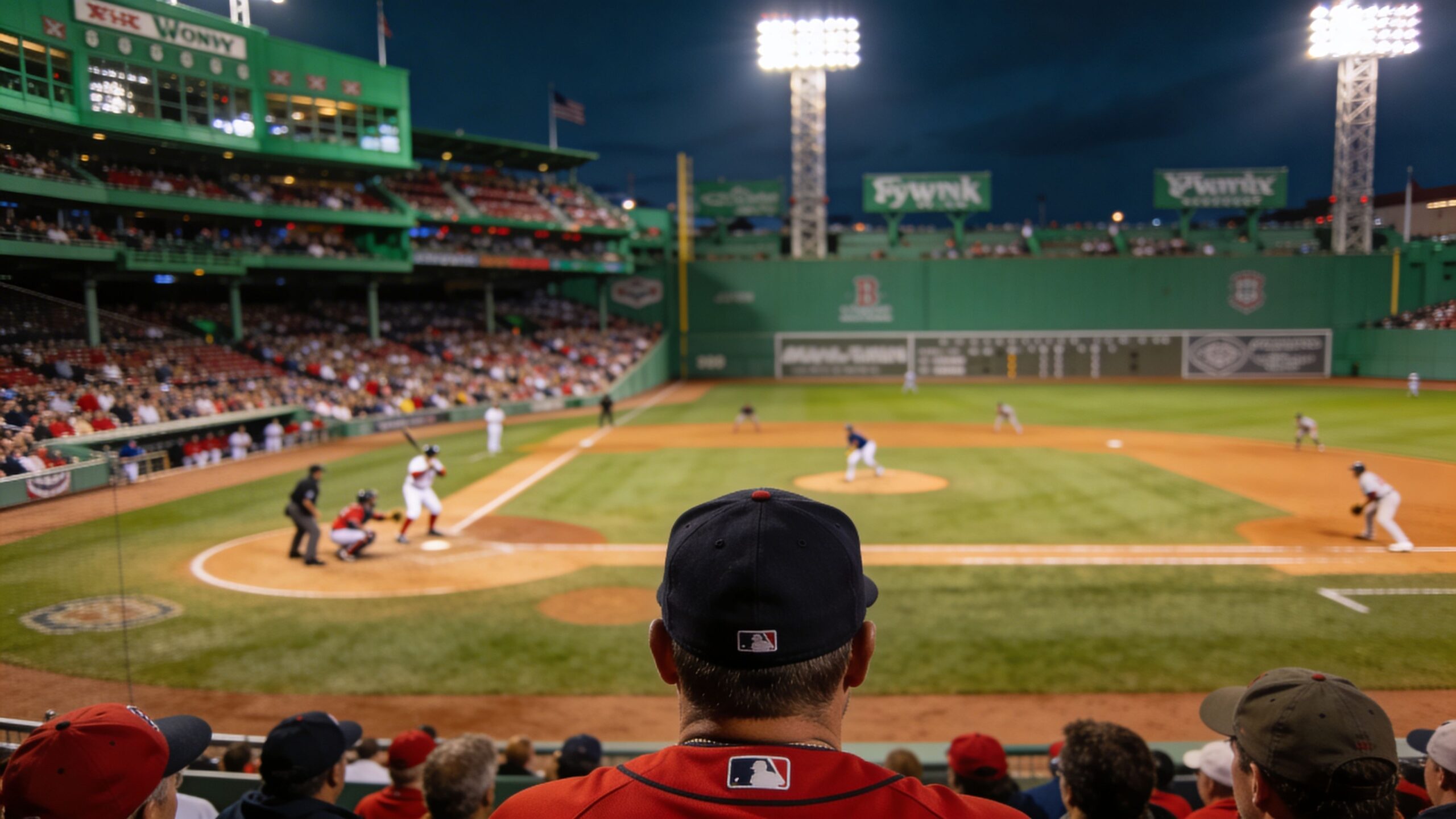
Fenway Park is more than the home of the Boston Red Sox. It is one of the most famous and beloved stadiums in all of sports, a place where baseball history is not framed behind glass or preserved only in memory, but still lives in the walls, the seats, the sightlines, and the sounds of game day. Opened in 1912, Fenway Park remains the oldest active ballpark in Major League Baseball, and that fact alone gives it a special place in the sport. Yet its true magic comes from something deeper than age. Fenway matters because it still feels immediate, emotional, and alive. For many fans, the first glimpse of Fenway Park is unforgettable. The surrounding city streets tighten around the stadium, the brick exterior radiates history, and the moment the field opens into view can feel almost overwhelming. The Green Monster rises beyond left field like a giant reminder that this is no ordinary venue. The seating angles are unusual, the dimensions are quirky, and the entire structure seems shaped by a different era of baseball thinking. That uniqueness is not a flaw. It is the reason Fenway has become sacred ground for generations of fans. Every game here feels connected to a century of baseball stories.
A: Its age, Green Monster, Red Sox history, and unique field design make it one of baseball’s most iconic parks.
A: Fenway Park opened in 1912.
A: It is Fenway’s towering left-field wall and one of the sport’s most recognizable features.
A: Yes, it is one of the top must-visit ballparks in Major League Baseball.
A: Absolutely. Its architecture, closeness, and atmosphere make the history feel immediate.
A: The wall, corners, poles, and angles create one of baseball’s most unusual playing environments.
A: Yes, upgrades improved comfort while preserving the park’s essential identity.
A: The unique outfield, wall caroms, and odd dimensions create challenges not found at most parks.
A: Red Sox fans bring deep knowledge, strong emotion, and intense energy to the ballpark.
A: It offers authentic baseball history, powerful atmosphere, and a setting unlike anywhere else in MLB.
The Origins of a Baseball Landmark
Fenway Park opened in the early twentieth century at a time when professional baseball was still defining much of its visual identity. The Red Sox needed a new home, and the result was a compact urban ballpark built into Boston’s Fenway neighborhood. Like many classic parks of its era, Fenway was designed around the realities of city blocks, surrounding streets, and available land rather than around modern symmetry or large-scale parking plans. That practical beginning helped give the stadium the distinctive shape and character it still carries today.
Over the decades, Fenway Park evolved while somehow holding on to its essence. Fire, renovation, ownership changes, and the passing of baseball eras all could have transformed it beyond recognition or pushed it toward replacement. Instead, Fenway adapted. It absorbed change slowly and selectively, allowing modern upgrades to coexist with century-old identity. This ability to evolve without losing its soul is one of the reasons the stadium remains so revered. It is not simply old. It is enduring.
The Green Monster and the Signature of Fenway
No feature defines Fenway Park more clearly than the Green Monster. Towering above left field, this enormous wall is one of the most iconic structures in sports. It changes the geometry of the field, the strategy of the game, and the emotional texture of watching baseball in Boston. A routine fly ball that might be an easy out elsewhere can clang high off the wall for a double at Fenway. A line drive that seems too high can become a dramatic home run. Left field in Boston plays by its own rules, and the Green Monster is the reason. What makes the wall so fascinating is that it is both practical and mythic. It was originally built as a response to the stadium’s confined urban footprint, yet over time it became one of baseball’s most celebrated quirks. Fans do not merely admire it. They measure Fenway itself through it. The wall gives the park an unmistakable silhouette and turns almost every ball hit to left into a moment of suspense. Few stadium elements in any sport do as much to define the identity of a place.
A Ballpark of Quirks, Angles, and Baseball Personality
Fenway Park does not look or play like a modern stadium built from a template. Its dimensions are famously irregular, its outfield angles create unpredictable caroms, and its intimate seating arrangements produce one of baseball’s most distinctive viewing experiences. From Pesky’s Pole in right field to the deep triangle in center, the ballpark is filled with idiosyncrasies that make every game feel different from what fans might see elsewhere.
These quirks are central to Fenway’s charm. They remind fans that baseball once grew through local conditions and unique spaces rather than through standardized design. The result is a stadium with genuine baseball personality. Players have to adjust. Outfielders learn the wall and corners. Hitters dream of exploiting the dimensions. Pitchers must understand how certain contact behaves in this environment. In an age when so many venues can blend together, Fenway remains unforgettable because it still feels singular.
Intimacy, Noise, and the Red Sox Crowd
Fenway Park is not a giant stadium by modern standards, but that is one of its greatest strengths. Its compact dimensions bring fans close to the field, which helps create a powerful connection between crowd and game. Even ordinary moments can feel amplified because the seating bowl wraps the action with intensity. When the Red Sox are playing meaningful baseball, Fenway can feel less like a venue and more like a force. There is a very specific kind of noise inside Fenway Park. It is layered with anticipation, emotion, and deep baseball literacy. Red Sox fans do not simply fill the stadium. They animate it. Their reactions are sharp, immediate, and often thunderous. A big strikeout, a line drive into the gap, a visit to the mound in a tense inning, or a towering shot toward left can send a wave through the stands that feels historic even in the moment. This atmosphere is one reason Fenway remains one of the sport’s most intimidating and exhilarating places to play.
Boston, the Neighborhood, and the Urban Ballpark Experience
One of Fenway Park’s most compelling qualities is its relationship with the city around it. Unlike ballparks surrounded by vast parking lots and isolated from their neighborhoods, Fenway feels embedded in Boston. The streets nearby are part of the ritual. Fans approach the stadium on foot, surrounded by restaurants, bars, brick buildings, and the hum of game-day conversation. The experience begins long before the first pitch and continues long after the final out.
This urban setting makes Fenway feel intimate not just inside the gates but outside them as well. It does not stand apart from the city. It belongs to it. The ballpark feels woven into Boston’s cultural and emotional fabric in a way that few sports venues manage. That connection strengthens the sense that visiting Fenway is not merely attending a game. It is stepping into a neighborhood tradition that has unfolded for generations.
The Legends Who Made Fenway Immortal
A historic stadium becomes truly legendary when its physical character is matched by the greatness of the players and moments it has hosted. Fenway Park has seen more than its share. Over more than a century, it has been the stage for some of baseball’s most celebrated stars, unforgettable performances, and emotionally charged turning points. Red Sox history is inseparable from the ballpark, and the ballpark’s mystique has only grown because of the stories played out on its field. The names associated with Fenway span generations, from early Red Sox icons to modern heroes. Each era added new layers to the stadium’s identity. Fans do not only remember what happened; they remember where it happened within the park. A drive off the Monster, a home run curling around the right-field pole, a pitching masterpiece under the lights, a postseason rally that shook the building—Fenway is full of these location-specific memories. That is part of what makes it feel almost narrative in structure. Every corner seems tied to a story.
From Curse to Celebration
For much of the twentieth century, Fenway Park was associated not only with history and love but also with heartbreak. Red Sox fans remained fiercely loyal through decades without a championship, and the ballpark became a symbol of yearning as much as devotion. The emotional tension of that era gave Fenway an unusual atmosphere. It was deeply loved, but also haunted by near-misses, bad luck, and the weight of expectation.
When the Red Sox finally broke through and won the World Series in 2004, the emotional significance transformed Fenway forever. The ballpark did not lose its history of suffering, but that history was suddenly joined by release, triumph, and joy. Later championships only reinforced that shift. Fenway became not just a monument to waiting, but a place of fulfilled belief. That emotional arc has made the ballpark even richer. It now carries both the pain that shaped generations of fans and the celebration that redeemed them.
The View From the Monster and the Modern Fan Experience
One of the most famous modern additions to Fenway Park is the seating atop the Green Monster. It is a perfect example of how the stadium has embraced change while deepening its identity instead of compromising it. Watching a game from atop one of baseball’s most iconic features offers fans a perspective that feels both contemporary and deeply connected to the park’s myth. Fenway’s broader fan experience has also evolved in thoughtful ways. Amenities have improved, concourses have been modernized where possible, and premium spaces have been added to meet contemporary expectations. Yet the stadium never feels stripped of its essential character. The narrowness of certain walkways, the intimacy of the bowl, and the old-ballpark personality remain central to the experience. Fenway proves that modernization does not have to mean sterilization. It can mean making a beloved place more usable while protecting the qualities that made it beloved in the first place.
The Baseball Experience Between the Lines
Fenway Park is not just aesthetically distinctive. It also produces a style of baseball shaped by its unique environment. Left-handed hitters may dream of the short right field dimensions, while right-handed hitters learn how to use the Green Monster to their advantage. Outfielders must master unusual rebounds, and pitchers must understand how the park’s dimensions can turn ordinary contact into trouble.
These factors make Fenway a fascinating stadium for serious baseball fans. Strategy matters here in highly visible ways. Defensive positioning, pitching approach, and batting style can all be influenced by the park itself. Baseball at Fenway often feels more textured because the venue is so active in shaping outcomes. It is not a neutral stage. It is part of the action, which is exactly what many fans love most about classic ballparks.
Why Fenway Still Feels Timeless
The remarkable thing about Fenway Park is that even after more than a century, it does not feel frozen. It feels timeless. That is a different and more powerful quality. A frozen stadium can become a museum. A timeless stadium remains usable, relevant, and emotionally alive. Fenway still hosts meaningful games, still energizes crowds, and still creates new memories. Fans return not just to honor the past but to experience the present in a place that gives the present extra weight. This timelessness comes from balance. Fenway honors tradition without depending solely on nostalgia. It feels historic without feeling distant. It welcomes first-time visitors and lifelong fans in equal measure. It allows people to sense the sport’s long history while still getting caught up in the immediate drama of a ninth inning, a pennant chase, or a perfect summer evening in Boston. Few venues achieve that kind of balance as naturally as Fenway does.
Why Fenway Park Remains One of Baseball’s Greatest Destinations
Every baseball fan seems to have a personal list of must-visit stadiums, and Fenway Park almost always sits at or near the top. That is because it offers something more than a polished day out. It offers authenticity. It offers intimacy. It offers visible history on every side. Whether a visitor comes for the architecture, the Red Sox tradition, the Green Monster, or simply the desire to see the oldest active ballpark in the majors, Fenway delivers a sense of occasion that newer venues often struggle to match.
Its greatness is not based on perfection. In many ways, Fenway’s imperfections are exactly what make it unforgettable. Its narrow spaces, odd angles, historic constraints, and strange beauty all contribute to its character. Fans do not travel to Fenway expecting a generic luxury experience. They come for something real, something textured, something shaped by time. That is why the ballpark continues to hold such power over the baseball imagination.
More Than a Stadium, a Baseball Institution
In the end, Fenway Park is not just a place where the Red Sox play. It is one of baseball’s defining institutions, a stadium that has outlasted eras, reinvented itself without losing identity, and remained central to the sport’s emotional life. It stands as a reminder that a ballpark can be more than concrete, steel, and seats. It can become a symbol of a city, a franchise, and the game itself. For Boston fans, Fenway Park is home. For baseball travelers, it is a pilgrimage. For the sport as a whole, it is one of the clearest expressions of why place matters so much in baseball. Every game played there becomes part of a much longer story. Every fan who walks through its gates joins that story for a little while. That is why exploring Fenway Park means exploring something larger than a stadium. It means stepping into baseball history while it is still being written.