A Ballpark That Feels Like Baseball History Come to Life
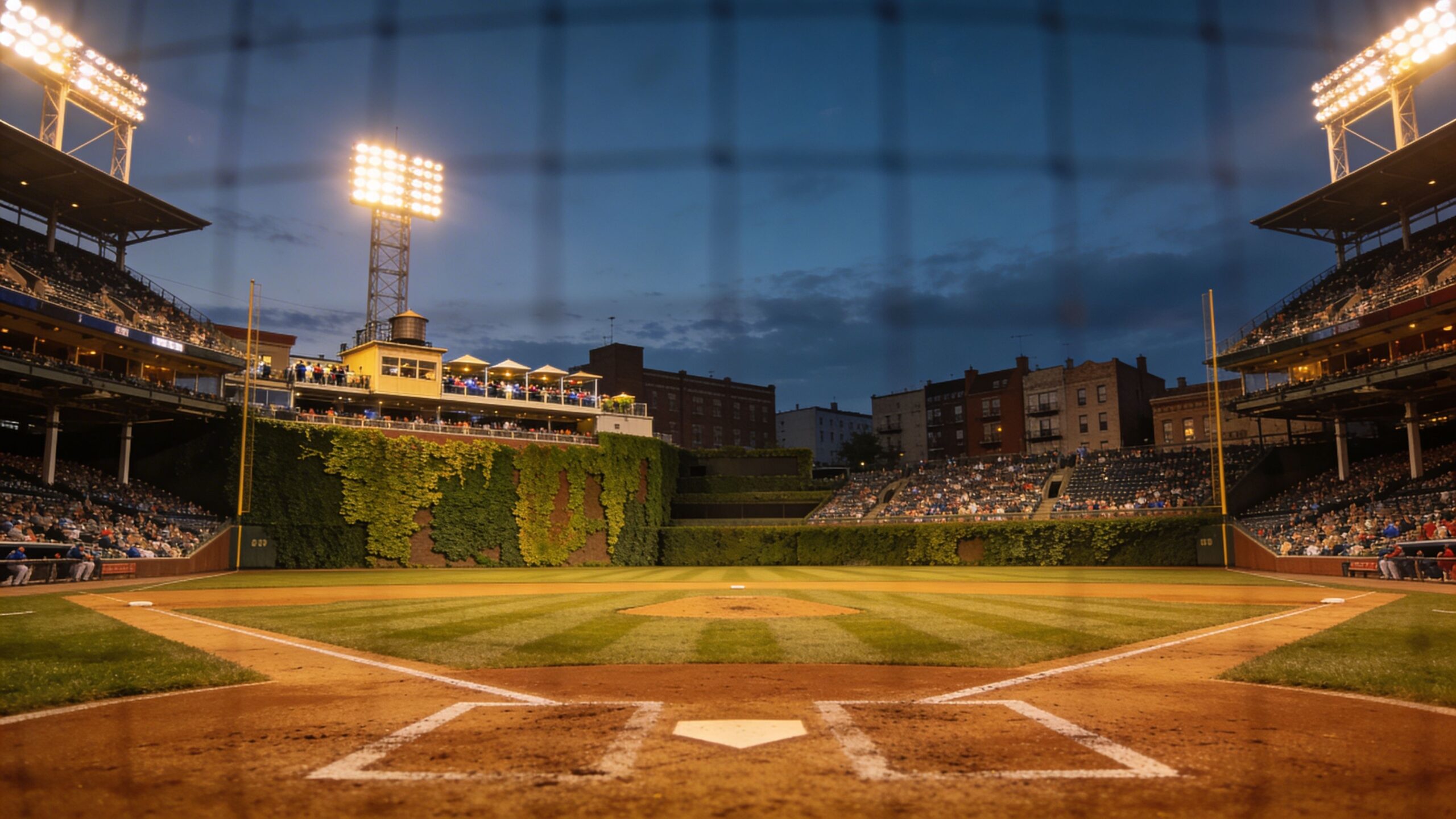
Wrigley Field is not simply a place where the Chicago Cubs play baseball. It is one of the sport’s great living landmarks, a stadium where every view, every brick wall, and every gust of wind seems to carry echoes of another era. Tucked into the heart of Chicago’s Wrigleyville neighborhood, the ballpark remains one of Major League Baseball’s most beloved destinations because it offers something more than a modern entertainment experience. It offers continuity. It offers identity. It offers the feeling that baseball, at its best, is not just a game but a tradition passed from one generation to the next. For many fans, the magic of Wrigley Field begins before they ever reach their seats. The surrounding neighborhood hums with pregame energy, the old ballpark exterior radiates character, and the first glimpse of the field often feels almost cinematic. The deep green ivy, the hand-operated scoreboard, the compact seating bowl, and the proximity of the city beyond the outfield all combine to create a setting unlike any other. Wrigley Field is famous because it is old, but it is beloved because it still feels alive. It has not been frozen in time. It continues to breathe, cheer, evolve, and matter.
A: It is located in Chicago’s Wrigleyville neighborhood on the North Side.
A: Its age, ivy walls, scoreboard, Cubs history, and neighborhood atmosphere make it one of baseball’s most iconic parks.
A: It is Wrigley Field’s famous nickname, reflecting the stadium’s intimate and welcoming character.
A: They are covered in ivy, creating one of the sport’s most recognizable visual features.
A: Yes, they make the surrounding neighborhood feel like part of the ballpark itself.
A: Very much. Wind and seasonal conditions can strongly shape how games play out.
A: Yes, it is one of the top must-visit ballparks in Major League Baseball.
A: Yes, upgrades improved comfort and amenities while preserving the park’s historic identity.
A: The history, closeness of the crowd, neighborhood energy, and ever-changing weather all stand out.
A: It offers timeless baseball atmosphere, emotional connection, and one of the sport’s most distinctive settings.
From Early Ballpark to Baseball Cathedral
Wrigley Field opened in 1914, making it one of the oldest and most historically important parks in professional baseball. Long before the stadium became synonymous with Cubs baseball, it began as a home for the Chicago Whales of the Federal League. The Cubs moved in a short time later, and from that point forward, the stadium became inseparable from the identity of the franchise. Over the decades, it witnessed triumph, heartbreak, legends, rebuilding years, and one of the most emotional championship breakthroughs in modern sports.
The remarkable thing about Wrigley Field is that it has survived not by resisting change entirely, but by absorbing it carefully. While many historic venues disappeared, Wrigley remained. Its structure evolved, its amenities improved, and its surrounding neighborhood changed, yet the soul of the ballpark endured. That endurance is a big part of what makes it so compelling. Fans are not just visiting an old building. They are stepping into a place that has remained relevant across generations of baseball history.
The Friendly Confines and Their Unique Character
The phrase “Friendly Confines” is one of the most famous nicknames in sports, and it captures something essential about Wrigley Field. The stadium feels intimate, warm, and personal in a way that many larger modern parks do not. The seating bowl wraps the field with closeness, the sightlines feel immediate, and the ballpark’s scale creates a stronger bond between crowd and game. That intimacy does not make the park quiet or gentle. Wrigley can be thunderous when the Cubs are rolling, especially during meaningful summer series or late-season drama. But even at its loudest, it rarely feels impersonal. The stadium’s compact nature keeps fans connected not only to the action but also to each other. That sense of shared experience is one reason Wrigley visits tend to feel memorable even when the game itself is uneventful. The ballpark has enough personality to carry the day on its own.
Ivy, Brick, and a Visual Identity Like No Other
Few stadiums in the world have a visual signature as instantly recognizable as Wrigley Field. The ivy-covered outfield walls have become one of baseball’s defining images, adding texture, color, and a sense of living history to the playing field. During the warmer months, the ivy turns lush and deep, making the outfield look almost storybook-like. It softens the stadium’s lines while reinforcing the sense that baseball here is rooted in tradition and seasonality.
Then there is the brick. Wrigley Field’s brick walls, both inside and outside the park, contribute to its timeless appearance. Rather than feeling decorative, they feel structural and authentic. The combination of brick, steel, ivy, and the famous scoreboard creates a ballpark aesthetic that no replica can truly imitate. Many stadiums have borrowed from classic design. Wrigley Field does not borrow from anyone. It simply remains itself.
The Hand-Operated Scoreboard and the Beauty of Baseball Simplicity
In a sport now filled with massive video boards and elaborate digital displays, Wrigley Field’s hand-operated center-field scoreboard remains one of its most cherished features. Rising above the ivy in center field, it is both a practical piece of baseball infrastructure and a symbol of continuity. There is something deeply satisfying about seeing line scores displayed in such a direct, physical, and traditional way. The scoreboard is a reminder that not every great baseball experience needs to be overloaded with flashing screens and spectacle. At Wrigley, the game itself remains the centerpiece. The scoreboard supports that simplicity rather than competing with it. For fans, it creates a visual anchor in the stadium, a familiar and beloved presence that ties the modern game to baseball’s older rhythms. It is not just nostalgic. It is elegant.
Wrigleyville and the Neighborhood Ballpark Experience
One of Wrigley Field’s greatest strengths is that it sits inside a living neighborhood rather than inside a self-contained sports complex. The ballpark is woven directly into Wrigleyville, which means game day spills into streets, bars, restaurants, rooftops, and sidewalks in a way that few Major League parks can match. Arriving at the stadium feels like entering a baseball district that has grown naturally over time rather than being artificially constructed around the team.
This relationship between ballpark and neighborhood makes Wrigley Field especially rich as a travel experience. Fans do not simply drive in, park in a giant lot, and disappear into the stadium. They move through a community that shares the ballpark’s identity. The sound of pregame crowds, the sight of Cubs gear filling the streets, and the rooftop seating beyond the outfield all reinforce the idea that Wrigley is not isolated from Chicago. It is embedded in it.
The Rooftops Beyond the Outfield
Few ballpark traditions are as unusual or charming as the rooftop viewing experience beyond Wrigley Field’s outfield. Perched atop surrounding buildings, these rooftops have become a symbol of the park’s neighborhood setting and one of the most distinctive features in baseball. They offer a perspective on the game that feels at once improvised, historic, and unmistakably Chicago. The rooftops also capture the spirit of Wrigley Field itself. This is a ballpark that exists in conversation with the city around it. The game does not end at the outfield wall. It continues into the architecture and life of the neighborhood. Even from inside the stadium, the sight of fans watching from nearby rooftops enhances the experience. It reminds everyone that baseball here is not confined to one structure. It is part of a broader urban ritual.
Wind, Weather, and the Way the Ballpark Plays
Wrigley Field is one of the rare ballparks where weather can feel like a true participant in the game. The wind, in particular, has long shaped the park’s identity. On some days, it blows in from Lake Michigan and turns the stadium into a difficult environment for hitters. On others, it pushes outward and transforms routine fly balls into dramatic home runs. Few venues in Major League Baseball have conditions that can change the style of play so visibly and so quickly.
This unpredictability adds to the park’s mystique. Fans talk about the wind at Wrigley the way golfers talk about a tricky course or sailors talk about shifting currents. It becomes part of the strategy, part of the storytelling, and part of the memory of specific games. Add in cold April afternoons, warm July sunshine, and crisp autumn air, and Wrigley Field becomes a stadium where the seasons truly matter. Baseball here feels connected to nature in a way that enclosed or climate-controlled venues can never quite replicate.
Cubs History, Heartbreak, and Lasting Devotion
No profile of Wrigley Field would be complete without acknowledging the emotional history tied to the Cubs and their fan base. For decades, the ballpark was associated with longing as much as love. It stood as a monument to baseball devotion even while championships remained elusive. That emotional tension became part of the Cubs identity and part of what made Wrigley so special. Fans did not love the stadium only because of victory. They loved it because of loyalty, memory, and belonging. When the Cubs finally won the World Series in 2016, the significance rippled through the ballpark itself. Wrigley Field became not only a symbol of endurance but also a witness to redemption. That championship did not erase the decades before it. Instead, it deepened their meaning. The ballpark now carries both the romance of old baseball suffering and the joy of long-awaited celebration. Few places in sports contain that emotional range.
Renovation and Preservation in Balance
One of the most impressive achievements in recent years has been Wrigley Field’s ability to modernize without sacrificing its identity. Improvements to concourses, seating areas, club spaces, and infrastructure have helped the park remain functional and fan-friendly in a modern era. Yet the essence of Wrigley remains intact. The key architectural features, visual landmarks, and emotional feel of the stadium still define the experience.
This balance is difficult to achieve. Too much change can strip a historic park of its character, while too little can make it feel outdated and inconvenient. Wrigley has managed a path between those extremes. Fans can still enjoy the classic beauty that made the park famous while benefiting from upgrades that make visits more comfortable. The result is a stadium that feels both historic and usable, preserved but not embalmed.
Food, Atmosphere, and the Rhythm of a Day at Wrigley
Part of the joy of visiting Wrigley Field is that the experience unfolds gradually. It begins outside with the neighborhood energy, continues through the concourses and seating bowl, and settles into the pace of the game itself. The food, drinks, and crowd rituals all contribute to the ballpark’s atmosphere. Nothing feels detached from the larger identity of the place. Even a simple afternoon game can feel rich with texture because the ballpark and its surroundings supply so much character. The overall rhythm of a day at Wrigley is one of its greatest strengths. It invites lingering. Fans often arrive early, stay engaged throughout the game, and remain in the area afterward. The stadium does not feel like a temporary stop. It feels like the center of a full-day baseball experience. That is part of why it remains so loved by travelers and locals alike. A visit is rarely just about the nine innings.
Why Wrigley Field Remains One of MLB’s Greatest Destinations
Every generation of baseball fans makes its own list of must-see ballparks, and Wrigley Field remains near the top for a reason. It offers history without stiffness, beauty without gimmickry, and energy without losing its intimate spirit. It feels authentic in ways that are increasingly rare in professional sports. Even people who do not root for the Cubs often leave with a deep appreciation for the place.
There are newer stadiums with bigger amenities and more dramatic technology, but Wrigley Field offers something harder to build: emotional credibility. It has earned its place in baseball culture through time, memory, and consistency. That is why fans keep returning and why first-time visitors often talk about the park with such affection. Wrigley does not need to convince anyone that it matters. The moment you enter, you can feel it.
More Than a Stadium, a Baseball Pilgrimage
In the end, Wrigley Field is more than a historic venue. It is one of baseball’s great pilgrimages, a place where the sport’s past and present stand beside each other in full view. The ivy still climbs the walls. The scoreboard still rises above center field. The rooftops still watch from beyond the stadium. The Cubs still take the field in one of the game’s most meaningful settings. For baseball lovers, Wrigley Field remains unforgettable because it offers something deeper than spectacle. It offers continuity, character, and a feeling that the game still belongs to places like this. Inside Chicago’s legendary Friendly Confines, baseball feels close, personal, and enduring. That is why Wrigley Field is not just one of Major League Baseball’s most famous ballparks. It is one of its most treasured.