The Moment That Became Baseball Legend
Few moments in the long history of baseball have captured the imagination of fans quite like Kirk Gibson’s dramatic home run in Game 1 of the 1988 World Series. It was the kind of moment that seems almost scripted for Hollywood, yet it unfolded in real time on one of the sport’s grandest stages. The Los Angeles Dodgers were facing the heavily favored Oakland Athletics, a powerhouse team led by slugger Jose Canseco, Mark McGwire, and dominant closer Dennis Eckersley. The Dodgers were underdogs, and their clubhouse leader—Kirk Gibson—was injured so severely that he was not even expected to appear in the game. But in the bottom of the ninth inning, something extraordinary happened. With two outs and a runner on base, Gibson hobbled out of the dugout and toward home plate. He could barely walk, much less swing a bat. Yet moments later, the wooden bat in his hands would produce one of the most unforgettable swings in baseball history. The bat that connected with Eckersley’s pitch that night became more than a piece of equipment. It became a symbol of determination, courage, and the magic that October baseball can produce.
A: It was a walk-off home run hit while Gibson was severely injured in the World Series.
A: Oakland Athletics closer Dennis Eckersley.
A: No, his injuries kept him out of the remaining games.
A: The Oakland Athletics.
A: Bottom of the ninth inning in Game 1.
A: Legendary broadcaster Vin Scully delivered the iconic call.
A: Yes, they defeated Oakland in five games.
A: Yes, he won the 1988 National League MVP award.
A: In the right-field pavilion at Dodger Stadium.
A: It represents one of the most dramatic swings in baseball history.
A Season of Grit and Leadership
Before the dramatic swing that would define his career, Kirk Gibson had already established himself as one of the fiercest competitors in Major League Baseball. Known for his intense playing style and emotional leadership, Gibson had spent much of the 1980s building a reputation as a player who thrived in big moments.
When he joined the Los Angeles Dodgers in 1988, the team was in need of a spark. The roster did not boast the overwhelming star power of other clubs, but Gibson brought something just as valuable: relentless energy and belief. His leadership helped shape the Dodgers into a disciplined, confident team that refused to be intimidated by stronger opponents.
During the regular season, Gibson delivered one clutch hit after another. He hit 25 home runs, drove in 76 runs, and played with a level of passion that energized the entire roster. His impact was so significant that he was eventually named the National League Most Valuable Player. But as the Dodgers advanced to the World Series, Gibson’s body began to betray him. Injuries to both legs left him barely able to run. By the time Game 1 arrived, many believed his postseason contributions were finished.
Game 1: Dodgers vs. Athletics
The matchup between the Dodgers and the Athletics in the 1988 World Series seemed lopsided from the start. Oakland possessed one of the most powerful lineups in baseball. Their pitching staff was anchored by Dennis Eckersley, one of the most dominant closers the sport had ever seen. Early in Game 1, Oakland appeared to confirm expectations. Jose Canseco crushed a towering grand slam that sent a wave of energy through the Athletics’ dugout. The Dodgers trailed late in the game, and the outcome seemed all but decided.
As the ninth inning approached, Kirk Gibson sat in the clubhouse receiving treatment for his injuries. He could hardly move without pain. Even so, he continued to take slow practice swings in the batting cage, hoping for a chance to contribute if the moment somehow arrived. It was a long shot. But baseball has always been a sport where improbable moments can change everything.
The Unexpected Walk to the Plate
With two outs in the bottom of the ninth inning, Dodgers manager Tommy Lasorda faced a decision. Mike Davis worked a walk to bring the tying run aboard. The next batter was scheduled to be the pitcher’s spot in the lineup. At that moment, Lasorda looked toward the tunnel and saw Gibson emerging from the clubhouse. The injured slugger slowly made his way to the dugout steps. The crowd at Dodger Stadium erupted as they realized what was happening.
Gibson grabbed a bat and prepared to face Dennis Eckersley.
Every step toward the batter’s box looked painful. His legs were stiff and unstable. He could barely twist his body during warmup swings. Yet his eyes showed the same intensity that had defined his entire career. The stage was set for a confrontation that would become one of the greatest moments in baseball history.
The Pitch That Changed Everything
Dennis Eckersley was one of the most feared closers in the game. His command was legendary, and his confidence on the mound was nearly unshakable. Facing an injured hitter who could barely stand, Eckersley likely believed the at-bat would end quickly.
The first few pitches confirmed Gibson’s physical struggle. He swung awkwardly, clearly fighting through pain with every movement. But he refused to back down. Then came the pitch. Eckersley delivered a slider that stayed slightly over the plate. Gibson turned on it with everything he had left. The swing was powerful but controlled, the result of years of disciplined hitting. The ball rocketed toward right field. For a brief moment, the stadium seemed frozen in disbelief as the ball carried through the night air. Then it cleared the wall.
The Swing That Echoed Through Baseball History
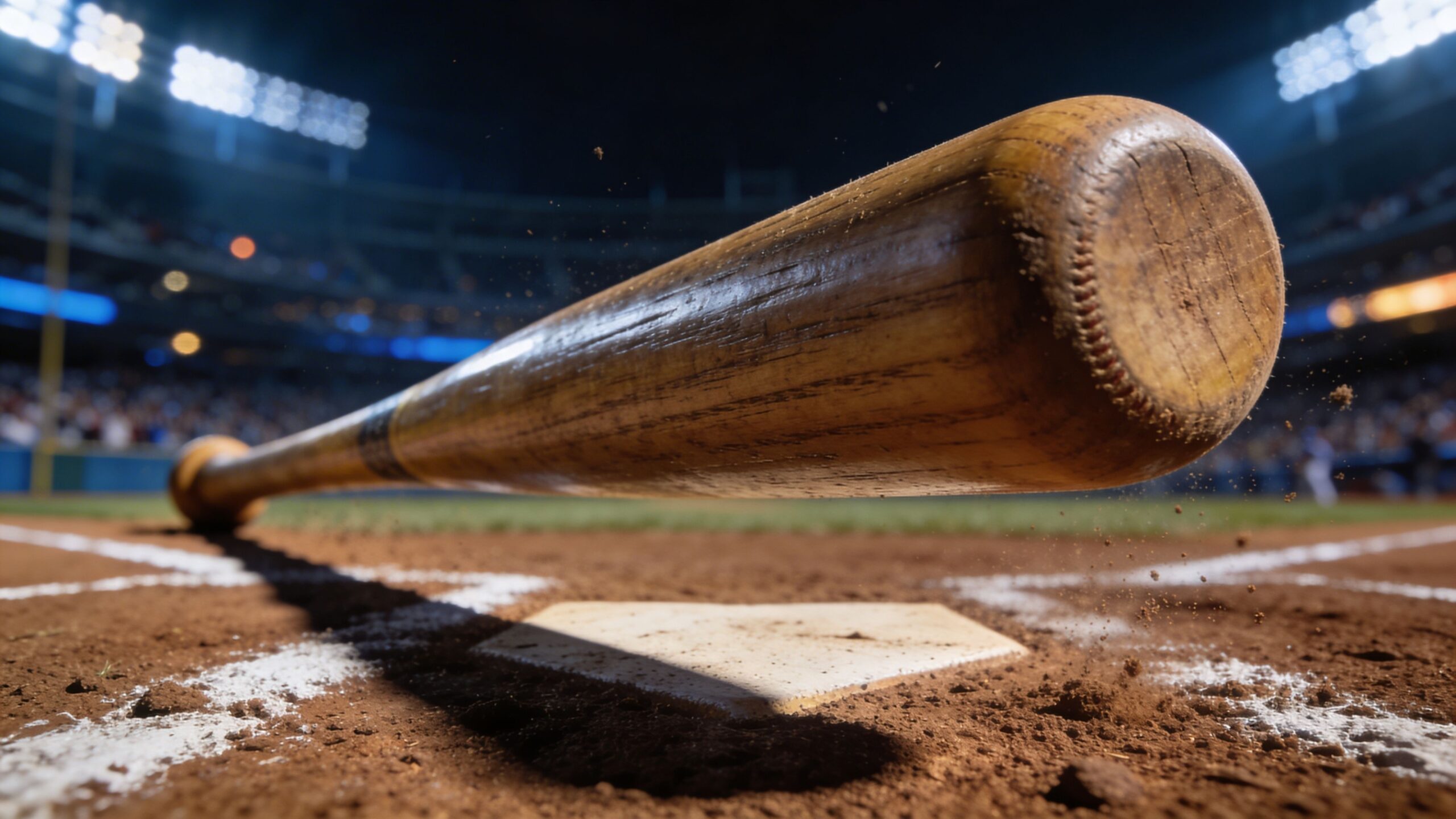
As the baseball sailed into the stands, Dodger Stadium exploded with noise. Fans leapt to their feet, shouting and waving as they realized what had just happened. Gibson dropped his bat and began his slow, unforgettable journey around the bases. Every step was painful, yet his face showed a mixture of determination and triumph. When he reached second base, he pumped his fist in celebration. That simple gesture became one of the most iconic images in sports history. The Dodgers had won the game in dramatic fashion. But more importantly, baseball had witnessed one of its most unforgettable moments. The bat that delivered that swing instantly became a historic artifact.
The Bat Behind the Legend
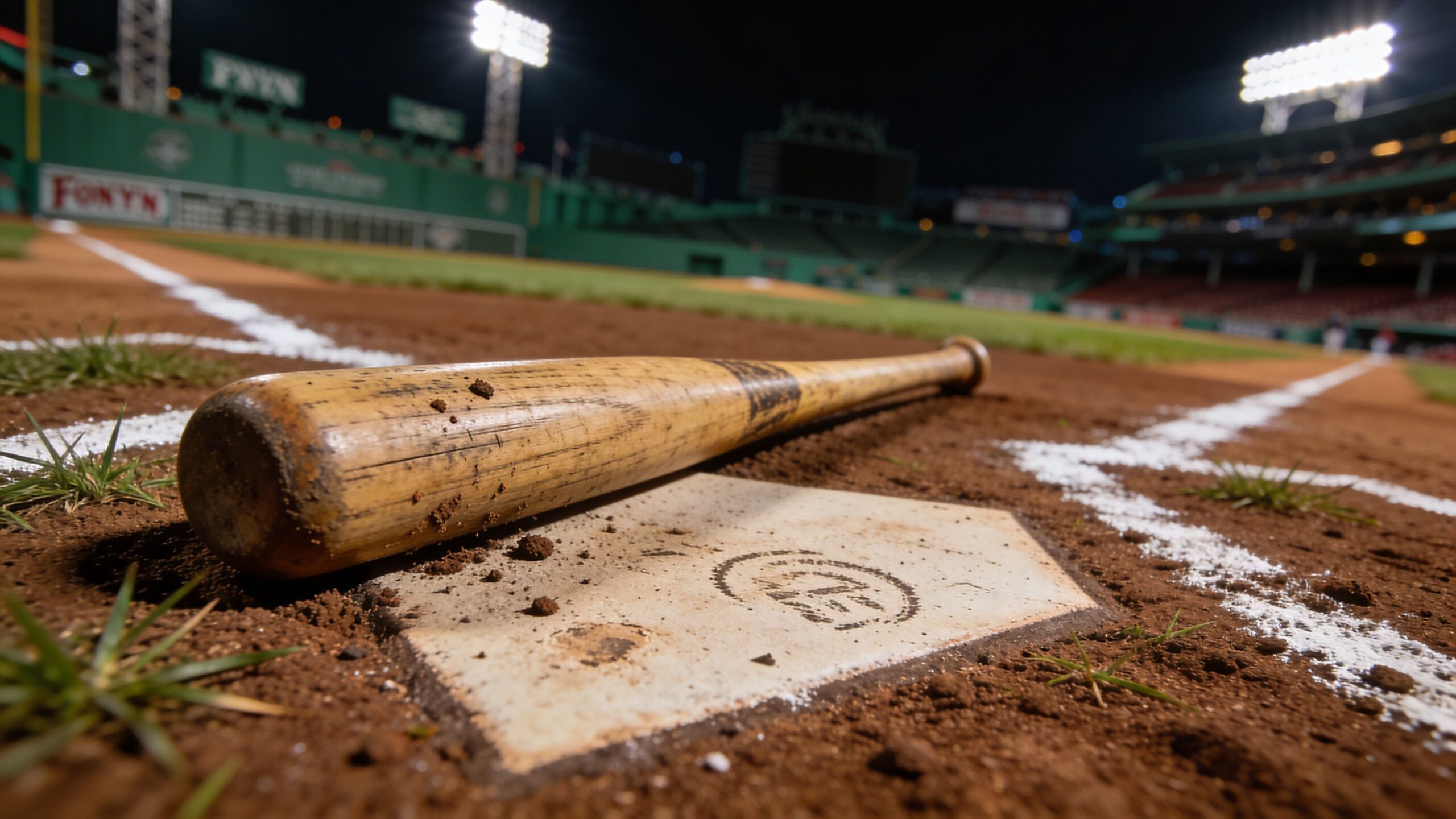
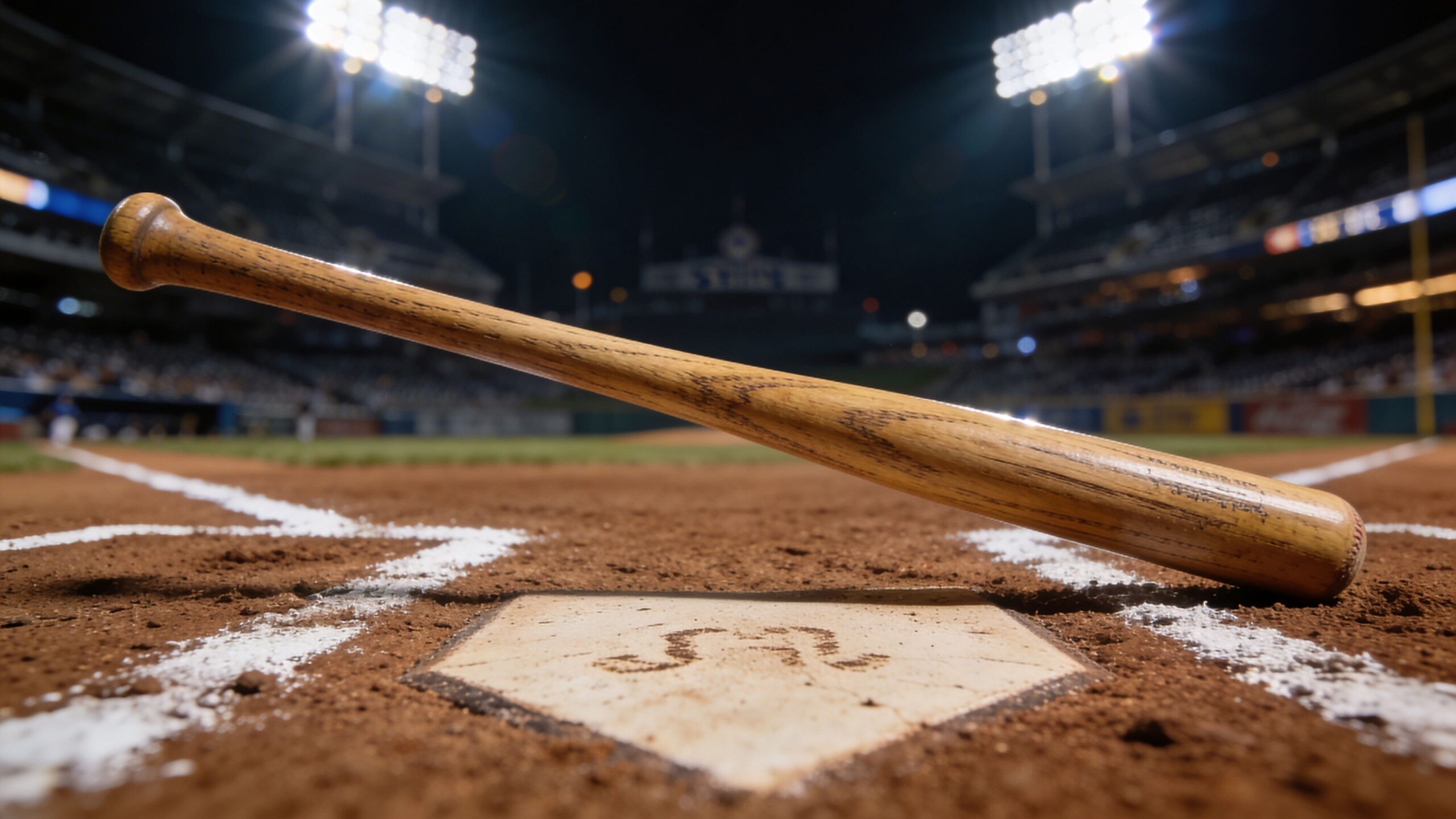
The wooden bat Gibson used during that at-bat was not unusual in design. Like many professional hitters of the era, he favored a classic Louisville Slugger model crafted from high-quality ash wood. Its shape and weight were tailored to match his hitting style—balanced enough for control, yet powerful enough to drive the ball deep into the outfield. What made the bat legendary was not its construction. It was the moment it created.
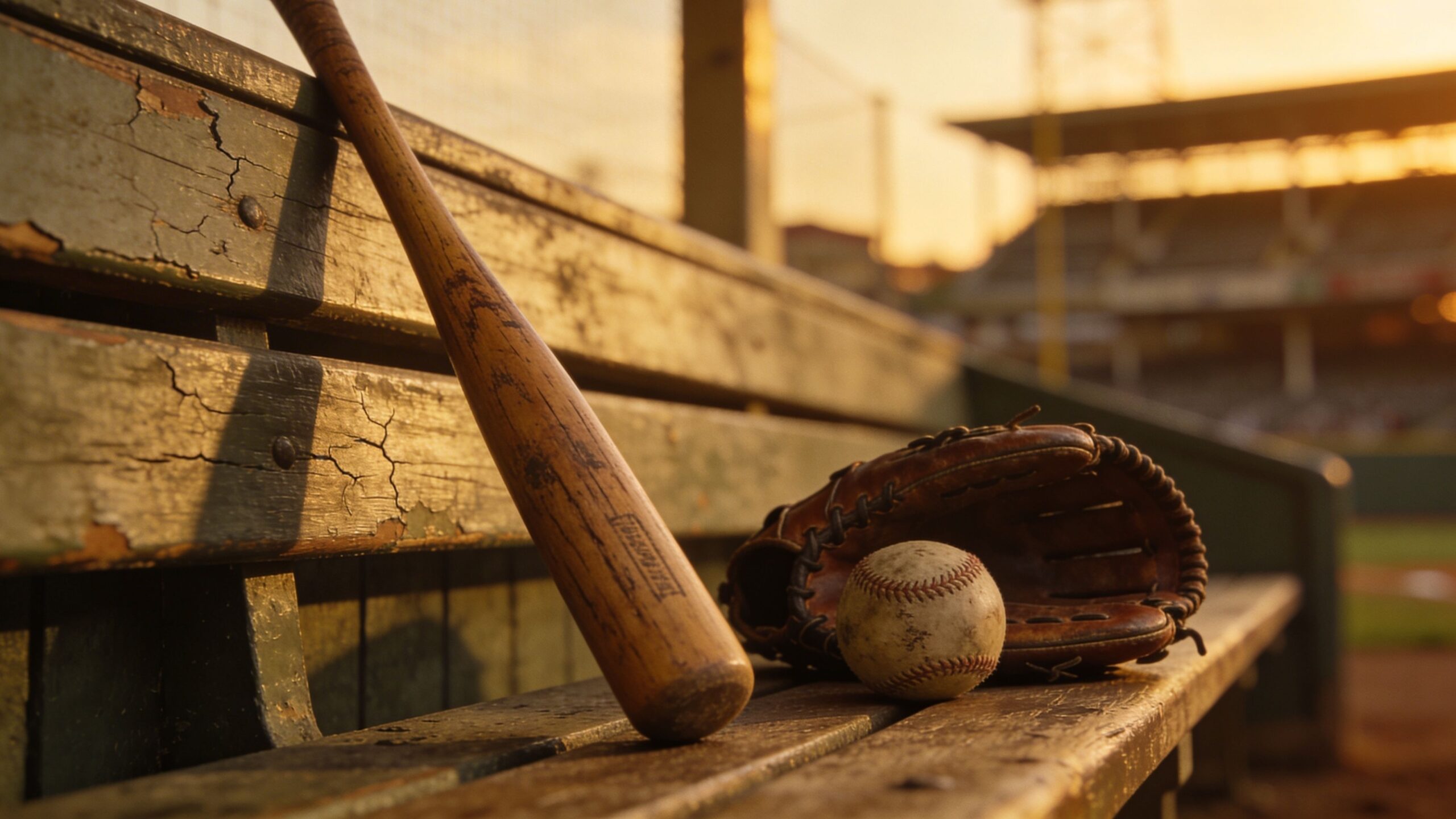
After the game, the bat became an object of fascination for collectors, historians, and fans alike. It represented not just a home run, but a moment of resilience that transcended the sport. Artifacts like Gibson’s bat hold a special place in baseball culture because they connect fans directly to history. Holding such an object allows people to imagine the tension of the moment and the roar of the crowd that followed.
The Broadcast Call That Immortalized the Moment
Part of what made the home run so unforgettable was the iconic broadcast call by legendary announcer Vin Scully. His calm yet dramatic narration perfectly captured the moment’s magnitude. As Gibson rounded the bases, Scully delivered a line that would echo through baseball history: in a year that had been so improbable, the impossible had happened. Those words captured the emotion of the moment. The combination of Gibson’s courage, Eckersley’s dominance, and the Dodgers’ underdog status created a story that felt larger than the sport itself. It was the kind of moment that fans would replay for decades.
The Impact on the 1988 World Series
Gibson’s home run did more than win Game 1. It changed the emotional momentum of the entire series. The Athletics entered the matchup as overwhelming favorites. Their lineup was powerful, their pitching staff dominant, and their confidence high. But Gibson’s dramatic swing shifted the psychological balance.
The Dodgers carried that momentum forward and ultimately defeated Oakland in five games to win the World Series. Gibson never played another inning in the series due to his injuries, yet his presence remained central to the team’s identity. That single swing helped define the championship.
Why the Moment Still Resonates Today
More than three decades later, Gibson’s home run continues to captivate baseball fans. The moment is replayed constantly during postseason broadcasts, documentaries, and highlight reels. Part of its enduring appeal lies in its human story. Gibson was not a perfectly healthy superstar stepping into a routine situation. He was a battered athlete refusing to surrender to circumstances. The drama of the moment reminds fans why baseball’s long season and unpredictable postseason can produce unforgettable stories. Every October, when a player steps into the batter’s box with the game on the line, fans remember the swing that changed everything.
The Bat as a Symbol of Baseball’s Magic
In the end, Kirk Gibson’s 1988 World Series bat represents more than a historic artifact. It symbolizes the emotional power of baseball and the way a single moment can define an era. Thousands of bats have been swung in postseason games, but very few have produced a moment as dramatic as Gibson’s walk-off home run.
That swing combined pain, determination, timing, and pure competitive will. It captured everything that makes baseball compelling.
Even today, fans still talk about that night in Los Angeles when an injured player limped to the plate and changed baseball history with one unforgettable swing. The bat that delivered that moment remains one of the most legendary pieces of gear the sport has ever known.