A Piece of Wood That Changed Baseball
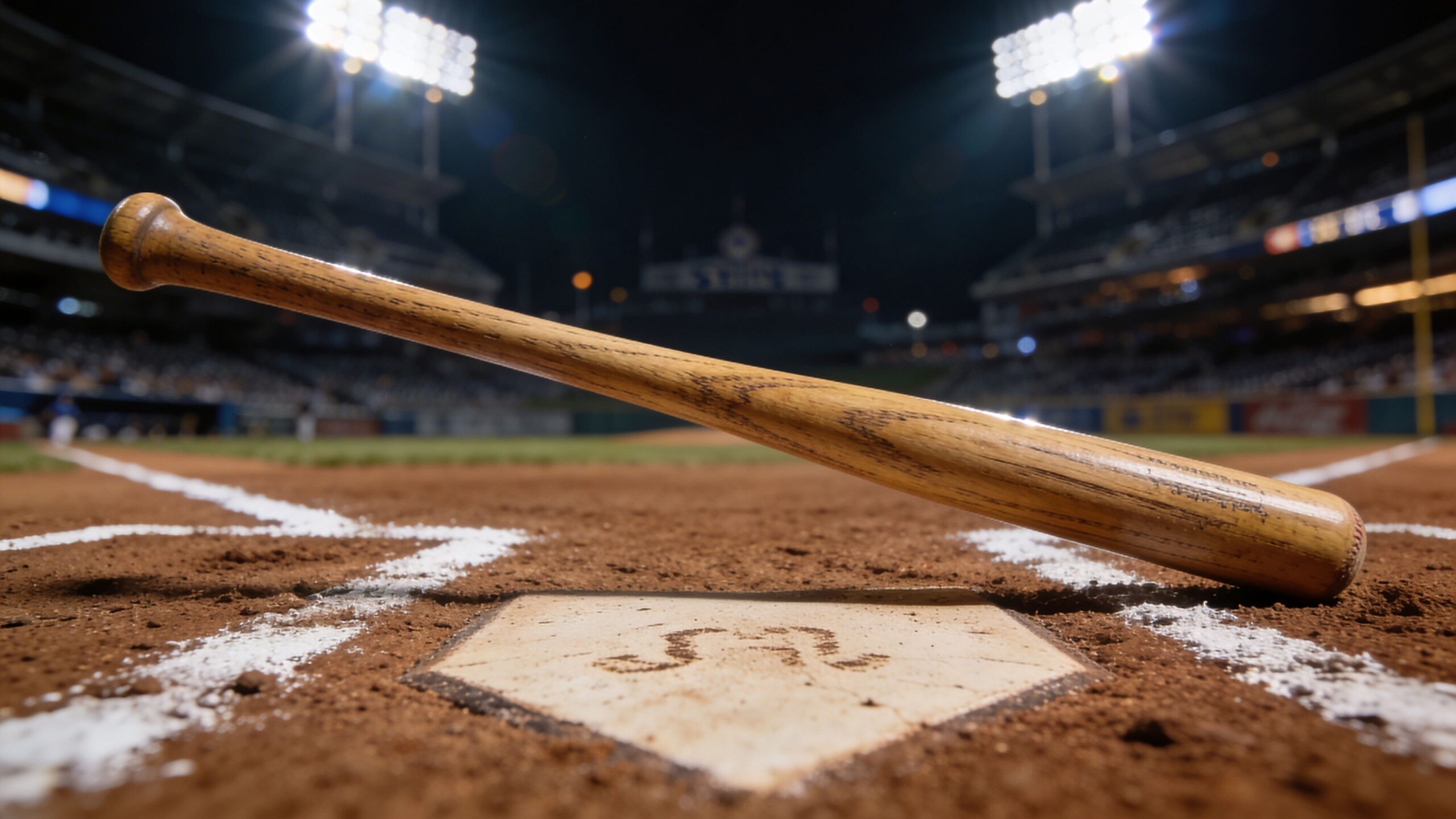
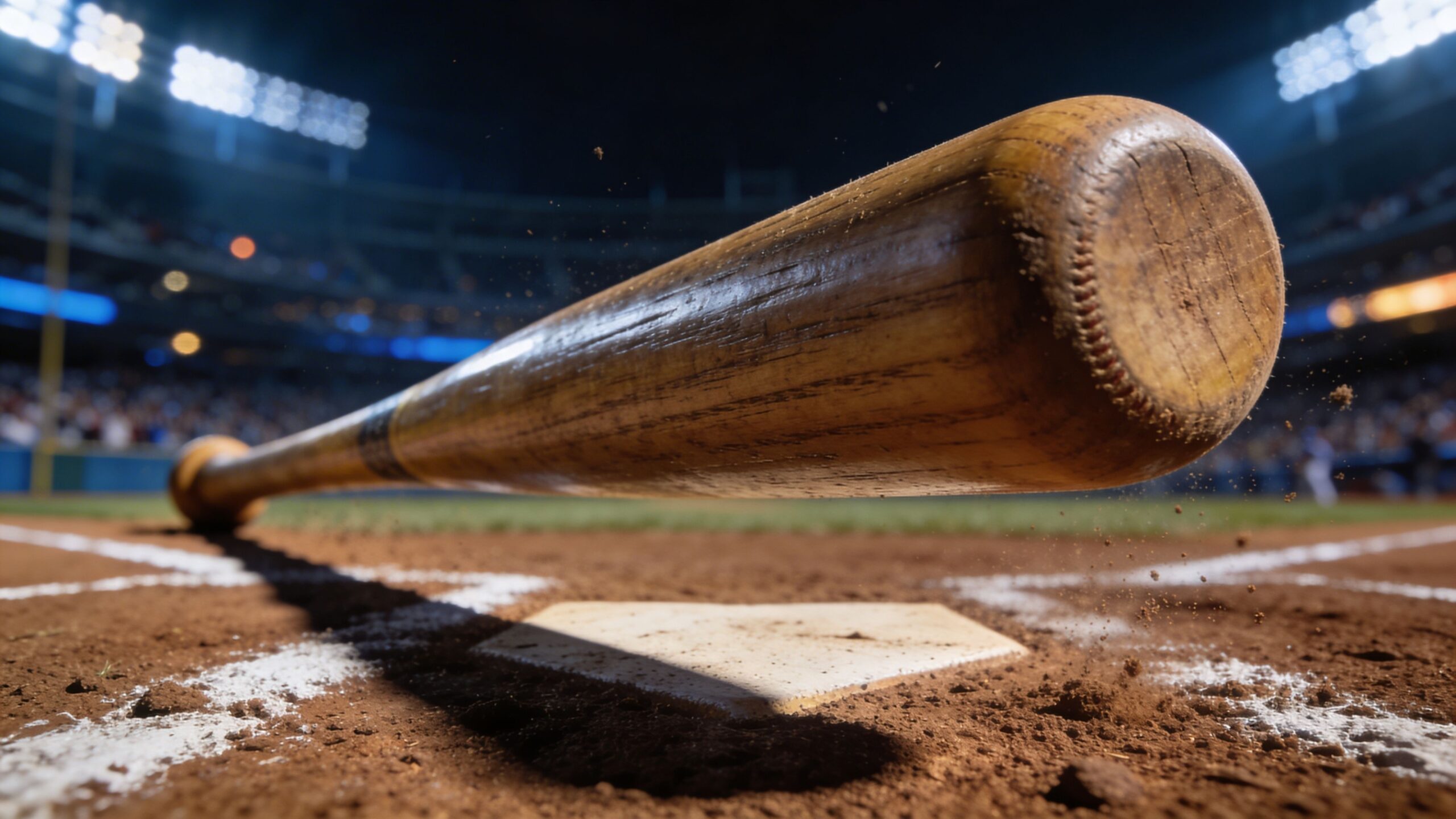
Few objects in sports history carry the mythical weight of Babe Ruth’s baseball bat. To the casual observer, it may appear to be nothing more than a carefully shaped piece of wood. Yet in the hands of George Herman “Babe” Ruth, that bat became one of the most powerful symbols in the history of baseball. It helped launch towering home runs, rewrite record books, and reshape the way the game itself was played. Before Ruth rose to prominence, baseball emphasized speed, bunting, and small-ball strategy. Teams relied on careful placement and tactical base running rather than overwhelming power. Ruth’s bat changed that narrative entirely. With every explosive swing, he demonstrated that one swing could electrify an entire stadium. His bat became the instrument that ushered baseball into its home run era, forever altering how fans experienced the game.
A: It helped power the home run revolution that changed baseball forever.
A: Most of his bats were made from ash wood.
A: Yes, many of his bats were heavier than modern professional models.
A: The 1927 season when he hit 60 home runs.
A: Several are displayed in baseball museums and private collections.
A: It helped shift the sport toward home runs and power hitting.
A: They represent historic moments and the rise of baseball’s greatest slugger.
A: Yes, like many hitters he tried different lengths and weights.
A: His strength, timing, and fearless approach to hitting.
A: It symbolizes the moment baseball transformed into the power-driven game fans know today.
The Early Years of Babe Ruth
Long before he became the “Sultan of Swat,” Babe Ruth was a young boy growing up in Baltimore. Baseball became both an escape and a passion during his early years at St. Mary’s Industrial School. There, Ruth first learned the fundamentals of the game, including the art of hitting. Even then, his powerful swing hinted at the legendary career that would follow.
When Ruth entered professional baseball as a pitcher for the Boston Red Sox, few predicted that his bat would eventually eclipse his pitching talent. Yet Ruth’s natural hitting ability soon became impossible to ignore. Coaches and teammates quickly realized that the thunder in his swing was unlike anything the sport had seen before. His bat began attracting attention long before he reached his peak.
The Birth of the Power Swing
Babe Ruth’s approach to hitting was radically different from most players of his time. Instead of chopping down on the ball or focusing on bunts and singles, Ruth swung with ferocious upward power. His goal was simple: drive the ball as far as possible. To support that aggressive approach, he favored bats that were slightly heavier than those used by many other hitters. These heavier bats helped generate tremendous force when they collided with the ball. Ruth’s swing combined raw strength with perfect timing, creating an explosive crack that echoed through ballparks across America. Spectators soon came to watch not just a baseball game but the spectacle of Babe Ruth swinging his legendary bat.
The Lumber That Became Legendary
The bats Ruth used during his career were typically crafted from ash wood, a popular material for baseball bats because of its flexibility and durability. Bat makers worked carefully to produce models that matched Ruth’s preferences. He favored long barrels and a comfortable handle that allowed him to grip the bat with confidence.
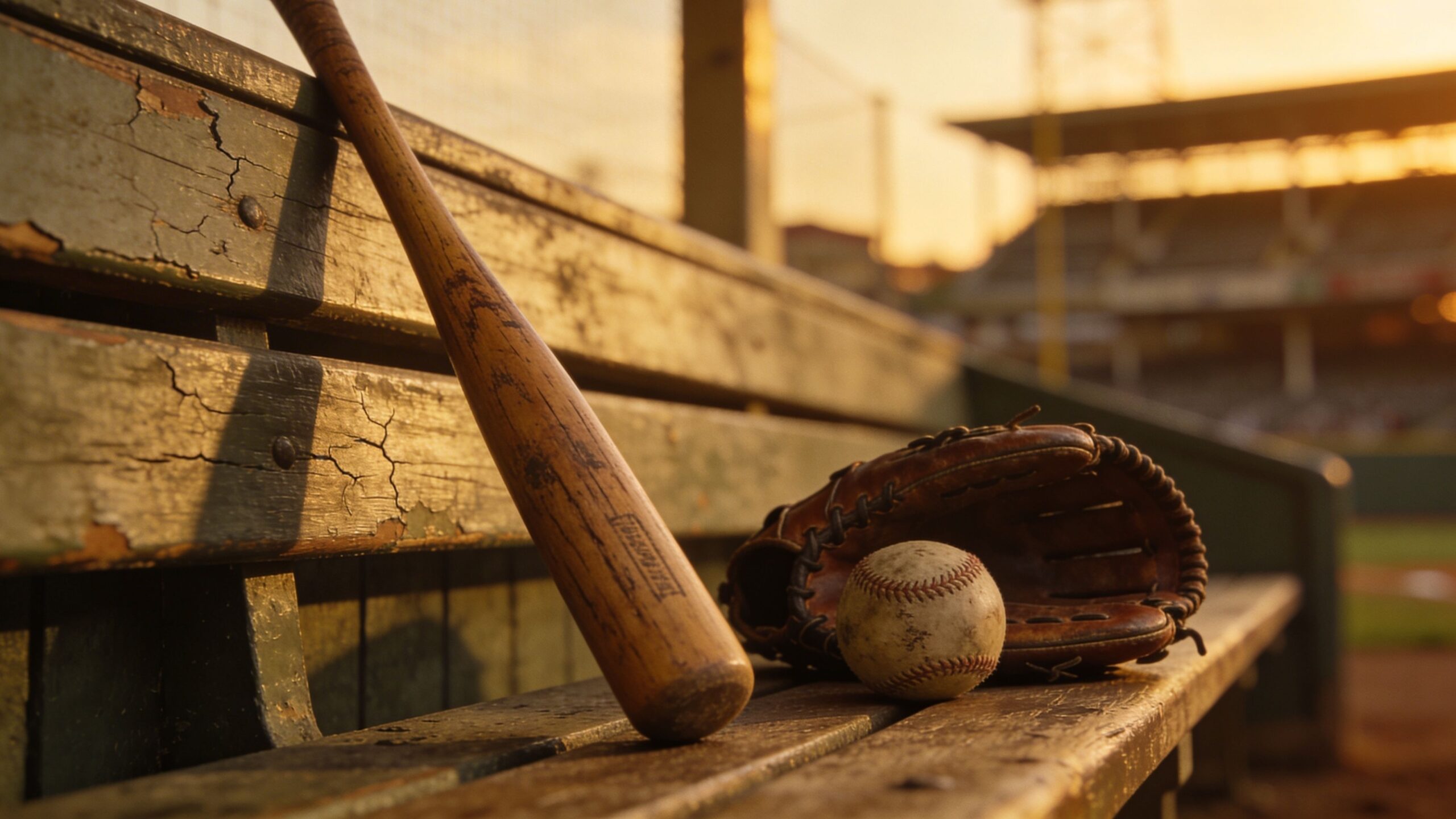
Over time, the bats Ruth selected became extensions of his personality at the plate. They absorbed the energy of thousands of swings and the impact of hundreds of home runs. Many of these bats eventually found their way into museums and collections, treasured not just as sports equipment but as historical artifacts. Each mark and scuff tells a story about the moment it helped create.
The Home Run Revolution
When Babe Ruth joined the New York Yankees in 1920, his bat helped ignite one of the most dramatic transformations in baseball history. That season, Ruth hit 54 home runs—more than entire teams managed during earlier eras. Fans flocked to stadiums to witness his towering blasts into the stands. The bat that powered those swings became a symbol of baseball’s new identity. Instead of quiet strategy and cautious offense, the sport now embraced spectacle and excitement. Ruth’s bat made the home run the centerpiece of the game. The crack of his swing became one of the most thrilling sounds in sports.
Sixty Home Runs and Immortality
Perhaps the most famous season associated with Babe Ruth’s bat came in 1927. That year, Ruth smashed 60 home runs, setting a record that stood for more than three decades. Each home run reinforced the legend surrounding his bat.
The Yankees lineup that year, famously known as Murderers’ Row, was filled with great hitters. Yet Ruth’s bat remained the centerpiece of the team’s offensive power. Fans watched in amazement as balls soared into the stands again and again. That season cemented Ruth’s reputation as baseball’s most powerful hitter and made his bat one of the most famous pieces of equipment in sports history.
The Psychology of the Perfect Swing
What made Babe Ruth’s bat so effective was not just its weight or wood type. It was the mindset behind the swing. Ruth approached each at-bat with fearless confidence. He was willing to swing hard and accept the possibility of failure because he knew the reward could be enormous. This fearless mentality influenced how he used his bat. Instead of adjusting his swing to avoid strikeouts, Ruth committed fully to his power approach. His bat became the physical expression of that confidence. Every swing carried the possibility of a dramatic moment that could ignite a crowd.
How Ruth’s Bat Changed the Game
The impact of Babe Ruth’s bat extended far beyond his own career. Other players began imitating his powerful swing style, shifting baseball away from the dead-ball era’s conservative strategies. Teams began searching for hitters capable of producing the same kind of long-distance power.
Ballparks themselves began evolving to accommodate the excitement of home run hitters. Fans demanded bigger moments and dramatic swings. In many ways, Ruth’s bat helped shape the modern identity of baseball. The home run became the sport’s ultimate thrill, and every slugger who followed carried a small piece of Ruth’s legacy.
The Mythology of Ruth’s Bat
As Ruth’s fame grew, so did the mythology surrounding his bat. Stories circulated about the specific bats he used in record-breaking games. Some bats became collectibles almost instantly, cherished by fans who wanted a tangible connection to baseball history. Even today, some of Ruth’s game-used bats command enormous value in auctions and museum exhibits. Collectors and historians study them carefully, examining grain patterns, weight distribution, and wear marks. Each bat offers a physical connection to the era when Babe Ruth transformed the sport.
The Sound That Defined an Era
One of the most memorable aspects of Babe Ruth’s bat was the sound it produced. When Ruth connected with a baseball, the crack of the bat echoed across stadiums and city streets beyond the ballpark. That sound became synonymous with excitement.
Fans in the stands often knew instantly when Ruth had hit the ball well. The unique resonance of wood striking leather seemed to announce that something special had happened. The sound of Ruth’s bat became part of baseball folklore, forever tied to the rise of the home run era.
The Bat as a Symbol of Baseball Greatness
Today, Babe Ruth’s bat stands as a powerful symbol of baseball greatness. It represents a moment in history when one player reshaped an entire sport through sheer charisma and power. The bat was not merely a tool; it was the instrument that allowed Ruth to express his extraordinary talent. Every generation of baseball players still feels the influence of Ruth’s approach. Modern sluggers chase home run records and thrilling moments in the same spirit that defined Ruth’s era. The bat that once launched baseballs into the stands now exists as a reminder that greatness often begins with a single swing.
The Legacy of the Sultan of Swat
Babe Ruth’s legendary bat remains one of the most recognizable symbols in the history of sports. It represents courage, confidence, and the thrill of possibility every time a hitter steps into the batter’s box. Through the crack of that bat, Ruth captured the imagination of millions and elevated baseball to new heights.
Even decades after his final game, the legend of Babe Ruth continues to grow. Fans still picture the towering home runs, the roaring crowds, and the unforgettable swing that defined a generation. At the center of those memories stands the bat itself—a simple piece of wood that helped change the game forever.