A Swing That Became Baseball Legend
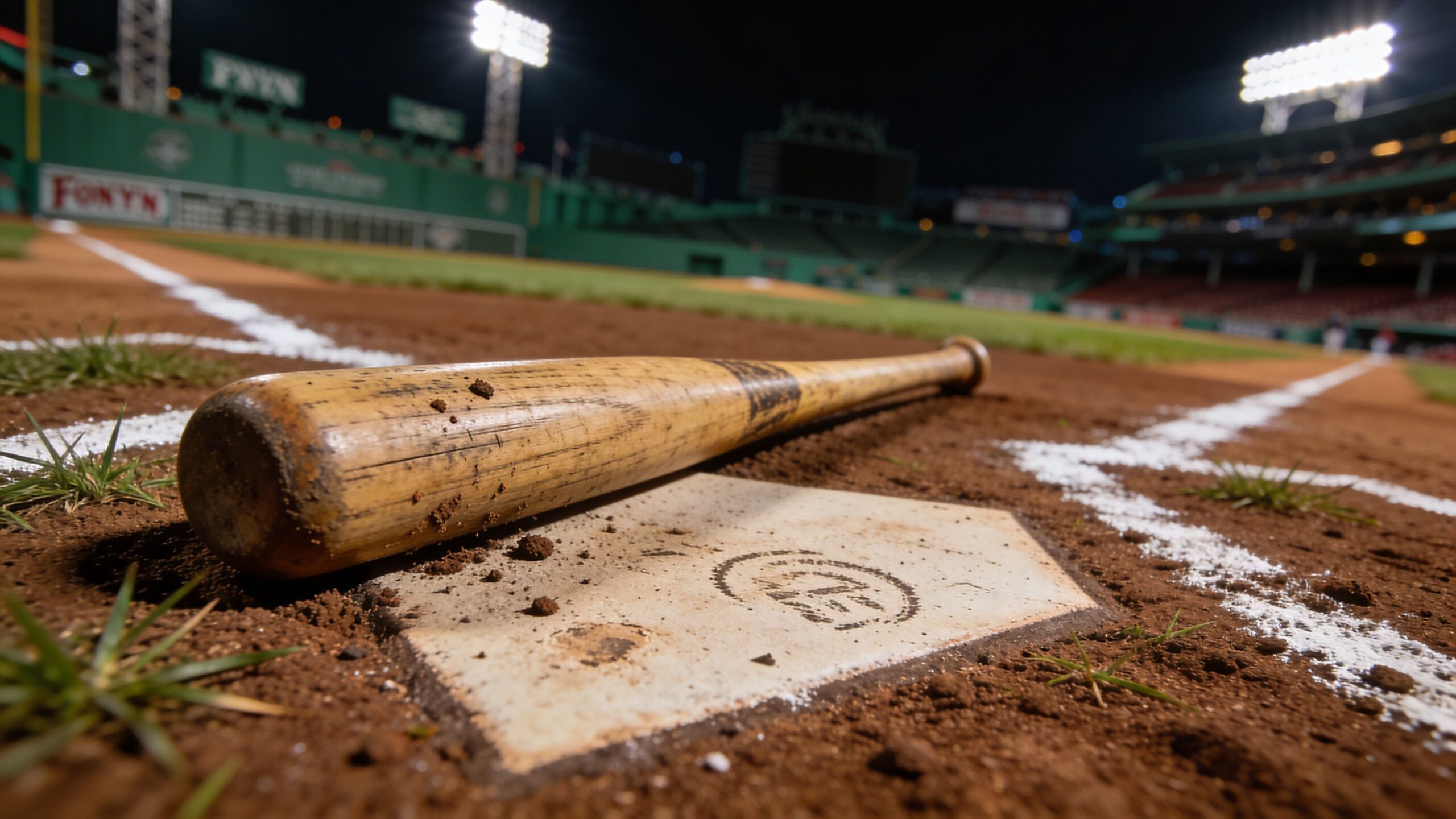
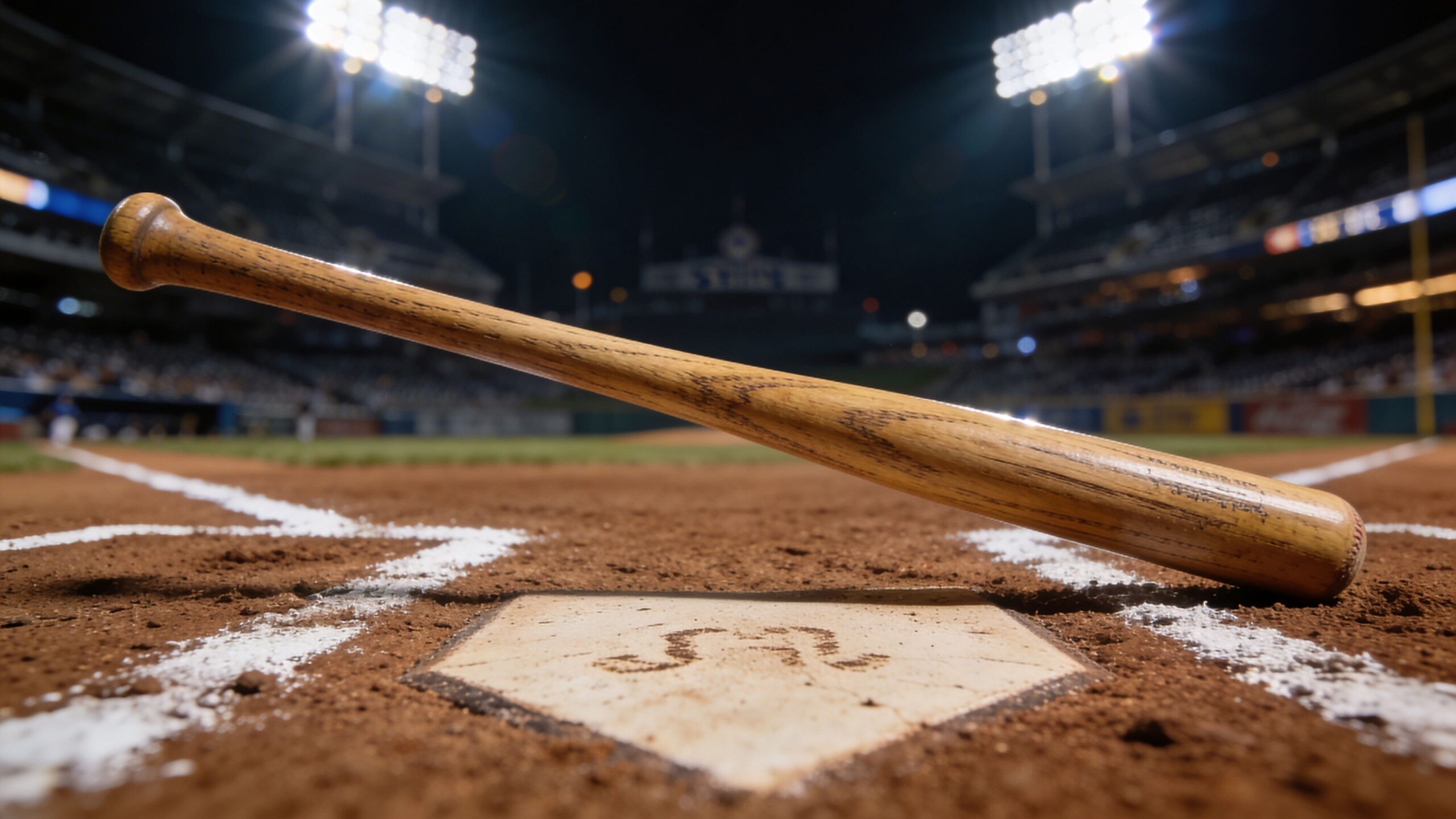
Few moments in baseball history capture the drama and emotion of the postseason quite like Derek Jeter’s walk-off home run in Game 4 of the 2001 World Series. On a night already heavy with tension and meaning, Jeter stepped into the batter’s box at Yankee Stadium and delivered a swing that instantly became part of baseball folklore. The bat he held in his hands launched a baseball deep into the New York night just after midnight, sealing a dramatic victory for the New York Yankees and earning Jeter the unforgettable nickname “Mr. November.” In that instant, the bat transformed from a simple piece of equipment into one of the most iconic artifacts of modern baseball.
A: It was the bat he used to hit the dramatic Game 4 walk-off homer that earned him the nickname “Mr. November.”
A: His game-winning home run happened just after midnight, making it a November World Series moment instead of an October one.
A: The Arizona Diamondbacks.
A: Arizona reliever Byung-Hyun Kim.
A: Game 4 of the 2001 World Series.
A: No, the Diamondbacks won the series in seven games.
A: It combined World Series drama, New York emotion, and one of the most clutch swings of Jeter’s career.
A: He was known for line-drive contact, opposite-field skill, and calm performance under pressure.
A: Yes, it is one of the defining swings of his entire career.
A: Because it is directly tied to one of the most iconic and emotional walk-off home runs in World Series history.
Baseball in a Time of Emotion
The 2001 season carried emotional weight far beyond the game itself. After the tragic events of September 11, the nation searched for moments of unity and hope. When Major League Baseball resumed play, the sport became a place where fans could gather and feel a sense of normalcy again.
For the New York Yankees, representing a city that had endured unimaginable loss, every game carried symbolic importance. Their postseason run felt like more than a championship pursuit. It became a rallying point for a community determined to heal and move forward.
The Yankees Dynasty Faces a New Challenge
By the time the Yankees reached the 2001 World Series, they had already established themselves as the dominant team of the era. New York had won the previous three championships and was attempting to secure a fourth consecutive title, something rarely seen in modern baseball. Standing in their way were the Arizona Diamondbacks, a young franchise built around elite pitching and fearless confidence. Led by Randy Johnson and Curt Schilling, Arizona’s roster was powerful enough to challenge even the Yankees’ championship pedigree.
Early Trouble in the Series
The World Series began in Arizona, and the Diamondbacks quickly seized the early advantage. Their pitching proved dominant as they captured the first two games, placing immediate pressure on the Yankees as the series moved to New York.
Facing a potential series collapse, the Yankees knew they needed to respond quickly. Game 3 at Yankee Stadium delivered exactly that, as New York fought back to claim a crucial victory and regain momentum. But Game 4 would become something far more memorable.
A Game That Would Not End
Game 4 unfolded as a tense and dramatic contest that stretched deeper into the night with every inning. The Diamondbacks carried a late lead, threatening to push the Yankees to the brink of elimination in the series. Then, in the ninth inning, Tino Martinez launched a dramatic game-tying home run that electrified Yankee Stadium. The stadium erupted as hope surged back into the Bronx, and the game continued into extra innings with the crowd buzzing with anticipation.
When October Turned Into November
As the extra innings continued, the clock quietly ticked past midnight. For the first time in history, a World Series game had crossed into the month of November.
The detail seemed small at first, but it would soon become the defining element of the night. Baseball’s traditional October stage had shifted into a new month, setting the scene for a moment unlike any other in postseason history.
Derek Jeter Steps to the Plate
When Derek Jeter walked to the plate in the bottom of the tenth inning, the energy in the stadium was electric. Fans understood that they were witnessing a rare moment when the tension of a World Series game collided with the possibility of sudden victory. Jeter had already built a reputation as one of the most reliable postseason performers in baseball. Calm, focused, and confident, the Yankees captain seemed perfectly suited for moments when the entire season rested on a single swing.
The Bat in Jeter’s Hands
The bat Jeter used during that at-bat was a traditional wooden model crafted from ash, shaped to match his preferred balance and swing mechanics. Known for his smooth inside-out swing, Jeter favored bats that allowed him to drive the ball with precision rather than pure brute force.
What made this bat legendary was not its design or craftsmanship. It was the swing it produced in the most dramatic moment imaginable.
The Pitch That Changed the Night
Arizona pitcher Byung-Hyun Kim delivered the pitch, and Jeter responded instantly. His swing was quick and fluid, the result of years of disciplined hitting and confidence in pressure situations. The baseball jumped off the bat and soared toward the right-field stands. For a brief moment, the stadium held its breath as the ball traveled through the cool autumn air. Then it cleared the wall.
The Birth of “Mr. November”
The instant the ball landed in the seats, Yankee Stadium exploded in celebration. Jeter rounded the bases calmly while teammates poured out of the dugout, waiting to greet him at home plate.
Because the moment occurred just after midnight, broadcasters quickly coined the nickname that would define the swing: Mr. November. The phrase captured both the timing of the home run and Jeter’s remarkable ability to deliver when the pressure was highest.
A Moment Bigger Than Baseball
Jeter’s home run represented more than a dramatic sports highlight. For many fans watching across the country, the moment symbolized resilience and shared joy during a difficult time. Baseball has always been capable of producing moments that transcend the game itself, and this was one of them. The swing gave a city reason to celebrate and reminded fans everywhere why the sport holds such a special place in American culture.
The Bat Becomes an Artifact
After the game, the bat used in Jeter’s historic swing immediately became a treasured piece of baseball history. Game-used equipment tied to legendary moments often becomes highly valuable memorabilia.
For collectors and historians, the bat represents a tangible connection to that unforgettable night. It serves as a physical reminder of the instant when a swing of wood and leather changed the outcome of a World Series game.
Derek Jeter’s Legacy of Clutch Moments
Jeter’s career included countless postseason highlights, but the “Mr. November” home run stands among his most iconic achievements. Throughout his time with the Yankees, he built a reputation as a player who seemed to thrive when the pressure was greatest. Whether it was a game-winning hit, a spectacular defensive play, or a leadership moment in the clubhouse, Jeter repeatedly proved that he belonged on baseball’s biggest stage.
The Yankees’ October Identity
The Yankees dynasty of the late 1990s and early 2000s was built on a culture of confidence and composure in high-pressure situations. Players throughout the roster embraced the expectation that the postseason belonged to them.
Jeter embodied that mindset better than anyone. His calm presence, disciplined approach, and willingness to embrace big moments made him the perfect captain for a team chasing championships.
The Enduring Memory of Game 4
Although the Diamondbacks ultimately won the 2001 World Series in a dramatic Game 7, Jeter’s walk-off home run remains one of the most celebrated moments of the entire series. Fans still revisit the highlight regularly, watching the ball sail into the stands and hearing the roar of Yankee Stadium as the clock passes midnight.
Why the Bat Still Matters
More than two decades later, Derek Jeter’s “Mr. November” bat remains one of the most meaningful artifacts of modern baseball history. It represents the intersection of skill, timing, and emotion that makes the sport so captivating.
The bat reminds fans that baseball’s greatest moments often arrive in unexpected ways, sometimes just after midnight when the game crosses into a new day.
A Swing That Will Never Fade
In the end, the legend of Derek Jeter’s walk-off home run continues to grow with every passing year. The bat that launched that ball into the New York night stands as a symbol of postseason drama and baseball excellence. Whenever fans talk about the greatest moments in World Series history, the name Mr. November inevitably enters the conversation. And with it comes the image of a perfectly timed swing that turned a late-night baseball game into an unforgettable chapter of sports history.