The High Stakes of Authenticity in Memorabilia Collecting
Memorabilia collecting is more than a hobby—it’s a world where passion meets history and, often, significant financial investment. From signed sports jerseys to rare movie props, authentic items carry stories that connect collectors to iconic moments. However, the booming demand for collectibles has also created a thriving market for counterfeits, making authenticity one of the most important skills any collector can develop. For beginners, the challenge can feel overwhelming. With sophisticated forgeries and convincing replicas circulating widely, distinguishing real memorabilia from fakes requires both knowledge and attention to detail. The good news is that by understanding a few core principles and adopting a careful approach, anyone can learn to navigate the market confidently and avoid costly mistakes.
A: Not always—verify the issuer and supporting evidence.
A: Use reputable sellers and third-party authentication.
A: Typically no, unless clearly marketed as limited collectibles.
A: Study authentic examples and compare closely.
A: Not necessarily, but research items thoroughly first.
A: They help, but physical inspection is best.
A: The documented history of an item.
A: Use proper storage and insurance if needed.
A: Some include blockchain verification.
A: It varies by service and item complexity.
Understanding What Makes Memorabilia Valuable
Before diving into authentication techniques, it’s essential to understand why memorabilia holds value in the first place. Authenticity is the foundation, but other factors such as rarity, condition, provenance, and cultural significance also play critical roles. A signed baseball from a legendary player is valuable not just because of the signature, but because of the story and context behind it.
Collectors often seek items tied to specific moments or milestones, such as championship games, historic performances, or iconic film scenes. When these items are verified as genuine, their value can increase dramatically. Conversely, even the most visually impressive piece loses nearly all its worth if it’s proven to be fake. This is why authentication isn’t just a technical process—it’s the backbone of the entire collectibles market.
The Role of Certificates of Authenticity (COAs)
One of the first things beginners encounter when buying memorabilia is the Certificate of Authenticity, commonly known as a COA. This document is meant to verify that an item is genuine, often issued by a dealer, manufacturer, or third-party authentication service. While a COA can be helpful, it’s important to understand that not all certificates are created equal. A reputable COA typically includes detailed information about the item, the authentication process, and the issuing authority. It may also feature unique serial numbers, holograms, or tamper-proof elements. However, counterfeiters have become adept at producing fake certificates, so a COA should never be the sole basis for trust. Instead, it should be considered one piece of a larger verification puzzle.
Third-Party Authentication Services
For serious collectors, third-party authentication services are often the gold standard. These independent organizations specialize in verifying signatures, materials, and historical accuracy. They use advanced techniques such as handwriting analysis, ultraviolet light examination, and database comparisons to confirm authenticity.
Trusted authentication companies build their reputation on accuracy and consistency, which is why their certifications carry significant weight in the market. Items verified by these services often command higher prices because buyers feel more confident in their legitimacy. For beginners, seeking out items authenticated by reputable third parties is one of the safest ways to start collecting.
Examining Signatures and Autographs
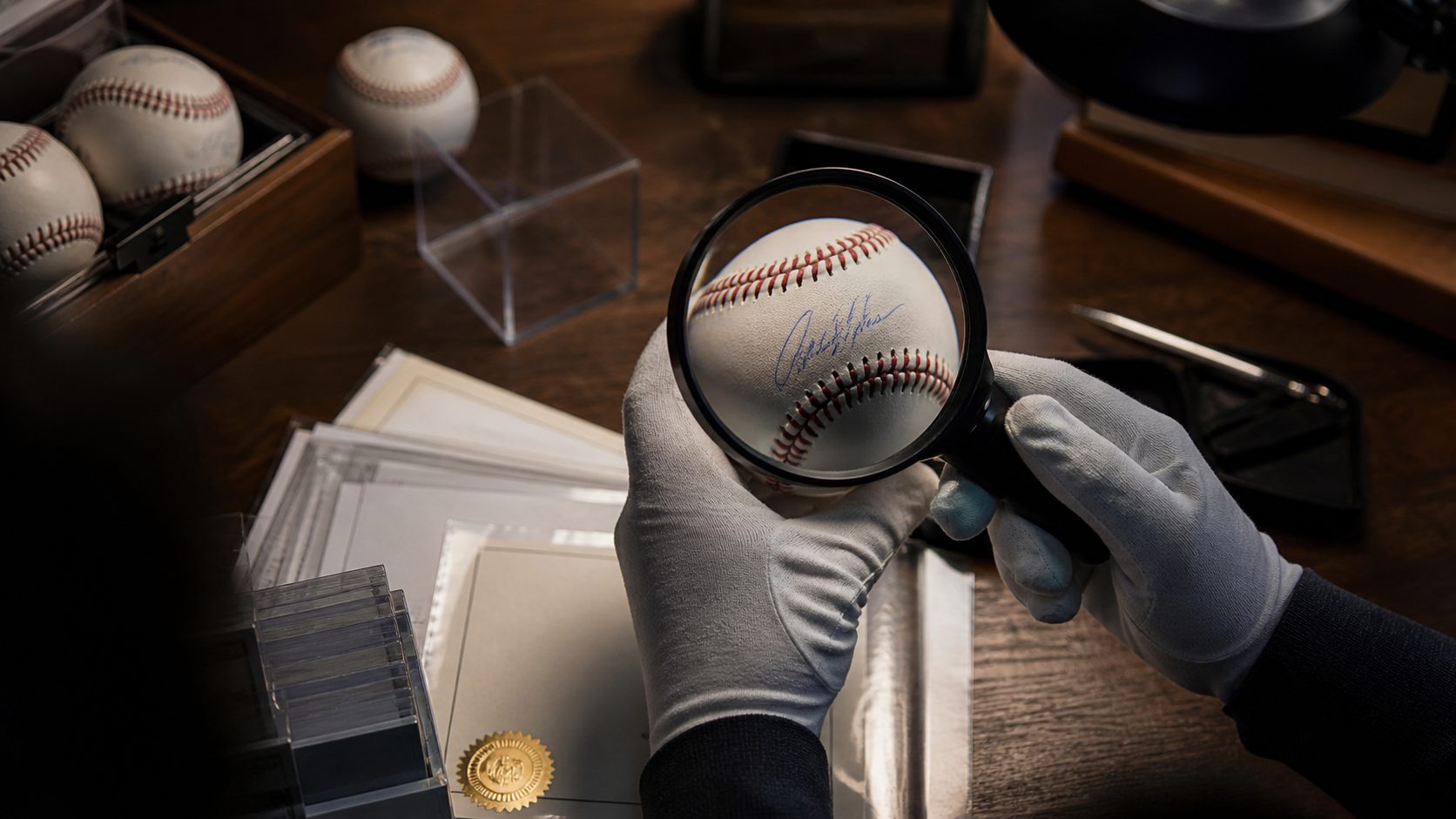
Autographs are among the most popular forms of memorabilia, but they are also one of the most commonly forged. Learning to evaluate signatures is a crucial skill. Authentic autographs often show natural variation in pressure, flow, and style, reflecting the unique movement of a person’s hand. In contrast, forged signatures may appear too consistent, overly smooth, or hesitant in certain areas. Comparing the autograph to verified examples is one of the most effective methods for spotting inconsistencies. Over time, collectors develop an eye for subtle differences, allowing them to identify red flags more quickly and confidently.
Materials, Aging, and Physical Details
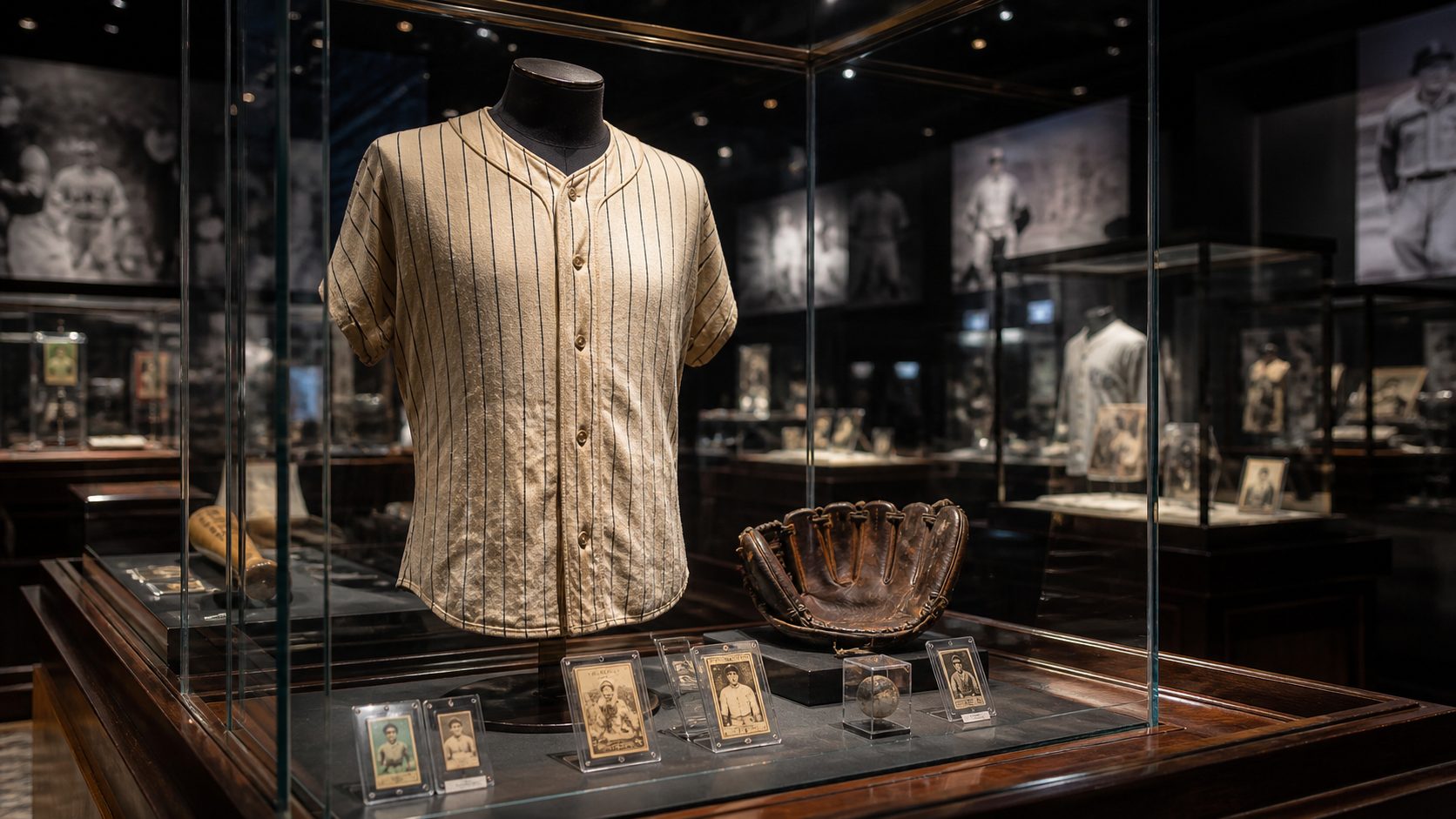
Authentic memorabilia often carries physical clues that are difficult to replicate. Materials, stitching, wear patterns, and even scent can provide valuable insights into an item’s history. For example, a vintage jersey should show signs of natural aging consistent with its era, rather than artificial distressing.
Examining these details requires patience and a willingness to look closely. High-quality replicas may mimic the appearance of older items, but they often fall short when scrutinized at a deeper level. Understanding how materials age and how manufacturing techniques have evolved can give collectors a significant advantage when evaluating authenticity.
Provenance and Item History
Provenance refers to the documented history of an item, including its origin and ownership over time. Strong provenance can significantly enhance an item’s credibility and value. For example, memorabilia accompanied by photographs, receipts, or records linking it to a specific event or individual is far more trustworthy. While not all items come with detailed provenance, those that do are generally considered safer investments. Collectors should always ask about an item’s history and look for consistent, verifiable details. A clear and well-documented background can often be the difference between a confident purchase and a risky gamble.
Common Red Flags to Watch For
Even beginners can learn to spot warning signs that suggest an item may not be authentic. Prices that seem too good to be true are often a major red flag, as genuine memorabilia rarely sells far below market value. Sellers who are unwilling to provide additional photos or information should also raise concerns.
Other warning signs include vague descriptions, inconsistent details, and lack of reputable authentication. Trusting your instincts is important—if something feels off, it’s worth taking a step back and conducting further research. In the world of collectibles, caution is always better than regret.
The Importance of Reputable Sellers
Where you buy memorabilia is just as important as what you buy. Reputable dealers, auction houses, and established marketplaces are more likely to offer authentic items and stand behind their products. These sellers often have long-standing relationships with authentication services and provide guarantees that protect buyers. Building relationships with trusted sellers can also open doors to better opportunities and insider knowledge. Over time, collectors who prioritize reliability over quick deals tend to build stronger, more valuable collections. It’s not just about finding great items—it’s about finding them from sources you can trust.
Learning from the Community
The memorabilia community is a valuable resource for beginners. Forums, collector groups, and conventions provide opportunities to learn from experienced enthusiasts who have spent years honing their skills. These communities often share insights, discuss trends, and help identify questionable items.
Engaging with other collectors can accelerate your learning curve and provide real-world perspectives that go beyond guides and articles. By asking questions and participating in discussions, beginners can gain confidence and develop a deeper understanding of the market.
Technology and Modern Authentication Tools
Advancements in technology have transformed the authentication process. High-resolution imaging, blockchain tracking, and digital databases are making it easier to verify items and track their history. Some collectibles now come with digital records that provide transparent proof of authenticity. While technology has improved verification methods, it has also enabled more sophisticated counterfeits. This ongoing evolution means collectors must stay informed and adapt their strategies. Embracing new tools while maintaining traditional evaluation skills is the best approach for navigating the modern market.
Building Confidence as a Collector
Authenticating memorabilia is a skill that develops over time. Beginners should start with smaller purchases, focusing on learning rather than immediate profit. Each experience, whether successful or not, contributes to a deeper understanding of the market.
Confidence comes from knowledge, practice, and a willingness to ask questions. By taking a thoughtful and informed approach, collectors can avoid common pitfalls and build collections they are proud of. The journey may have challenges, but it’s also filled with excitement and discovery.
Final Thoughts: Trust, Patience, and Passion
At its core, memorabilia collecting is about connection—connecting with history, culture, and the moments that inspire us. Authenticity ensures that these connections are real and meaningful. While the risks of counterfeits are real, they can be managed with the right knowledge and approach. Patience is one of the most valuable traits a collector can have. Taking the time to research, verify, and understand each item leads to better decisions and more rewarding experiences. With trust in your process and passion for the journey, you can confidently explore the world of memorabilia and build a collection that truly stands the test of time.